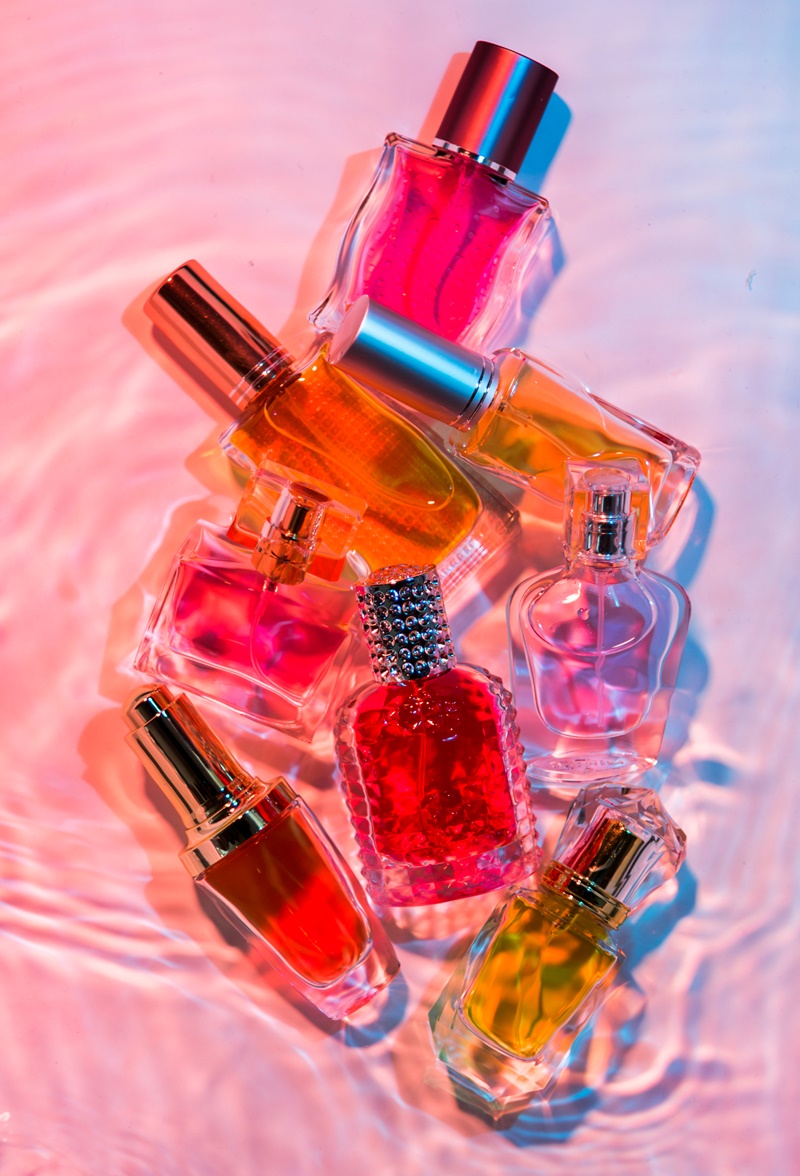
PERFUME has long been a symbol of allure and sophistication, captivating both men and women with its enchanting aromas. It is not merely about smelling pleasant; perfume amplifies our personality and can even influence how others perceive us. Research shows that no two individuals share the same natural scent, meaning that perfumes interact uniquely with each person’s body chemistry.
Preferences in perfume strength vary widely. Some people are drawn to bold, potent fragrances, while others prefer a lighter, more delicate touch. Today’s perfume industry caters to this diversity, offering everything from luxury designer creations to affordable yet high-quality selections. While ingredients and brand reputation often dictate a perfume’s price, there are many budget-friendly options that do not compromise on quality.
Selecting your signature scent
Choosing the right perfume can be a daunting task given the vast array of options available. A well-chosen scent can leave a lasting impression and draw people towards you, whereas an ill-suited fragrance may have the opposite effect. It is crucial to select a perfume that harmonises with your skin type and natural scent.
When testing perfumes, apply them directly to your skin rather than on clothing or paper strips. This allows you to experience how the fragrance interacts with your body’s unique chemistry. Limit yourself to testing no more than three scents in o
ne session to avoid olfactory fatigue, which can make it difficult to distinguish between different fragrances.
Before committing to a purchase, wear a sample of the perfume for an entire day. This trial period will reveal how the scent evolves on your skin, how long it lasts, and whether it triggers any adverse reactions such as allergies or headaches.
Perfume application etiquette
Storing your scent
Do: Store your perfume in a cool, dry place away from direct sunlight and extreme temperatures to preserve its fragrance.
Don’t: Leave perfume bottles open for extended periods, as exposure to air will cause the scent to deteriorate over time.
Applying your fragrance
Do: Apply perfume after showering, when your pores are open and can absorb the scent more effectively.
Don’t: Overspray. A little goes a long way, and over-application can be overwhelming to others.
Do: Apply a little extra if you have dry skin, as it tends to absorb and dissipate scent more quickly.
Don’t: Apply perfume directly to fabrics or furs, as it may cause staining.
Seasonal scent selection
Do: Consider switching your perfume with the seasons. Opt for richer, stronger scents in winter when the cold can mute fragrances, and lighter, fresher ones in summer.
Don’t: Apply perfume behind your ears, as it can mix with natural secretions and create an unpleasant odour.
Ideal perfume points
Apply perfume to pulse points where your body’s warmth helps to diffuse and enhance the fragrance:
Wrists
Inside of elbows
Neck
Back of knees
Perfume is a subtle art that, when mastered, can enhance your presence and leave a memorable impression. By understanding the dos and don’ts of perfume application and storage, you can ensure that your chosen fragrance remains a delightful extension of your personality.