DEAR leaders, let us envision a world where leaders do not embody professionalism. Picture those whose decisions are driven by personal gain rather than the common good. Imagine a boardroom consumed by conflict, where impulse takes precedence over strategic planning, and intuition supersedes data.
This scenario is not merely a dystopian dream; it has been the reality for many organisations and governments globally. The absence of professionalism in leadership fosters chaos, distrust and inefficiency – qualities that no productive society can afford.
The consequences of unprofessional leadership are profound and far-reaching. Consider a corporate environment where leaders prioritise office politics over transparency and accountability. Morale declines, turnover rates rise, and profits dwindle as employees disengage from their work. In political spheres, the ramifications are even more severe.
When leaders fail to act professionally, the public loses confidence in institutions, leading to societal instability. It is not just a theoretical concept; the repercussions of poor leadership decisions resonate throughout our communities.
As Mahatma Gandhi once said, “The best way to find yourself is to lose yourself in the service of others.”
Leadership is fundamentally about service, and professionalism is a key component of this service. It encompasses qualities such as integrity, competence, respect and accountability.
Professionalism ensures that leaders fulfil their responsibilities and maintain the trust of those they lead.
To further illustrate professionalism, consider how professionals conduct themselves in a corporate setting. They arrive on time, prepare for meetings, actively listen to others, and maintain decorum regardless of the situation. Their communication is clear, respectful and geared towards fostering collaboration.
Imagine a project manager who, instead of assigning blame when a deadline is missed, seeks solutions and encourages his/her team to learn from the experience. This not only enhances the work environment but also promotes growth and innovation.
Professionalism is crucial in leadership for several reasons. Firstly, it establishes credibility and trust. When leaders adhere to professional ethics and standards, they create an environment of reliability and dependability.
Secondly, it cultivates a positive culture within organisations. Professional leaders set the tone for behaviour, encouraging others to act with integrity and respect.
Lastly, professionalism enhances decision-making. Ethically grounded leaders are more likely to consider the impact of their choices on stakeholders, leading to more sustainable outcomes.
One significant example of professionalism in leadership was demonstrated during the COVID-19 pandemic by New Zealand’s Prime Minister, Jacinda Ardern. She exemplified professionalism through transparent communication, empathy and decisive action. Her leadership not only contained the virus but also boosted national morale.
In contrast, consider the leadership style of countries that downplayed the virus’ severity or disseminated misleading information, resulting in higher infection rates and loss of public trust.
The difference between these leadership approaches underscores the undeniable link between professionalism and effective governance.
For instance, in facing unprecedented challenges, Arne Sorenson, the late CEO of Marriott International, openly shared the company’s struggles and plans, strengthening employee trust – the cornerstone of leadership.
Take, for example, Howard Schultz, the former CEO of Starbucks, and Indra Nooyi, the former CEO of PepsiCo. Both epitomise professionalism through their leadership styles.
Schultz transformed Starbucks into a global coffeehouse chain while upholding a commitment to ethical sourcing and corporate responsibility. His professional approach not only built a strong brand but also fostered a robust community of valued and motivated employees.
Nooyi expertly guided PepsiCo through a remarkable transformation by emphasising health and sustainability. Her dedication to ethical leadership enabled her organisation to thrive economically and socially.
The importance of professionalism in leadership is quantifiable. According to a survey by the Centre for Creative Leadership, organisations led by professionals adhering to ethical standards experience 32 per cent more employee engagement compared to those disregarding such principles.
Furthermore, a 2017 Gallup report found that organisations with strong leadership based on professionalism and integrity outperform competitors by nearly 20 per cent in productivity and profitability.
These statistics underscore a compelling reality: professionalism is not merely an ideal but an essential strategy for sustainable success. Statistics support the significance of professionalism in leadership.
In a survey by the Centre for Creative Leadership, 58 per cent of respondents indicated that a lack of professionalism in their leaders led to decreased employee engagement and turnover. The impact on performance is tangible: organisations with high levels of trust tend to outperform competitors by up to 500 per cent.
These figures highlight a significant correlation between professional leadership and organisational success.
How can leaders embody professionalism? Here are three key strategies:
1. Embrace Transparency:
Leaders should openly communicate company objectives, challenges and successes. This transparency fosters trust and cultivates a culture of honesty.
2. Model Ethical Behaviour:
Leaders must exemplify the standards they expect from others. By demonstrating integrity, leaders are more likely to see that behaviour mirrored in their teams. Actions speak louder than words, and professional leaders lead by example.
3. Cultivate Emotional Intelligence:
Understanding and managing emotions, both one’s own and others’, is crucial in leadership. By being attuned to the feelings and needs of their teams, leaders can navigate conflicts and inspire collaboration.
Dear leaders, let us remember that our hope for the world is nurtured by individuals who choose professionalism not only in the workplace but also in their personal lives. Individual professionalism begins with oneself and permeates every aspect of our relationships.
Be a professional individual, a professional son or daughter and a professional partner. By committing to embodying professionalism in our daily lives, we pave the way for leaders to embrace the same values.
As we navigate this philosophical landscape of professionalism, let us remember our broader human duties. We are not mere participants in our organisations; we are stewards of our communities and guardians of our shared values. The way we lead, whether in our homes or workplaces, reflects our dedication to a more ethical, responsible world.
In the spirit of our exploration, we leave you with this powerful quote by former U.S. President Barack Obama: “Change will not come if we wait for some other person or some other time. We are the ones we’ve been waiting for. We are the change that we seek.”
Let us embrace the responsibility of leading professionally, nurturing a legacy of leadership characterised by integrity, accountability and an unwavering pursuit of excellence. Only then can we collectively aspire to a future guided by professional individuals dedicated to serving the greater good.
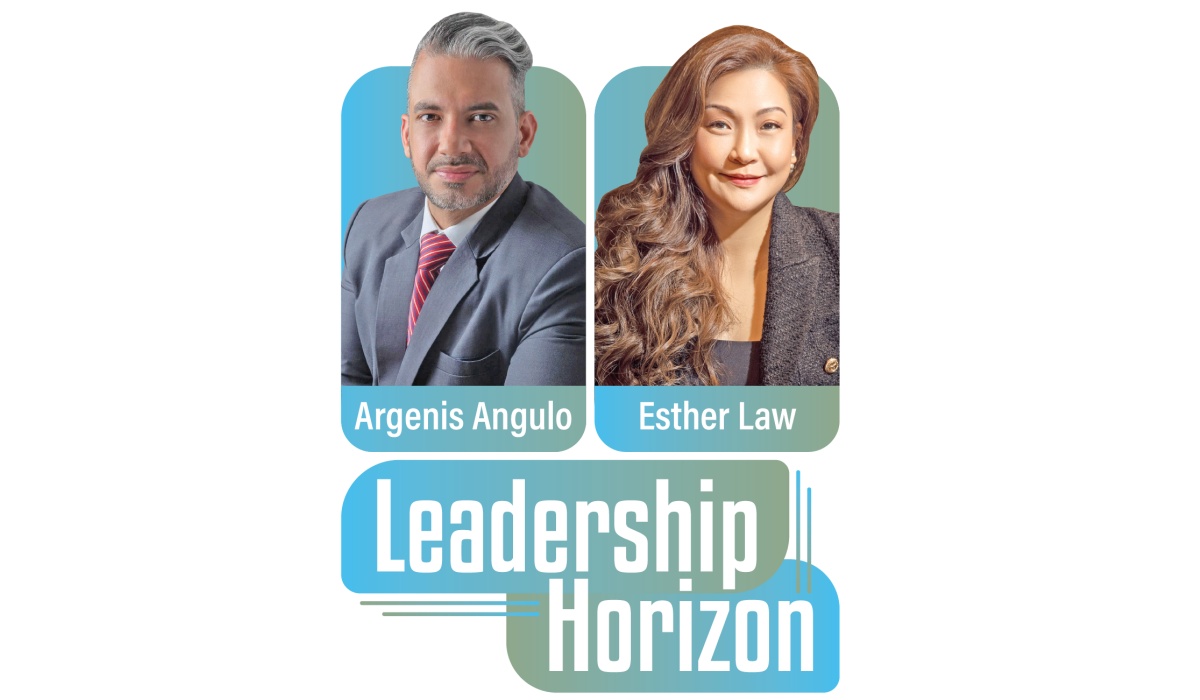
The views expressed here are those of the writers and do not necessarily represent the views of Sarawak Tribune. The writers can be reached at argenisangulo@gmail.com and lawleepoh@gmail.com.