
GREETINGS, dear readers! It’s a joy to connect with you once again, and I hope this message finds you surrounded by warmth and inspiration.
Last week, we delved into the realm of Culinary Rituals for Nourishment, exploring how mindful eating can deepen our spiritual connections.
This week, I’d like to humbly share my discovery of a theme that has significantly impacted my own journey: gratitude.
Gratitude is both a cultivated habit and an embodied lens. At its core, gratitude shapes how we perceive the world.
Spiritually, it implores us to notice and revere life’s gifts – be they grand or minuscule – transforming mundane moments into something meaningful.
Scientifically, gratitude is a repeatable practice that significantly reshapes our attention, emotions, relationships, and even our physiological responses.
When we lean into gratitude, we begin training our brains to seek nourishment in our experiences, rewiring our inherent negativity bias, and reinforcing the bonds we have with those around us.
It’s a beautiful symbiotic dance between our inner flourishing and the outer act of noticing.
As the insightful author, Melody Beattie, once said, “Gratitude turns what we have into enough.”
This simple yet profound statement encapsulates the essence of gratitude: a practice that encourages us to view our lives through a lens of abundance rather than scarcity.
Research supporting the power of gratitude has surged over recent years. Robert Emmons, a leading figure in gratitude research, has demonstrated through controlled studies that maintaining a consistent gratitude journal or simply listing our blessings increases overall well-being, boosts life satisfaction, and decreases depressive symptoms.
Similarly, positive psychology interventions – like the ones introduced by Martin Seligman and his colleagues – have shown that simple gratitude exercises, such as writing “three good things” at the end of the day, can elevate our happiness levels and decrease feelings of depression for weeks, if not months.
Barbara Fredrickson’s ‘broaden-and-build’ theory complements this by asserting that positive emotions like gratitude can widen our cognitive lens, bolster durable resources, and foster resilience over time.
Reviews conducted by Wood, Froh, and Geraghty have illustrated how gratitude benefits sleep, promotes prosocial behaviour, and enhances relationship quality.
So how can we incorporate this powerful practice into our daily lives? Here are some simple but effective gratitude techniques that I’ve personally found impactful:
- Daily Rituals of Prayer and Holy Mass: For me, starting and ending my day with prayer and attending daily Mass act not just as a ritual but as a foundation for gratitude.
It allows me to reflect on the gift of today and all its blessings. Through rituals, I express and cultivate a profound sense of thankfulness while nurturing my spirit, inviting peace, and grounding me in the present moment, which is a true gift.
- Three-Sentence Morning (or Evening) Gratitude: Each morning, I dedicate just 2–5 minutes to jot down three specific things I am grateful for along with the reasons behind these feelings.
Instead of saying I’m grateful for “my family”, I’m more specific: “I’m thankful for my daughter and husband who light up my room and turn on the air conditioning before I sleep.”
By focusing on the specifics, I deepen my awareness and appreciation of my surroundings, transforming ordinary moments into extraordinary reflections.
- Embodied 1-Minute Gratitude: This is an incredibly refreshing micro-practice that I adore.
I simply pause, take three slow breaths, place my hand over my heart, and name one sensory detail that I appreciate – perhaps the warm tea in my cup, the colour of the flowers blooming outside, or the comforting sound of rain.
This practice tantalises my senses and roots me in the present, thanking our Lord for the Gift of Life!
- Gratitude Letters: Once a month, if not once a week, I sit down in the chapel or my study room to draft messages to someone who has made a positive impact on my life.
Whether I am able to deliver it or keep it as a personal ritual, the act of expressing my gratitude deepens my connections and reminds me of the relational beauty in our lives.
- Gratitude + Physiology: I’ve found enormous comfort in pairing gratitude exercises with diaphragmatic breathing.
After listing what I’m thankful for, I engage in 2-3 minutes of deep, slow breaths. This combination not only calms my nervous system, but it helps solidify those feelings of gratitude, inviting a sense of balance and peace into my life.
- Reverse Gratitude: In moments of distress or sadness, I challenge myself to identify one small resource I can rely on – a cherished memory, a comforting body sensation, or a devoted friend.
This technique subtly shifts my attention from the negativity permeating my thoughts to a steadier state of being.
Dear readers, framing gratitude as not just a habit, but as an interoceptive recalibration, is a fascinating concept.
It recognises that beyond basic cognition, gratitude serves as a lens through which we can update our brain’s baseline predictions about safety, value, and belonging using bodily signals.
When we express gratitude, we’re essentially enhancing the signals that communicate, “this moment is safe and beneficial,” effectively dampening circuits related to threats.
This gentle shift in perception allows dopamine and emotional systems to flourish, cultivating rewards and fostering connections.
Understanding gratitude from this angle may provide a pathway for personal growth and development, dovetailing contemplative practices with measurable physiological effects, including heart rate variability and breath patterns.
This could lead to personalised gratitude interventions, allowing us to capture the tangible benefits of these rituals in our everyday experiences.
As I conclude my reflections on gratitude, I invite you to ponder this: What if we lived in a world where gratitude became our primary lens through which we engage with life?
Imagine the profound shift in our communities, relationships, and even our personal well-being if every individual embraced gratitude as a regular practice.
Ultimately, gratitude is a timeless devotion interwoven with modern neuroscience. It serves as a potent tool for training our attention, mending relationships, and – when coupled with bodily awareness – can recalibrate how we discern safety and value in the world around us.
In my journey, I have realised that, “Gratitude is the soft altar we build in the body – a place where everyday moments become sacrament.”
Let us hope for a world where gratitude lights our paths – a world more peaceful, connected, and alive.
As you integrate gratitude into daily routines, be gentle and patient with yourself.
Start small (three things a day, a weekly or monthly gratitude letter or message, an evening reflection), notice the changes, and adapt practices that fit your personality and schedule.
Over time, you’ll likely find gratitude not just as a technique but as a steadying lens through which spiritual insight and emotional balance emerge.
I look forward to continuing this journey with you as we explore Community Connection and Spiritual Fulfilment next.
Engaging with like-minded individuals – through groups, shared rituals, service, or simple conversations – can amplify gratitude’s effects by providing support, accountability, new perspectives, and opportunities for collective meaning-making.
Together, we will examine how community deepens spiritual life and bolsters mental well-being, and how to weave both personal practice and social connection into a sustainable, nourishing path.
As we go forth, I leave you with a final reflection: “Gratitude is the lens through which we can see the tapestry of our lives woven from moments of grace.”
The possibilities are endless, and the benefits abundant. Thank you for joining me in this journey of discovery and rediscovery – may your days be filled with gratitude.
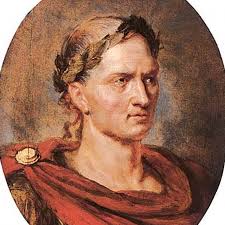
“Gratitude is not only the greatest of virtues, but the parent of all the others.” – Cicero (106 BCE to 43 BCE), a Roman statesman, orator, lawyer, and philosopher. He is one of the most significant figures in Roman history, particularly known for his contributions to philosophy, rhetoric, and politics.
—————————————————–
DISCLAIMER:
The views expressed here are those of the writer and do not necessarily represent the views of Sarawak Tribune. The writer can be reached at lawleepoh@gmail.com.