Every year on July 26, the world comes together to mark World Mangrove Day – a moment to recognise one of nature’s most overlooked ecosystems. Often dismissed as swampy or expendable, mangrove forests are, in fact, silent heroes along our coastlines – offering powerful protection against climate change, nurturing marine life, and sustaining communities. As the climate crisis deepens, the need to protect these rich and resilient wetlands has never been more urgent.
Preserving mangroves, empowering communities

Blessed by vast natural resources, Sarawak is home to sprawling mangrove forests that not only protect its coastlines but also nurture biodiversity, sustain livelihoods, and act as natural buffers against climate change.
Thus, mangrove forests are of significant ecological importance. Each year, on July 26, UNESCO celebrates World Mangrove Day to raise awareness about the crucial mangrove ecosystem.
This year, the celebration is themed ‘Protect the Wetland for Our Future’, according to the Global Mangrove Alliance. The theme aims to highlight protecting the future, with mangroves being at the heart of nature-based solutions.
“Mangroves are a critical coastal wetland, as they are among the most effective ecosystems for both carbon storage and sequestration,” a statement by the organisation said.
Serving with a purpose
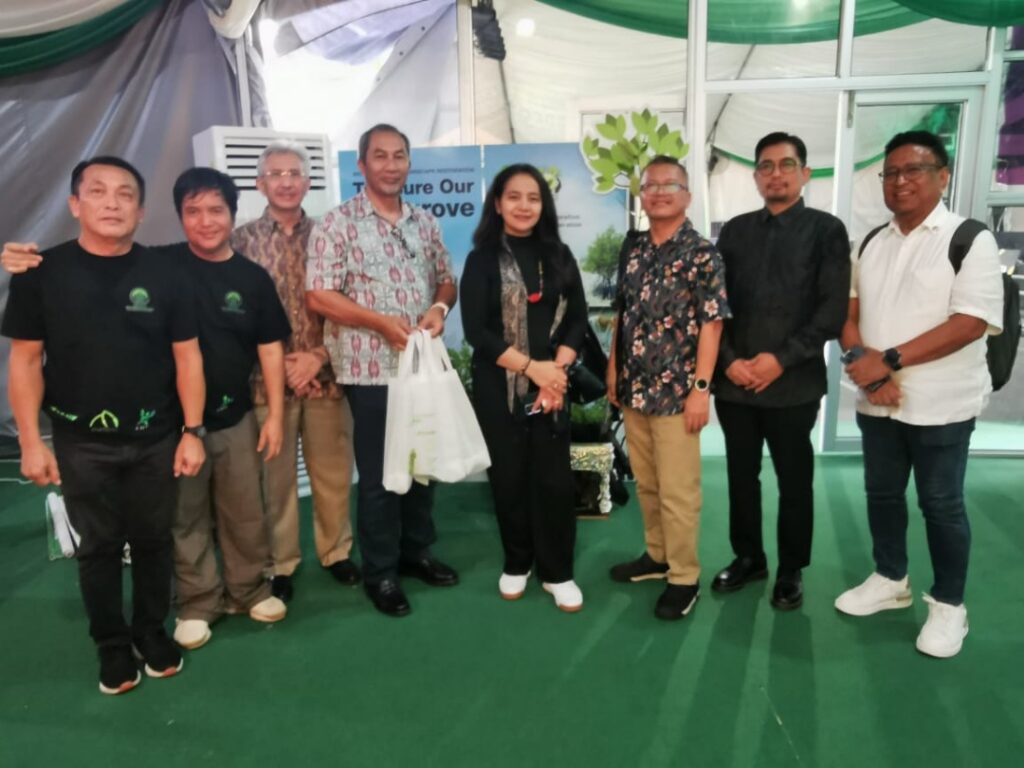
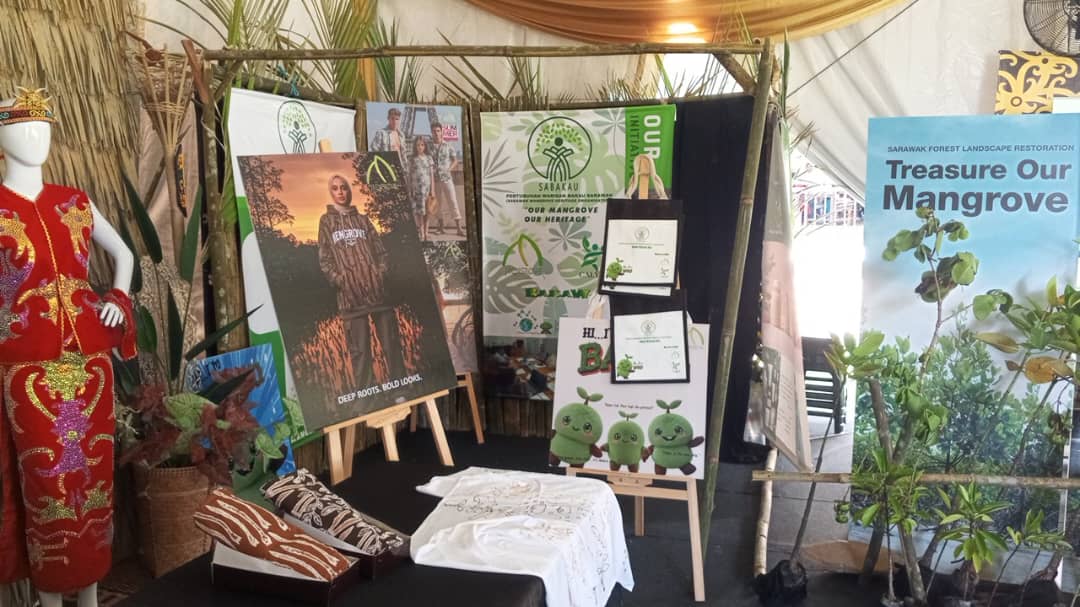
For the Sarawak Mangrove Heritage Organisation (Sabakau), the commitment to safeguarding mangrove ecosystems goes beyond viewing them as environmental treasures. They are also seen as sustainable community assets.
Resonating deeply with this year’s theme, the organisation believes that mangroves are more than coastal trees – they are the region’s natural defence against climate change, a cradle of biodiversity, a source of food, a symbol of cultural identity, and a means of erosion protection.

As a non-governmental organisation (NGO) in Sarawak that aims to commercialise mangrove resources into value-added products, Sabakau believes the future must be built with the actions we take today.
“Our Mangrove, Our Heritage” is not just their slogan – it’s a responsibility they hope will be inherited by generations to come.
Sharing a concern, a representative from the NGO lamented that mangrove forests are under increasing threat due to rapid coastal development, illegal logging, land encroachment, and water pollution, all of which disrupt the delicate balance of these ecosystems.
“In Sarawak, these threats are magnified by urban expansion and industrial growth, posing serious challenges to preserving our natural coastal shield and vital marine habitats for fish species and crabs,” he said.
Sarawak is, in fact, home to one of Malaysia’s richest mangrove belts, featuring species such as Rhizophora and Sonneratia.
However, effective conservation demands more than policy – it requires community awareness, participation, and long-term stewardship.
“This is where Sabakau comes in, bridging the gap between top-down policy and grassroots action,” he added.

Value-added initiatives
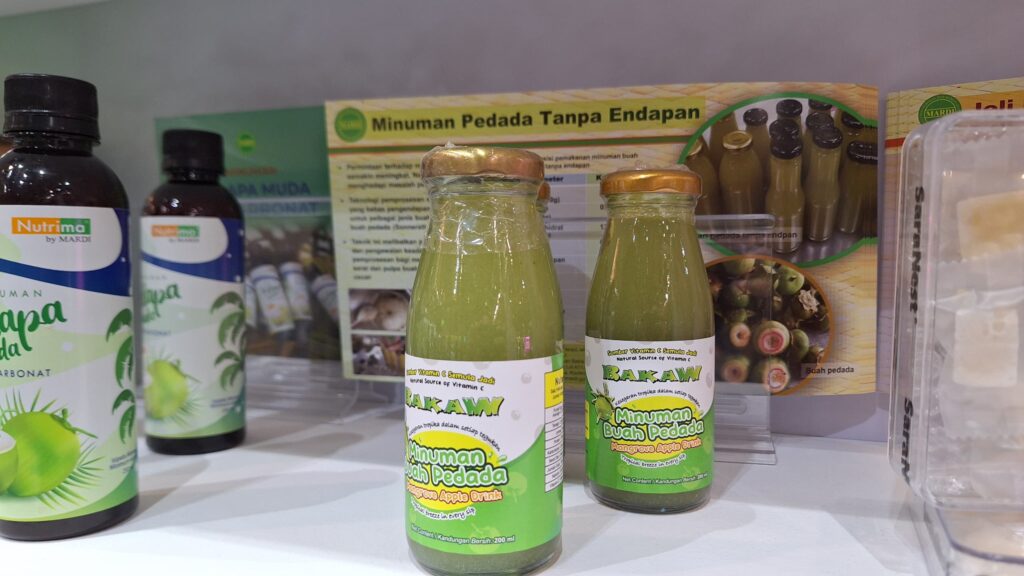
Sharing their initiative as an NGO, Sabakau has developed mangrove-based products, including juice extracts from the Sonneratia caseolaris species, commonly known as the Mangrove Apple. The product’s formulation draws inspiration from research conducted by MARDI in Kuching, Sarawak.

They are also committed to exploring the potential and developing community-based downstream products through health and beauty innovations rooted in the medicinal properties of mangrove species. Sabakau has also established a unique sustainable fashion brand using eco-friendly materials.
In the near future, Sabakau plans to organise community-driven workshops on the use of natural dyes derived from specific mangrove species for arts and crafts.
These workshops will serve as pilot projects, involving selected local communities to explore the potential of mangrove-based creative industries while fostering cultural preservation and sustainable livelihood opportunities.
This initiative seeks not only to generate alternative income sources for local communities but also to raise awareness of environmental stewardship through ethical product development and responsible resource use – thereby achieving Sabakau’s mission to transform mangroves into sustainable economic, educational, and cultural resources.
Despite its long-term vision, Sabakau faces key challenges. Among them are low public awareness, disconnection between conservation policies and local implementation, and tension between development and ecological preservation.
Nevertheless, Sabakau believes the solution lies in integrated land-use planning, community-based economic empowerment, and long-term education initiatives.
Through innovation, education, and grassroots empowerment, Sabakau is proving that mangroves are more than just trees rooted in muddy waters – they are the lifelines of communities, economies, and ecosystems.
This World Mangrove Day, let Sarawak’s call be clear: protecting our wetlands is not just an environmental duty, but a cultural, economic, and generational investment in the future we all share.