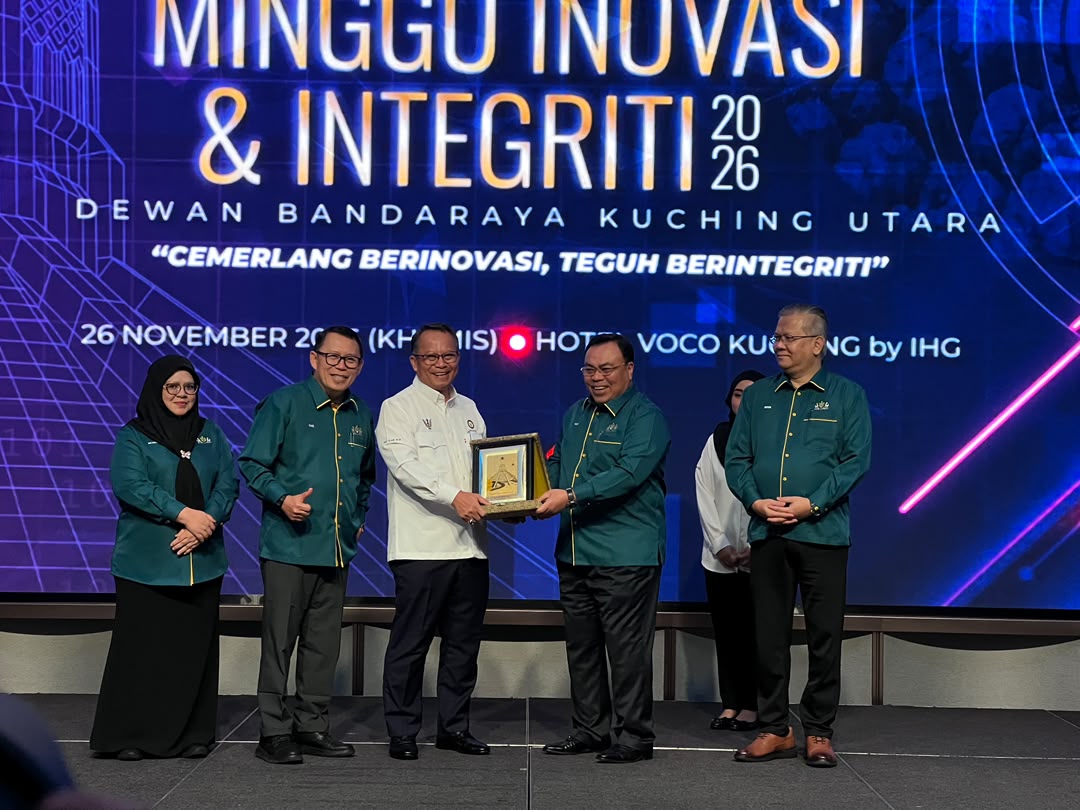
KUCHING: The Kuching North City Commission (DBKU) must strengthen its long-term planning and adapt its services to meet changing public expectations as Kuching continues to develop, says State Secretary Datuk Abu Bakar Marzuki.
He said DBKU should plan for the next 10 to 20 years, taking into account major developments such as the proposed new airport, port and projects in Petra Jaya, which would bring new challenges and responsibilities.
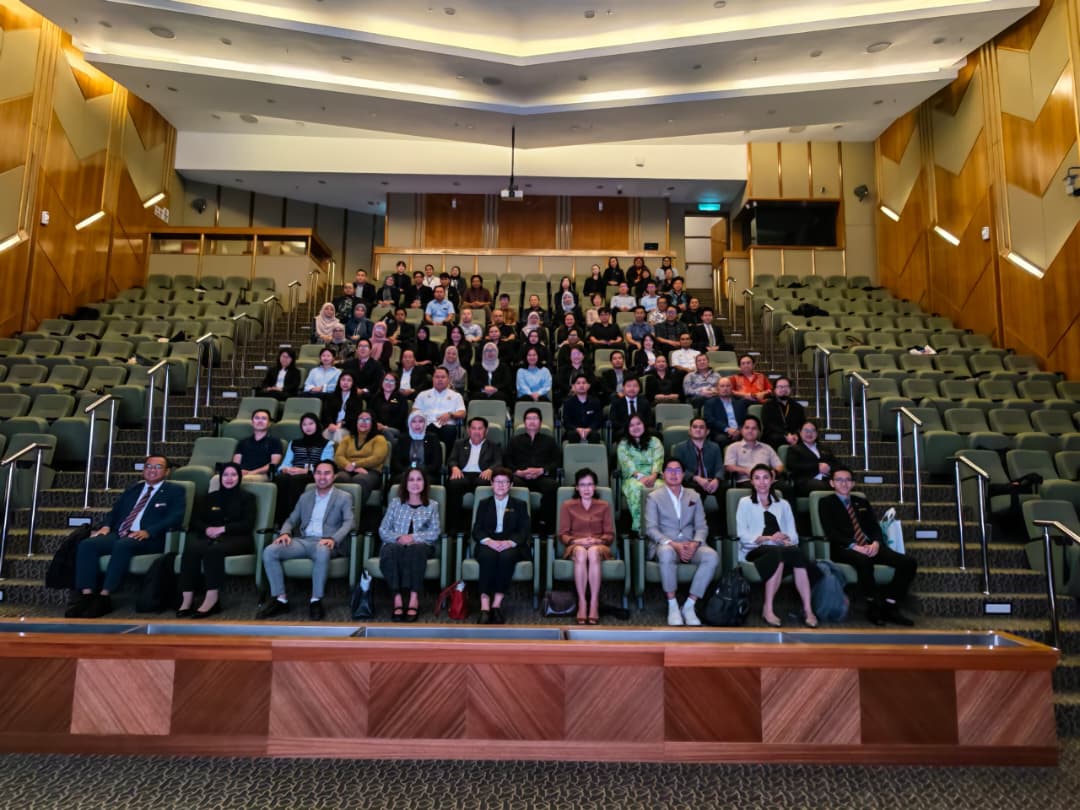
“What you do today may no longer be relevant tomorrow, and what you do tomorrow may no longer be relevant the day after. We must think 10 years ahead,” he said during the DBKU Innovation and Integrity Week held here today.
He said the state’s vision to position Kuching as a hub for investment and tourism required DBKU to continuously review its strategies to ensure its services remained relevant.
Abu Bakar stressed that innovation must go hand in hand with integrity, adding that organisational excellence depended on contributions from everyone, regardless of rank or position.
He urged department heads and senior officers to remain open to ideas from junior officers and support staff, particularly younger employees, who could offer fresh perspectives on improving service delivery.
“Your strengths may be my weaknesses, and my strengths may be your weaknesses. But when we combine them, they become a strength for the entire team,” he said.
He noted that DBKU had received approximately 250 awards and recognitions since its establishment in 1988, including Platinum and Gold awards.
However, he reminded its staff that these achievements must translate into tangible benefits for the public, who are more concerned about the quality of services received than the organisation’s internal processes or accolades.
He also highlighted DBKU’s performance in handling public feedback, with 4,502 submissions recorded between January and October this year and a complaint resolution rate of 97 per cent as of October.
Drainage maintenance accounted for the highest number of feedback submissions at 673, or about 15 per cent of the total.
He urged DBKU to examine recurring complaints, identify their underlying causes and improve existing maintenance methods.
Abu Bakar advocated the 3R approach, Review, Rethink and Recharge to encourage continuous improvement through process reviews, better solutions and staff capacity-building.
He said artificial intelligence (AI) could help analyse complaint patterns, identify recurring problems and prioritise action, but stressed that accountability must remain with public officers.
“AI can help us make decisions, but the responsibility remains in our hands as public servants. AI does not have wisdom. We, as human beings, have wisdom,” he said.
He also called for stronger inter-agency cooperation, saying DBKU must not work in silos when addressing issues involving other government departments, as the public viewed the government as one entity.
On urban development, he urged DBKU to explore providing more green spaces, recreational areas and sports facilities in Petra Jaya to improve residents’ quality of life.
He also called for more accessible pedestrian infrastructure, taking into account the needs of senior citizens, parents with young children and wheelchair users.