SIBU: The Electrical Association of Sarawak and Sabah (EASS) has been urged to strengthen professionalism, expand technical training and nurture more skilled workers to meet the demands of rapid technological advancement.
Tourism, Arts and Culture Minister, Datuk Seri Tiong King Sing, said the electrical industry had played an important role in supporting East Malaysia’s economic and social development over the past five decades.
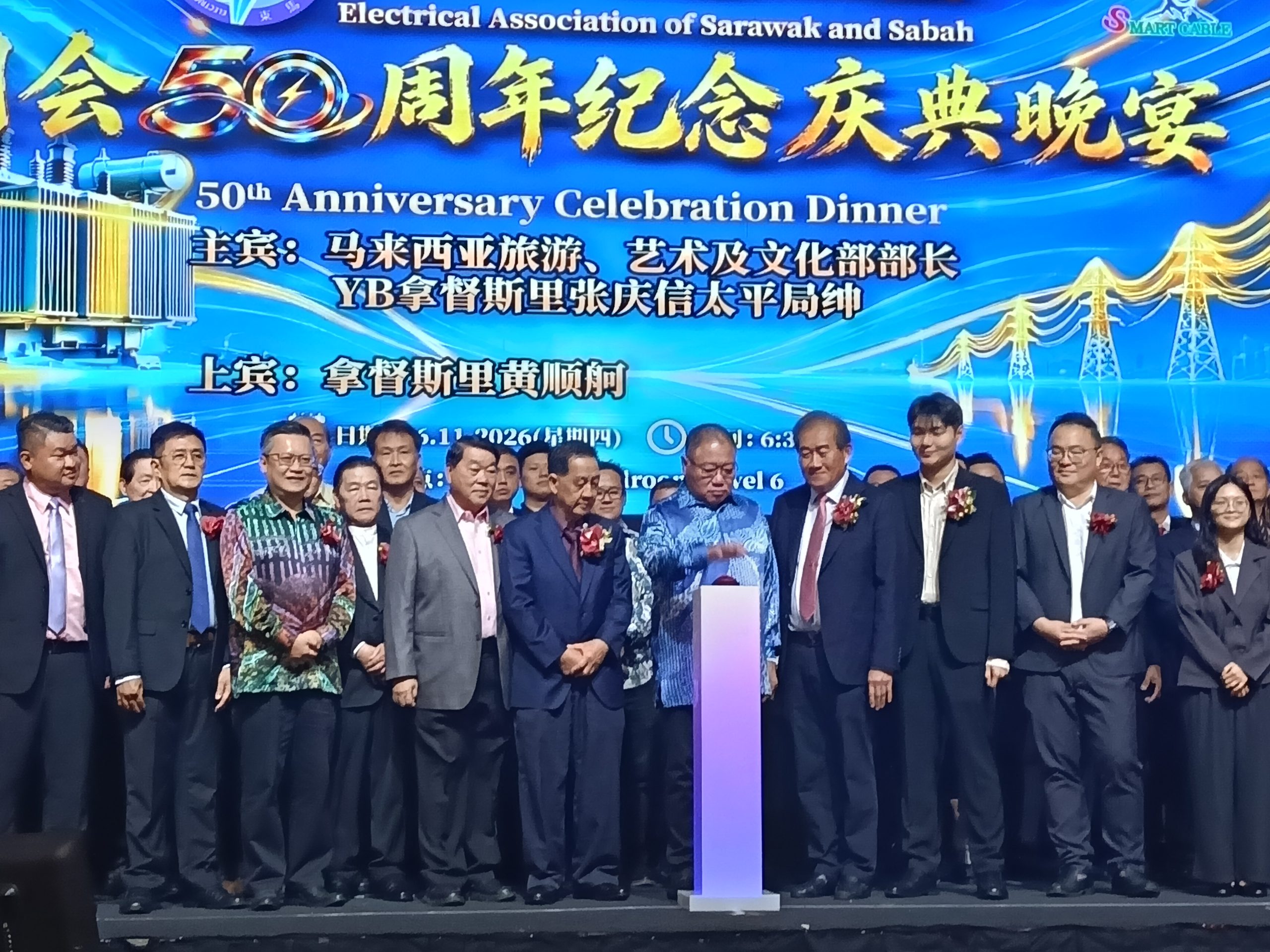
Officiating at the association’s 50th anniversary dinner here on Thursday (Nov. 26), he congratulated its past and present office-bearers, members and supporters for their contributions, describing the golden jubilee as a significant milestone reflecting the industry’s unity, perseverance and spirit of cooperation.
He said the electrical industry had undergone tremendous transformation, evolving from traditional electrical repair and installation services into a more diversified, specialised and technology-driven sector.
Professional electrical services, he noted, were essential to various aspects of development, including residential construction, commercial activities, industrial production and public infrastructure.
“Although the electrical industry may not always be at the forefront of development, it remains an indispensable force supporting the smooth functioning of society and driving economic growth,” he said.
Tiong pointed out that rapid technological advancement had created both opportunities and challenges, with smart grids, energy-efficient technologies, green energy, automation systems and smart buildings increasingly shaping the industry’s future.
With the global push towards energy transition, he said industry players must continuously upgrade their professional capabilities, keep abreast of emerging technologies and strengthen technical training and knowledge exchange.
He expressed hope that the association would continue serving as an important platform for members to keep up with industry developments, exchange expertise and explore new business opportunities.
He also stressed that industry development must go hand in hand with professional standards, quality workmanship and workplace safety.
As electrical work involves specialised technical expertise and public safety, he said proper professional training, technical certification and safety awareness were essential to protecting lives and property.
He stressed that the industry needed not only successful businesses but also a competent workforce equipped with the necessary knowledge, technical skills and sense of responsibility.
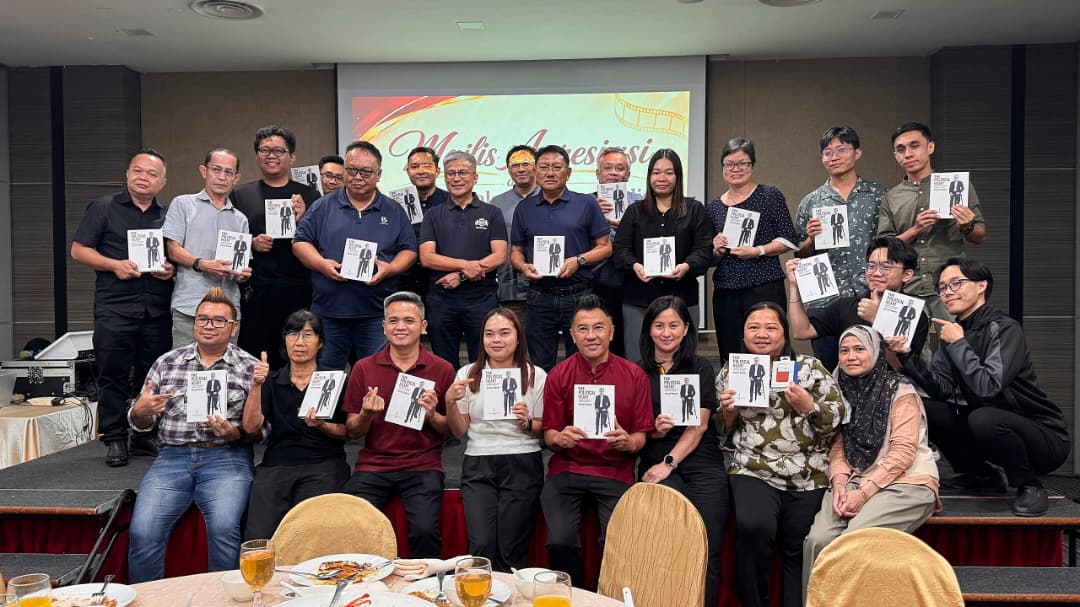
Referring to a story featured in the association’s 50th anniversary commemorative magazine about Vivianna Bong, Tiong said her journey from completing the Sijil Pelajaran Malaysia (SPM) examination to entering the electrical industry, obtaining professional wireman qualifications and eventually becoming an electrical contractor was an inspiring example of determination and perseverance.
Her achievements also demonstrated that women could excel in technical and engineering fields, he added.
Tiong called on the association to expand its training initiatives and provide more professional courses for industry practitioners and young apprentices to enhance their knowledge and technical capabilities.
In support of these efforts, he announced a contribution of RM15,000 to the association to facilitate relevant training programmes and help develop more skilled manpower for the electrical industry.
On the broader development outlook, he said a stable and reliable electricity supply was fundamental to East Malaysia’s economic progress.
“Whether in attracting investments, developing industries, upgrading local infrastructure or promoting tourism, reliable basic infrastructure remains a key requirement,” he reiterated.
“Many areas in Sarawak and Sabah still had considerable development potential, making it important for the government to continue improving infrastructure, enhancing public services and encouraging the adoption of advanced technologies and new investments.
“I would also like to call for closer communication between the government and industry players to better understand the challenges faced by businesses and identify practical solutions through policy formulation, development planning and resource coordination.”
Sustainable industry growth, he added, required not only government policy support but also unity, professionalism and a long-term vision among industry players.
Tiong said the association’s 50-year journey was the result of collective efforts by successive leadership teams, members and industry colleagues rather than the contributions of any single individual.
He expressed hope that the association would continue upholding its founding spirit, uniting industry players, nurturing young talent and strengthening cooperation with relevant organisations locally and internationally.
“This will enable the electrical industry in East Malaysia not only to keep pace with changing times but also to participate actively in future development and competition,” he said.
Congratulating the association on its 50th anniversary, Tiong expressed hope that it would continue to prosper, its members’ businesses would flourish and the electrical industry would make even greater contributions to East Malaysia’s economic development and social progress.