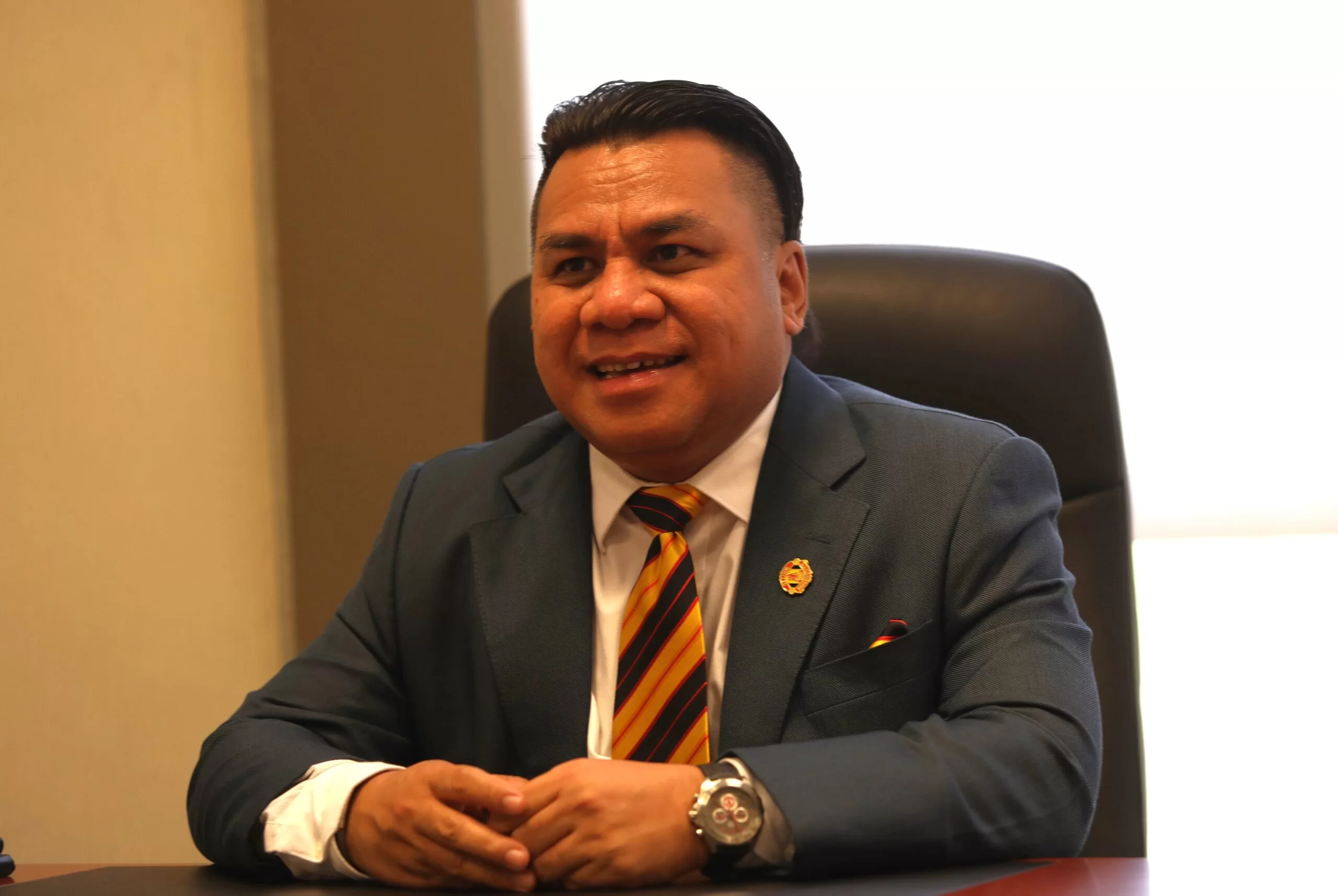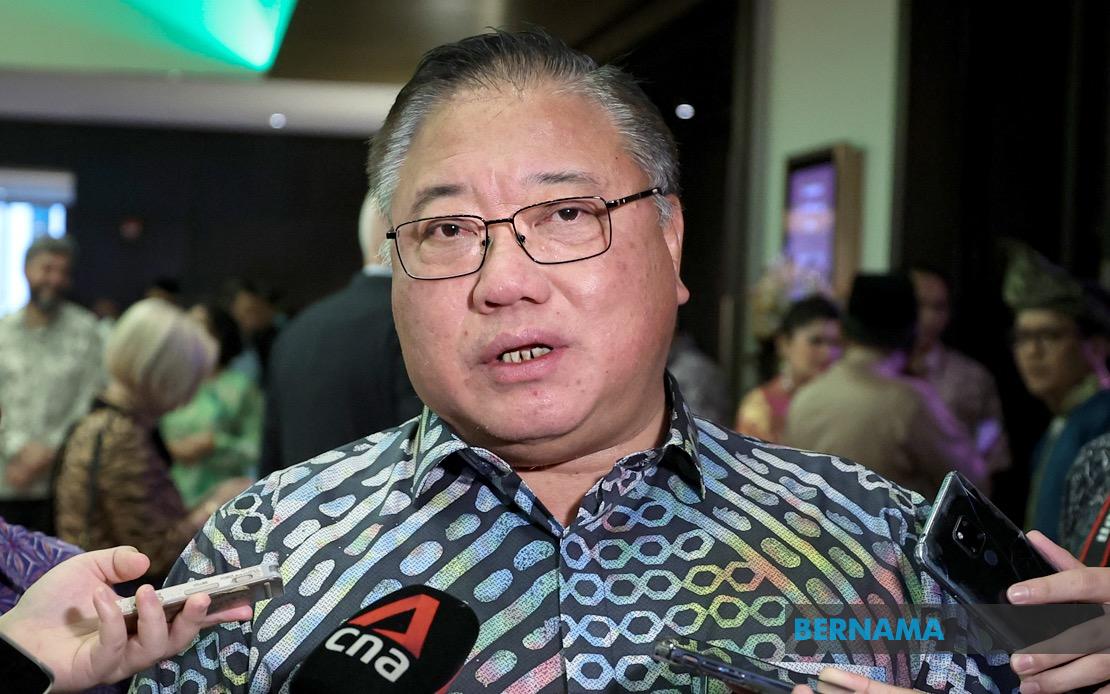
KUCHING: Festive decorations should not be politicised or sensationalised, as doing so risks damaging Melaka’s image as well as Malaysia’s standing as an international tourism destination, says Minister of Tourism, Arts and Culture Datuk Seri Tiong Kiong Sing.
He said he was deeply disappointed over the controversy surrounding festive decorations at kitchens or outlets within hotels holding the Malaysian Halal Certification (SPHM), following a circular by the Melaka Islamic Religious Department (JAIM).
“This issue has the potential to tarnish the image of Melaka and Malaysia as international tourism destinations,” he said in a statement posted on his Facebook.
Tiong noted that JAIM had clarified the restriction only applied to kitchens and dining areas with halal certification, and not to the entire hotel premises.
“Areas outside the scope of halal certification, such as hotel lobbies or other public spaces, are not subject to any prohibition on decorations,” he said.
He stressed that in a multicultural society like Malaysia, Christmas celebrations are largely decorative in nature and represent cultural expression.
“Hotels should have the freedom to decorate within reasonable limits, including in restaurants. If even the most basic right to festive decorations is questioned, what perception will be formed of our country? What image are we projecting to the international community?” he questioned.
Tiong described Melaka as a global tourism city renowned not only for its rich historical heritage but also for its blend of cultures, religions, philosophies and arts, which he said formed the state’s most valuable core attraction.
He said that he had received feedback from several international tourists who were confused by the issue and perceived Melaka as lacking religious and cultural tolerance.
“This perception runs contrary to Malaysia’s long-established image as a multiracial and multi-religious nation in the eyes of the international community,” he said.
According to Tiong, his concern went beyond differing interpretations of regulations, focusing instead on the broader impact of the controversy on Melaka’s and Malaysia’s international image.
“This is merely a festive decoration issue, yet it has been magnified into a racial and religious controversy. Such discussions do not help tourists understand our system and instead easily give rise to misunderstandings,” he said.
He added that many people, both locally and internationally, found it difficult to comprehend why a simple decorative matter had escalated into a major issue.
“We must remember that Malaysia is a multiracial and multi-religious country, and this diversity and inclusiveness are core values we should be proud of,” he stressed.
Tiong said he had raised in Parliament that attracting more international tourists was among Malaysia’s top priorities, with Visit Malaysia Year 2026 being a crucial milestone for the country.
“All states share this responsibility. If communication or handling of issues creates doubt about Malaysia’s diversity and inclusiveness, previous efforts will be significantly undermined, or even rendered futile,” he said.
He urged religious leaders to return to dialogue and communication, resolving differences through discussion and mutual understanding rather than allowing misunderstandings to persist.
Tiong also highlighted Prime Minister Datuk Seri Anwar Ibrahim’s long-standing commitment to promoting interfaith dialogue by bringing religious leaders together for discussions, describing it as a vital national effort.
“At the state level, the same spirit must be reflected in implementation and communication,” he said, expressing hope that the Melaka state government, particularly departments overseeing religious affairs and tourism, would strengthen coordination and proactively provide clear explanations to the public and international visitors.
“All parties have worked hard to promote Melaka, and I do not want this issue to leave a negative impact on the state at this critical juncture leading up to Visit Malaysia Year 2026,” he said.
Tiong emphasised that the role of the state government was to preserve harmony among different religious and ethnic groups, resolve misunderstandings through clear communication and rational handling, and avoid magnifying minor issues into unnecessary conflict.
“Only on the basis of mutual respect and tolerance can Melaka continue to serve as a model of multiculturalism, allowing the world to truly see the values of humanity, harmony and unity upheld by Malaysia,” he added.
The remarks came amid reports of a purported circular by the Melaka Islamic religious affairs department banning Christmas decorations at halal-certified hotels or outlets, citing concerns that the celebration is religious in nature and could lead to faith-related issues, a move that has drawn criticism from various quarters.