SIBU: Tourism, Arts and Culture Minister, Datuk Seri Tiong King Sing, has voiced his strong opposition to a proposed fertiliser factory or storage facility at Lorong Lanang Barat 7, next to Klinik Kesihatan Lanang.
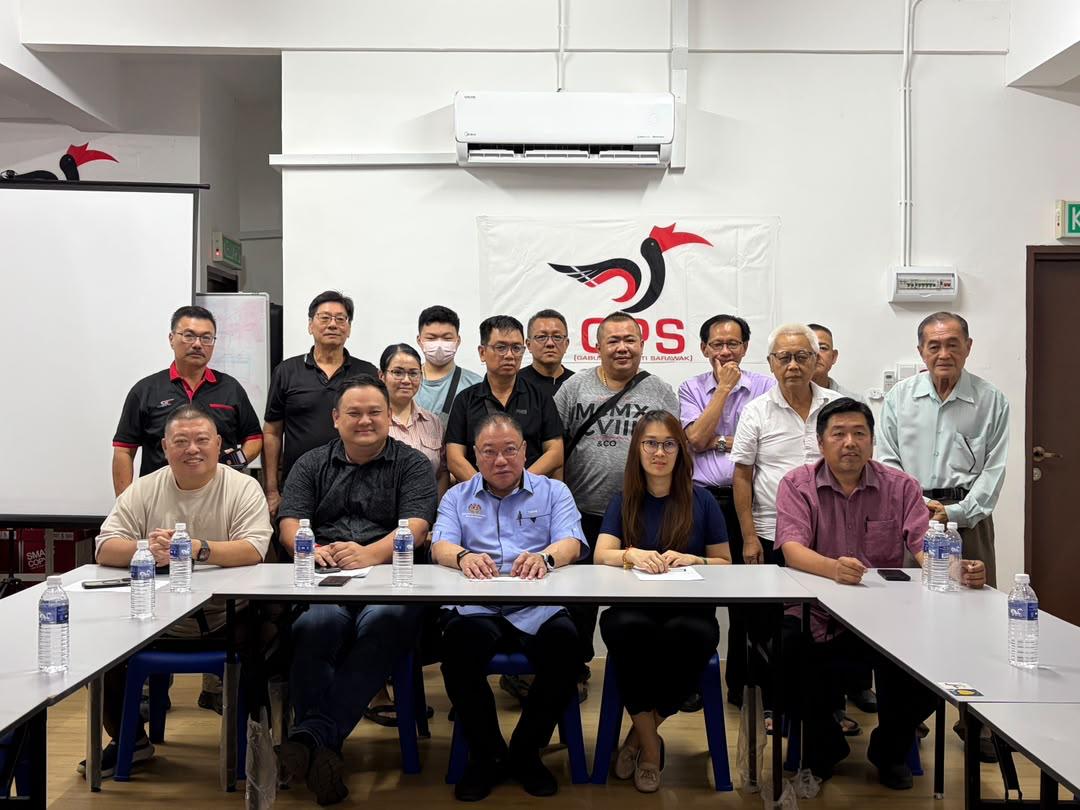
About 20 representatives from Grand Heights, Lada, Sukun and Upper Lanang met Tiong this morning to express their concerns over the proposed development.
They said they would not accept a fertiliser factory or a storage facility for fertilisers and potentially hazardous raw materials in their neighbourhood.
They also called on the business owner and the relevant authorities to clarify the actual purpose of the premises.
Tiong said such an operation should not be allowed in a residential area, particularly one situated next to a health clinic, with a school and a food cold-storage facility also located nearby.
“Whether it is a factory or a storage facility, the operation could generate unpleasant odours and affect nearby residents. I strongly oppose this type of business activity being carried out in a residential area.
“Such operations should be located in an industrial zone, not in the middle of a housing area and next to a clinic,” he said in a statement.
He said residents had informed him that they would only consider the proposal if the premises were used as an ordinary warehouse.
However, the business owner would still have to clearly explain what would be stored there and how the business would operate.
“The health and welfare of residents must come first. The owner cannot simply describe it as a warehouse without disclosing what is going to be stored there,” he said.
Tiong said he had been informed that the application submitted to the authorities was initially for warehouse use.
However, he claimed that the business owner’s brother had allegedly told others that the premises would be used as a fertiliser factory.
“I do not care who is behind this project or how influential they may be. My priority is the health and well-being of the residents. If approval was sought for a warehouse but the premises are subsequently used as a fertiliser factory, then the authorities would have been misled.
“If the application had stated from the outset that the premises were intended to house a fertiliser factory, I do not believe such a proposal would have been approved in a residential area,” he said.
He urged the business owner to come forward and provide a clear explanation rather than allowing speculation and uncertainty to persist.
Tiong also questioned why a planned meeting with residents had initially been arranged at a coffee shop, subsequently moved to a lawyer’s office and eventually cancelled.
“If the business owner is sincere about explaining the project, there should be an open dialogue with the residents. People have the right to know what is being planned in their neighbourhood and to raise questions.
“The business owner should come forward personally to explain the intended use of the premises and make the relevant application documents, approvals and reports available to the affected residents,” he said.
Tiong stressed that the project should not proceed until the concerns raised by residents had been properly addressed.