AS Visit Malaysia 2026 approaches, voices from various sectors are weighing in on how Sarawak can maximise this opportunity.
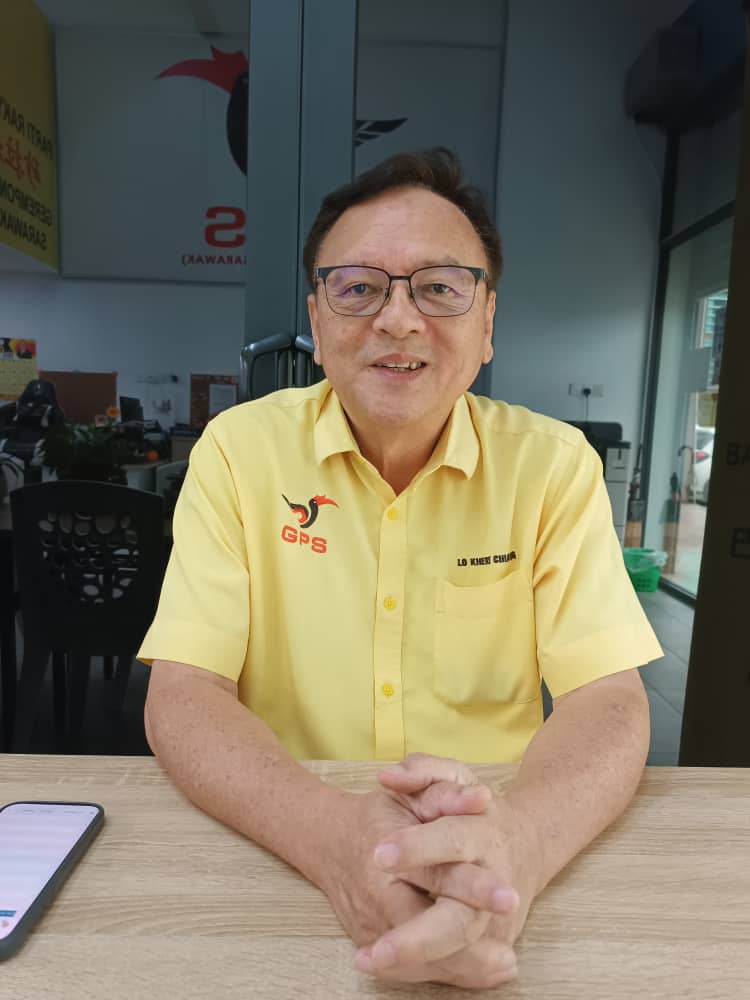
Freelance tour guide, 61-year-old Bob Zakaria brings a unique perspective shaped by decades of hosting international guests and understanding what travellers truly seek, having first joined the industry since 1989.
In this exclusive interview with Sarawak Tribune, Bob shares his recommendations for must-visit destinations, highlights hidden gems that deserve attention and addresses the infrastructure challenges that could make or break the visitor experience.
His insights reflect not just professional observation but a deep commitment to showcasing Sarawak authentically and sustainably.
ST: What are your top three must-visit destinations in Sarawak that you recommend to tourists?
To be honest, it depends on what the tourists want, as there are different demography of visitors coming to visit Sarawak. Here, I will list down where I would bring tourists as a tour guide.
First would be Kuching City itself. The capital offers multiple activities and attractions that give visitors a comprehensive introduction to Sarawak’s culture, history and modern development. It’s an ideal starting point.
Second is Mulu National Park. This is truly a gem for nature lovers, with unique geological features and cultural elements that you won’t find anywhere else. The caves alone are worth the journey and the surrounding rainforest ecosystem is remarkable. I have been here so many times and the scenery still captivates me every single time.
Third, I’d recommend Bengoh Dam, which has recently gained significant popularity. It’s become more prominent in recent years and offers a different kind of experience compared to our other natural attractions.
Are there any hidden gems or lesser-known spots in Sarawak that deserve more attention during Visit Malaysia 2026?
Absolutely. Permai Rainforest Resort is one place that deserves far more recognition. It features tree houses and villas with trekking trails that combine both land and sea experiences.
The wildlife there is incredible, including proboscis monkeys, silver-leaf monkeys, long-tail macaques and various hornbill species.
What I particularly respect about Permai is how it’s operated sustainably by Rahim Bugo with minimal environmental impact. That’s the kind of responsible tourism we should be promoting.
Another hidden gem is Pulau Satang, also known as Turtle Island. It’s a private island with accommodation facilities.
More importantly, it’s a green turtle conservation site where visitors can witness turtle egg-laying and participate in conservation practices. The island operates seasonally from April to early October, which is perfectly fine.
Not every attraction needs to be open year-round. This is niche tourism at its best, not mass tourism, and that’s what makes it special.
How do you think Visit Malaysia 2026 will impact the local tourism industry here?
History shows us that Visit Malaysia campaigns create significant spikes in visitor arrivals. Tourism Malaysia conducts aggressive overseas marketing during these campaigns and Sarawak tourism players have a real opportunity to capitalise on this momentum.
What’s encouraging is that post-campaign figures typically remain elevated above the previous baseline. This isn’t just a temporary boost. The key for us is to create new packages and refresh existing attractions so that visitors have compelling reasons to choose Sarawak.
However, the impact will only be positive if we address our current challenges. Otherwise, we risk disappointing visitors and damaging our reputation.
What improvements would you like to see in Sarawak’s tourism infrastructure?
There are several critical areas that need attention.
First, pedestrian accessibility is a major concern. Our five-foot ways are uneven and not wheelchair friendly. Steps and level differences pose real safety risks and vendors often obstruct walkways by displaying merchandise. This should not be the case and authorities should be more strict about our five-foot ways.
Secondly, tour bus parking is woefully insufficient. Buses are forced to park on roadsides, turning three-lane roads into two-lane roads. This creates traffic problems and safety hazards. Hotels also lack adequate drop-off and parking facilities.
Apart from that, restaurant capacity is another issue. Most establishments can only accommodate 40 to 100 people, with very few able to handle 200 or more guests. When tour groups arrive, this becomes a bottleneck.
Public toilets also need major upgrades. Instead of charging 10 to 20 sen for poor facilities, I believe we should charge RM2 and provide 3 to 4-star quality amenities.
Tourists are willing to pay for proper facilities. We also don’t have enough tour buses available in Sarawak, and our roads are too narrow for tour bus drop-offs at many restaurants.
Parking spaces are inadequate, especially for disabled visitors. There are a lot of things that can be improved if given proper attention.
Are there any challenges tourists currently face when visiting Sarawak that need to be addressed?
Digital requirements have become problematic for tourists. Many attractions now require online registration, which is difficult for tourists without smartphones or those with poor internet connectivity. European visitors, in particular, often don’t carry phones while touring.
Places like Semenggoh Wildlife Centre have unreliable internet, making this even more frustrating.
Documentation requirements also need reconsideration. Some venues demand original passports for entry, but tourists are understandably reluctant to carry these valuable documents due to loss or damage risks. If a tourist loses their passport in Sarawak, it creates major complications given our limited embassy presence.
Only Brunei and Indonesia have embassies here. We should accept photocopies instead of originals.
Information access is another challenge. Many of our websites are outdated and visitors get redirected to multiple sources just to find current details. This creates unnecessary frustration before they even arrive.
If you could give one piece of advice to authorities planning for Visit Malaysia 2026, what would it be?
Collaboration is essential. The Federal Tourism Ministry and Sarawak Tourism Ministry must work together effectively. Tourism should benefit all stakeholders, not just select groups or cronies. We need to recognise that non-preferred vendors can also provide quality services.
More importantly, we must stop selling budget packages. These compromise quality across the board, from buses to tour guides to meals. Many packages are currently sold under value, which leads to unlicensed vehicles being used because licensed tour buses are expensive. But licensed tour buses provide insurance and proper safety inspections. This isn’t just about quality, it’s about safety.
The focus should be on “value for money” rather than cheap pricing. We’re not competing on price alone; we’re offering unique experiences that justify proper pricing.
I also urge authorities not to focus only on large-scale attractions. Sarawak has many niche attractions worth promoting.
We should learn from destinations like Singapore, which continuously refreshes old attractions rather than only creating new ones. Seasonal tourism is perfectly acceptable.
Look at Europe, where many attractions operate seasonally. Not everything needs year-round operation.
Visit Malaysia 2026 is an opportunity, but only if we approach it with the right mindset. Quality over quantity. Sustainability over short-term gains. Community benefit over exclusive interests.
If we can achieve that, Sarawak’s tourism industry will thrive long after 2026.