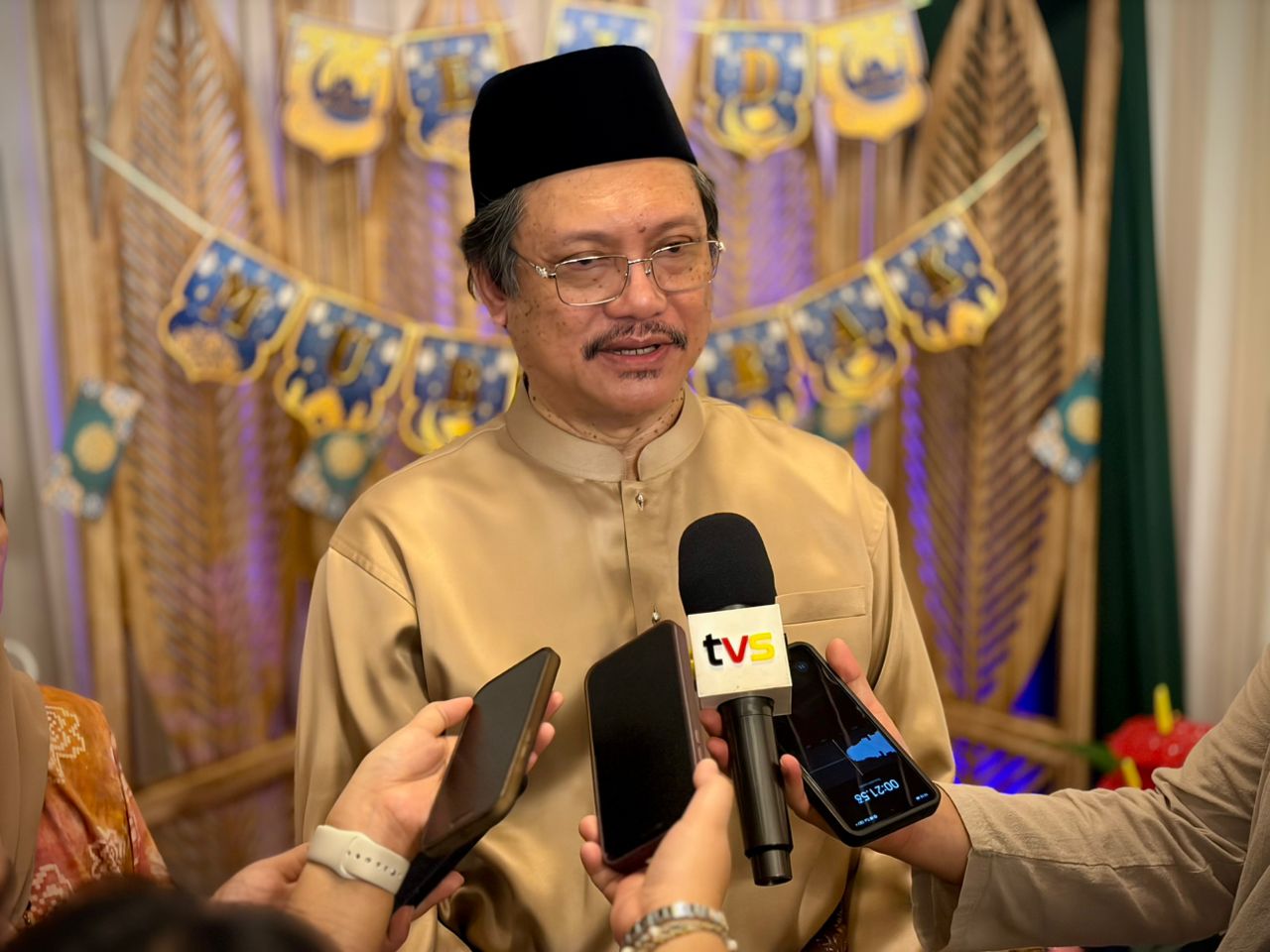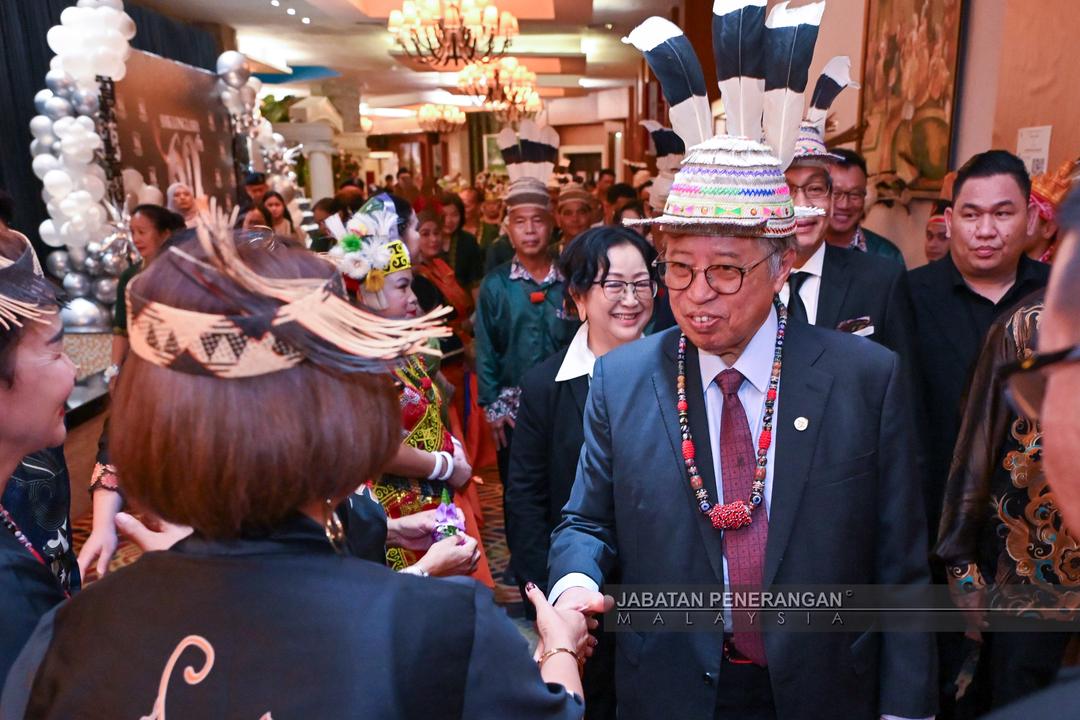
KUCHING: Contingency measures are in place to cushion any impact on the tourism sector should the Middle East crisis worsen, with domestic tourism expected to remain a key buffer, said Minister of Tourism, Creative Industry and Performing Arts, Datuk Seri Abdul Karim Rahman Hamzah.
Abdul Karim said Sarawak and Malaysia are prepared to respond if the situation turns critical.
“If the situation becomes detrimental or critical, I believe the Sarawak Government and the Malaysian Government will have contingency plans to ease the burden on the people,” he told a press conference in conjunction with the ministry’s Hari Raya open house held here today (Mar 29).
Abdul Karim said Sarawak’s tourism industry had proven its resilience during the COVID-19 pandemic, when domestic tourism sustained the sector despite international travel restrictions.
“When borders were closed and there were no incoming flights, our tourism industry survived through domestic programmes such as ‘Sia Sitok Sarawak’ and others,” he said.
He explained that domestic travel continues to play a vital role, with Sarawakians travelling between cities such as Kuching, Miri, Sibu and Bintulu, supported by the state’s diverse tourism offerings.
On concerns that rising oil prices could affect travel costs, Abdul Karim acknowledged that there may be some impact on airfares, but maintained that it would not significantly disrupt overall travel patterns.
“We are fortunate as a resource-producing region with oil and gas. This puts us in a better position compared to others,” he said.
Responding to whether domestic tourism is a short- or long-term solution, he said much would depend on how long the Middle East conflict persists, but noted that some global shipping routes, including the Strait of Hormuz, remain open to several countries in the region.
“There are still countries that are not heavily affected, including Malaysia, Indonesia, Thailand and China. So we see that there are opportunities even in this situation,” he said.
He stressed that there is no cause for alarm at present, noting that fuel prices locally have not seen drastic increases compared to other regions.
“Sometimes we are influenced by what is happening globally and assume the situation is worse than it actually is. In reality, fuel prices here have not changed significantly,” he said, urging the public to remain calm and positive.
Abdul Karim also addressed concerns raised by tourism operators regarding difficulties in purchasing fuel using jerry cans.
He clarified that such restrictions are not new and that mechanisms already exist for those in the industry to obtain subsidised fuel.
“For fishermen and those in industries using boats, including tourism operators, there are permits that can be applied for to purchase subsidised fuel using jerry cans. This has been in place since the COVID-19 period,” he said.
He added that the issue often arises from a lack of awareness, rather than policy limitations.