KAPIT: Traditional handicrafts should not only be preserved as part of Iban cultural heritage but also developed into a potential source of income for rural communities, particularly women.
Deputy Minister in the Premier’s Department Sarawak (Native Laws and Customs) Datuk Jefferson Jamit Unyat said traditional craftsmanship represented the identity, history and creativity of the community, with skills passed down through generations serving as a valuable cultural legacy.
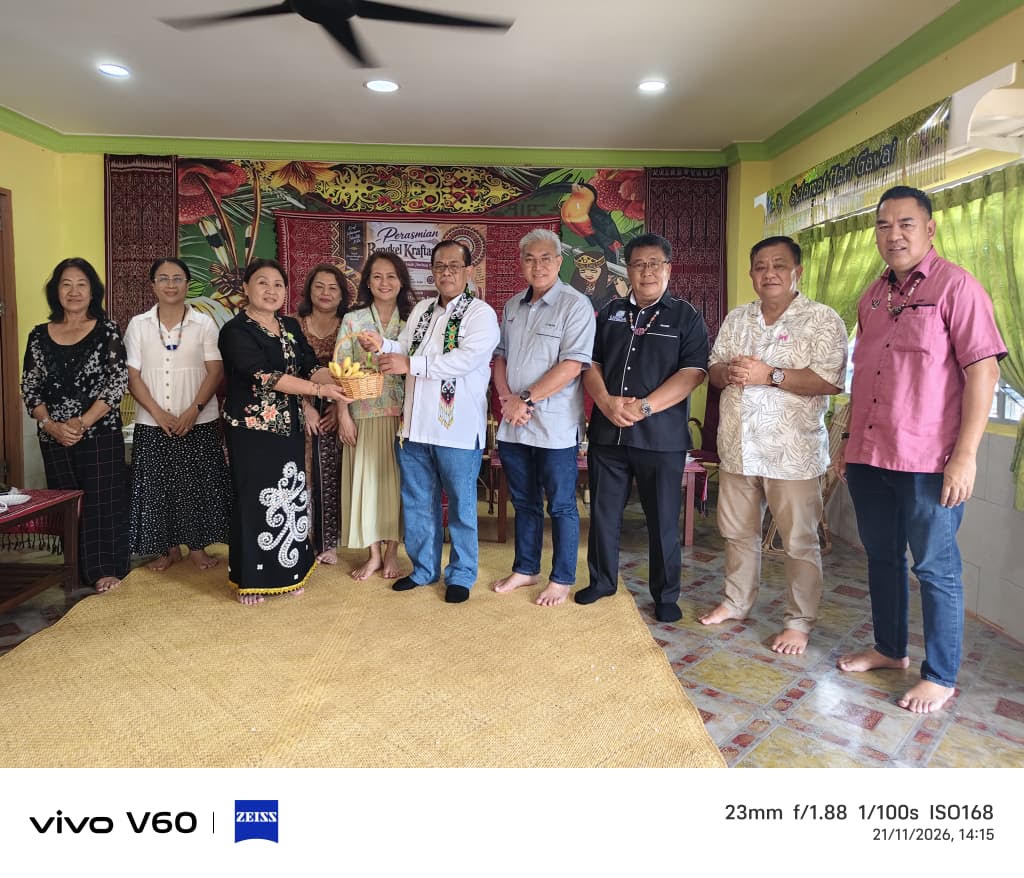
Speaking at the closing ceremony of a handicraft workshop organised by the Women’s Bureau of Rumah Rose Jimban at Nanga Sebatu, he stressed the importance of ensuring traditional skills continued to be practised and passed on to younger generations.
He said crafts such as weaving, embroidery and beadwork were more than artistic creations, as they reflected the knowledge, customs and cultural identity of the Iban community.
Jamit encouraged participants to share their knowledge and experience with younger people to prevent traditional craftsmanship from gradually disappearing amid modernisation and changing lifestyles.
He also highlighted the economic potential of handicrafts, saying distinctive traditional products could be developed into marketable items for local consumers, tourists and wider markets.
He urged participants to improve their product quality, creativity, finishing, packaging and branding, while making greater use of digital platforms and social media to promote their products.
“Such initiatives can create additional income opportunities for women and families in longhouses while strengthening women’s participation in local socio-economic development.”
Jamit also called on the Women’s Bureau of Rumah Rose Jimban to make the workshop a continuous initiative rather than a one-off programme.
He encouraged participants to continue practising their newly acquired skills and share their knowledge with other communities.
He stressed that development should not be measured solely by physical progress and modernisation, but also by a community’s ability to preserve its cultural identity, customs and heritage.