KUCHING: Sarawak’s unique cultural diversity provides fertile ground for the state to be recognised as a leading reference point in the field of translation, not only in academia but also as a vital effort to preserve Malaysia’s linguistic identity and heritage.
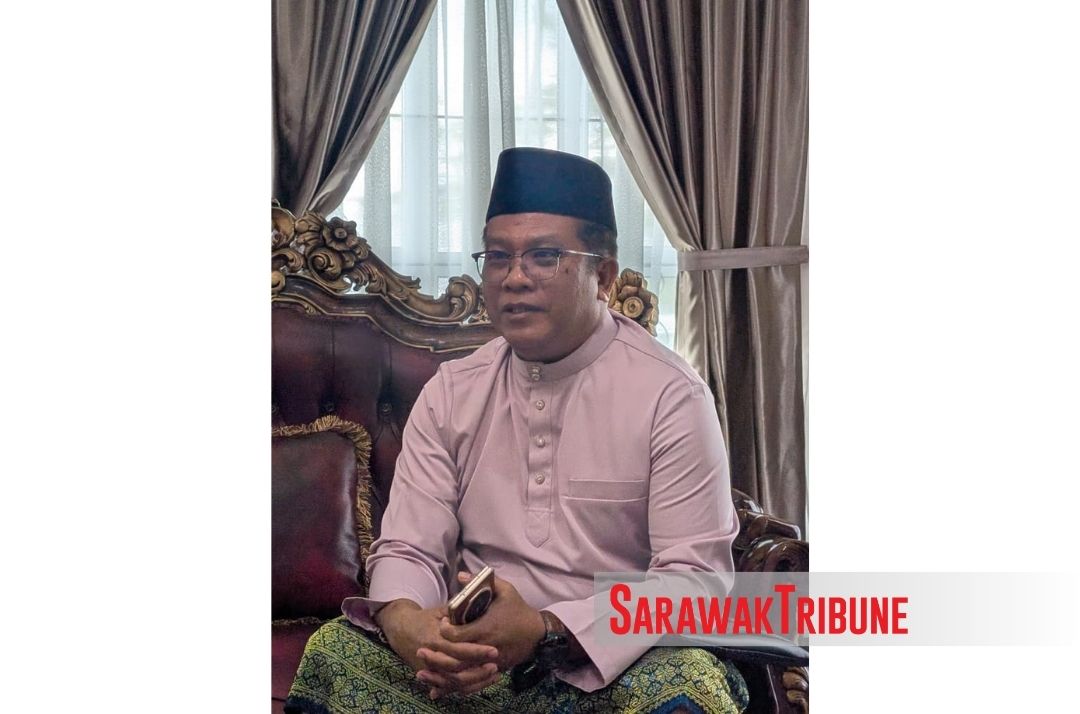
Universiti Malaysia Sarawak (Unimas) vice-chancellor Professor Dr Ahmad Hata Rasit said the hosting of the 20th International Translation Conference in Kuching was therefore most fitting.
“With the wealth of languages, dialects and speech forms in Sarawak, this state is the most appropriate venue to carry this year’s theme, ‘Preserving Heritage through Translation’.”
He added that Sarawak’s multilingual richness should be seen not only as a cultural asset but also as a knowledge resource.
“Translation is a bridge of knowledge, a connector of civilisations, and a mechanism to safeguard our linguistic treasures.
“This effort goes beyond transferring meaning; it is about producing outcomes that are both meaningful and of high quality.”
Prof Ahmad Hata pointed out that in Borneo, much of the intangible heritage, from oral traditions such as folktales, proverbs and songs, to written culture such as manuscripts, requires translation to ensure it is understood by the younger generation and appreciated globally.
“Through translation, local knowledge can be transferred across languages and eras, preventing it from disappearing in the tide of globalization.”
He also highlighted Unimas’ contributions, noting that its researchers had already published anthologies of Bidayuh, Penan and Iban folktales, translated into both Malay and English.
“Such efforts strengthen ethnic identity and enrich the literary heritage of Borneo.”
He further expressed hope that translation as a tool for heritage preservation would evolve into a discipline that pushes boundaries.
“We must be ready to explore translation more deeply and challenge conventions so that the field continues to grow and remain relevant across its many sub-disciplines.”
The three-day conference, hosted by Unimas in collaboration with the Malaysian Translators Association (PPM), Dewan Bahasa dan Pustaka (DBP), and the Institute of Translation and Books Malaysia (ITBM), featured four keynote papers, five plenary sessions with cultural translation experts, as well as a special workshop and forum involving the Council of Language Deans of Public Universities, the Malaysian Federation of the Deaf, the Malaysian Sign Language Interpreters Association, and Wikimedia Malaysia.
In addition, 64 papers were presented across five parallel sessions, with the participation of more than 250 delegates from Malaysia, China, Singapore, Norway, Italy, Korea, Indonesia and Brunei Darussalam.
“The presence of speakers and participants from so many countries is expected to contribute diverse perspectives that will enrich the discourse on translation.”
Beyond academia, he said the broader aim was to nurture translation as a strategic discipline that underpins identity, strengthens cultural diplomacy, and opens pathways for innovation in the digital era.