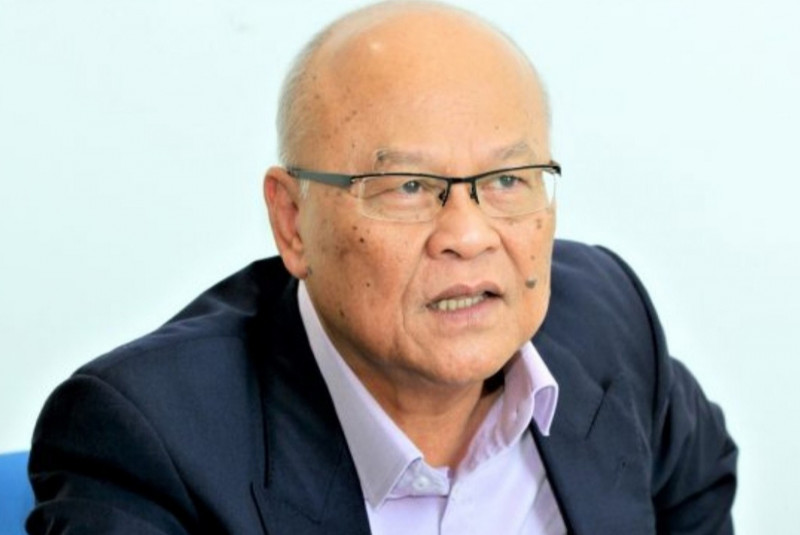
KUCHING: The simmering dispute over Sarawak’s oil and gas rights may become one of the most potent political undercurrents in the coming state election.
Political analyst Datuk Peter Minos said the issue could sharpen Sarawakian sentiment and further reinforce support for local-based leadership.
He said relations between the federal government and the Sarawak government should ideally be anchored on cooperation, mutual respect and understanding, particularly during politically sensitive periods such as an election.
“If that happens, elections can proceed smoothly and without unnecessary tension,” he said when asked how Sarawak’s relationship with the federal government would shape the political narrative in the coming state election.
He feared the current legal tussle involving Sarawak’s oil and gas interests has complicated that relationship and may now cast a shadow over the state’s political climate.
The veteran politician said the dispute may leave many Sarawakians uneasy especially when the issue touches on one of the state’s most sensitive and symbolic matters — control over its natural resources.
He added that beneath the political surface, a deeper emotional response may already be taking shape among voters.
“There is nothing like full sincerity and honesty. Once there is doubt, there is suspicion,” he said.
Minos noted that even in better times, federal leaders from Peninsular Malaysia had often struggled to make a real impact in Sarawak election campaigns because of their limited understanding of the state’s local realities, demographics and political culture.
Recalling his own experience as a chief election coordinator in previous campaigns, he said outside political figures frequently arrived without adequate knowledge of the places and communities they were supposed to engage.
“When Malayan leaders came in to help, they could not do much because they knew nothing about Sarawak much less the voters and people.
“They did not know where Bau was and who were the Bidayuhs. I got pretty irritated in telling where Sri Aman was and who were the Iban voters. I thought they may as well have not come,” he said.
That disconnect, he said, has long fed the perception that federal leaders often fail to grasp Sarawak’s unique political temperament and aspirations.
Despite that, Minos said the absence or presence of federal leaders would likely have little bearing on the electoral fortunes of Gabungan Parti Sarawak (GPS), which he described as fully capable of running its own campaign and defending its political ground.
He said the oil and gas issue could ultimately become a political advantage for GPS if it is framed as a matter of defending Sarawak’s rights, dignity and autonomy.