KOTA SAMARAHAN: Technical and Vocational Education and Training (TVET) is no longer merely an alternative pathway but has become a key driver in developing the country’s future skilled workforce.
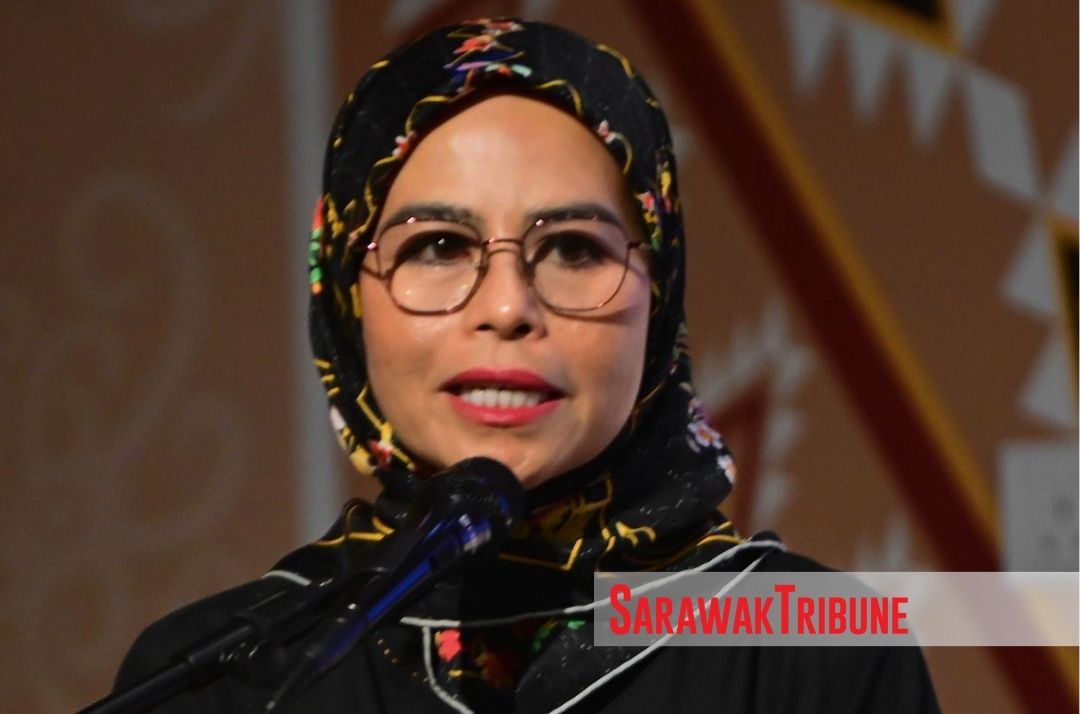
Minister of Plantation and Commodities Datuk Seri Dr Noraini Ahmad said the agricommodity sector is rapidly evolving through the adoption of agrotechnology, automation and digitalisation, increasing demand for a more skilled and technically competent workforce.
“The agricommodity sector today is no longer viewed as a traditional industry.
“It is moving quickly towards technology-driven operations involving automation and digital systems,” she said in her speech during the launching of TVET MyKomoditi 2026 programme at Dewan Pertubuhan Peladang Negeri Sarawak (PPNS) in Kota Samarahan today.
She noted that the sector recorded RM196.72 billion in export value in 2025, proving its importance as one of the country’s major economic contributors.
According to her, industries involving palm oil, rubber, cocoa, kenaf and timber continue to play a major role in generating income and employment opportunities, particularly in rural areas.
“We need highly skilled local workers with strong technical knowledge to ensure the sustainability and future growth of this sector,” she added.
Noraini said programmes such as TVET MyKomoditi are important in equipping youths with practical industry skills while helping shift outdated perceptions towards plantation and commodity-related careers.
“TVET is no longer just a second choice or alternative pathway.
“It has now become a premier route that offers stable careers, competitive income and strong future prospects”,she said.
She also encouraged youths, especially in Sarawak, to take advantage of opportunities available through TVET and become part of the future workforce driving innovation in green commodity industries.
“We hope Sarawak youths can become future experts and pioneers in areas such as sustainable energy and biomass innovation,” Noraini added.
The programme was also attended by Malaysian Plantation and Commodities Institute (IMPAC) chief executive officer Nazatul Niza Nordin and Sarawak Skills executive director Hallman Sabri.