BY NATASHA JEE and SHARIFAH NONG-JASIMA
KOTA SAMARAHAN: Universiti Teknologi MARA (UiTM) Sarawak Branch will be offering several new academic programmes to meet industry needs and the state’s development aspirations.
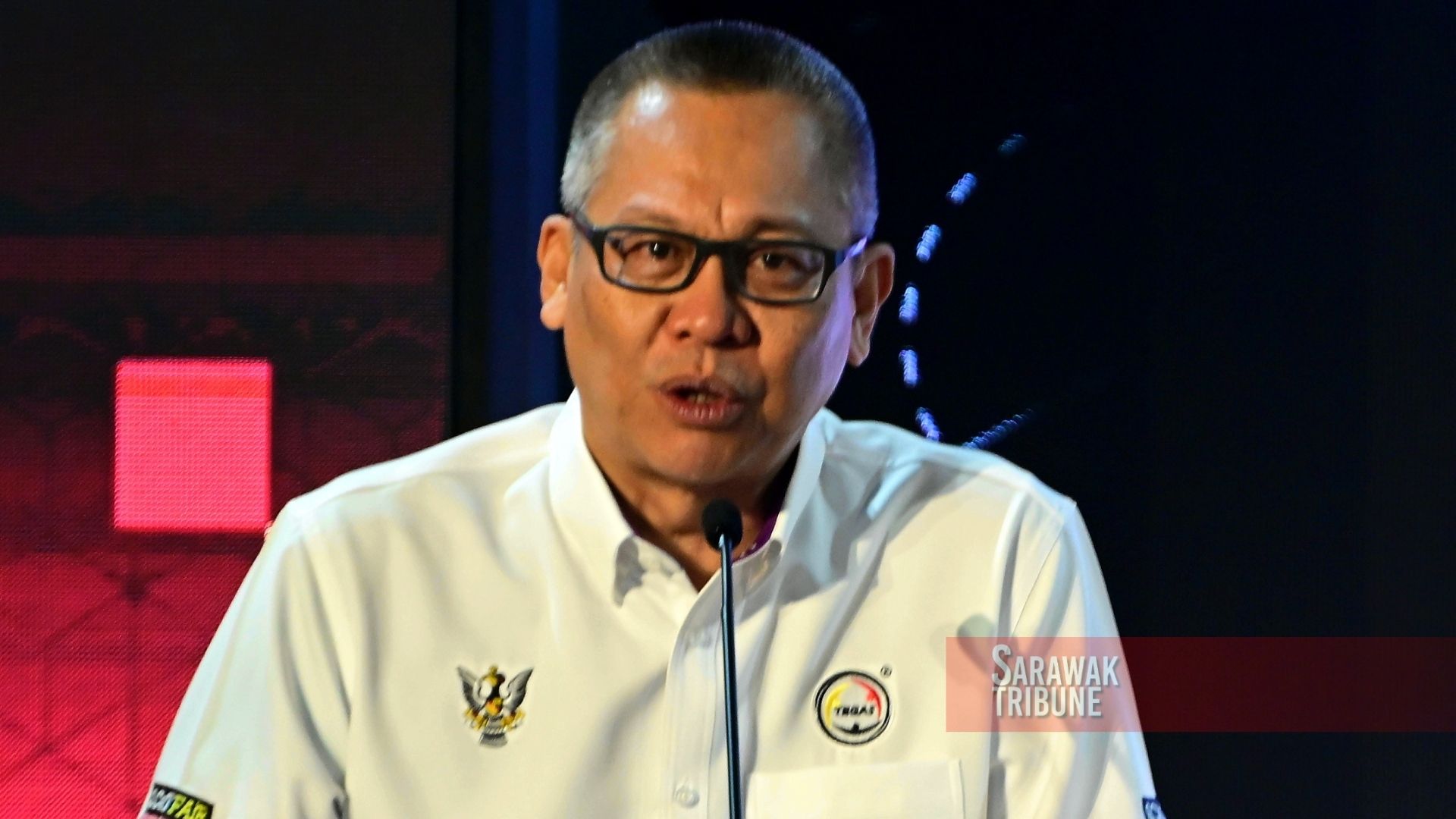
UiTM Sarawak’s Rector, Professor Dr Firdaus Abdullah, said the planned programmes include a Bachelor of Information Science (Library Management), degree in Halal Management, degree in Tourism, degree in Construction Management and several others.
“We already have a diploma programme in Information Science, so now we are planning to introduce it at the degree level as the state requires more specialists in information science and library management.
“As Sarawak State Library is also expanding, there is a growing need for more qualified librarians or experts in library science,” he said in an interview with Sarawak Tribune.
In addition, he said UiTM Sarawak will also be introducing degrees in Tourism and Halal Management, programmes that have previously only been available at diploma level.
“For instance, in Peninsular Malaysia, the halal course only accommodates about 60 students, yet thousands apply. So, we are bringing the programme to Sarawak, as the diploma level is already in place.
“The same goes for law, which is currently only offered in Shah Alam. There are a lot of lawyers here and so there are a lot of feeders for our Masters in Enforcement Law,” he said.
Other programmes to be introduced, he added, include a Bachelor of Park and Amenity Management and a Diploma in English for Professional Communication.
“These two programmes aim to support the state’s tourism sector, including through professional training as tour guides and park management in Sarawak.
“From a broader perspective, our future academic programmes always take into account the skills required by industry,” he stressed.
He added that UiTM Sarawak is committed to ensuring that all its new programmes are designed to support national and state development, while meeting the demands of industry and the community.
“From a broader perspective, the future of academic programmes must incorporate many components. The first is future skills. Based on the World Economic Forum 2025, industries will increasingly demand digital skills,” he said.
Thus, he said UiTM Sarawak has embedded elements such as artificial intelligence (AI), Internet of Things (IoT), cybersecurity and cloud computing across most of its academic programmes.
Firdaus said the second key focus was the integration of Sustainable Development Goals (SDGs) and Education for Sustainable Development (ESD).
“There are 17 SDGs, and we make sure our curriculum reflects them. ESD covers three aspects – economic, social and environmental sustainability. So whether you are studying engineering, accounting or architecture, these components must be there as well,” he said.
The third component, he added, was Environmental, Social and Governance (ESG), which has become a benchmark for companies worldwide.
“For public-listed companies, ESG ratings are now mandatory, and these scores influence decisions by foreign and international investors. Institutions of higher learning, therefore, have to incorporate ESG into their programmes now, not in the future,” he said.
He added that UiTM Sarawak is also placing strong emphasis on developing graduates who are ready to serve the community.
“For instance, we run the Service Learning Malaysia-University for Society (Sulam) programme, which requires students to actively engage in community work as part of their credited syllabus.
“Very few institutions of higher learning put strong emphasis on graduates being ready to serve the community. But, through Sulam, students must go out into society and carry out voluntary work with local communities and non-governmental organisations (NGOs),” he said.
He added the marks students obtained are not just based on academics alone, but also on their engagement, commitment and activities with the community.
“Now, we even have associations and student groups dedicated to voluntary work. And when I meet with industry leaders, I tell them if they need support for their corporate social responsibility (CSR) activities, just reach out to us. Our students are ready to serve, and they do so without expecting any reward,” he said.
He added that the goal was to cultivate a new mindset among graduates – one that encourages them to contribute to society voluntarily, without seeking any form of compensation.