KUCHING: Member cities of the UNESCO Creative Cities of Gastronomy network should be prepared to share not only their successes but also the challenges and setbacks they face, as genuine collaboration is built through transparency and mutual learning.
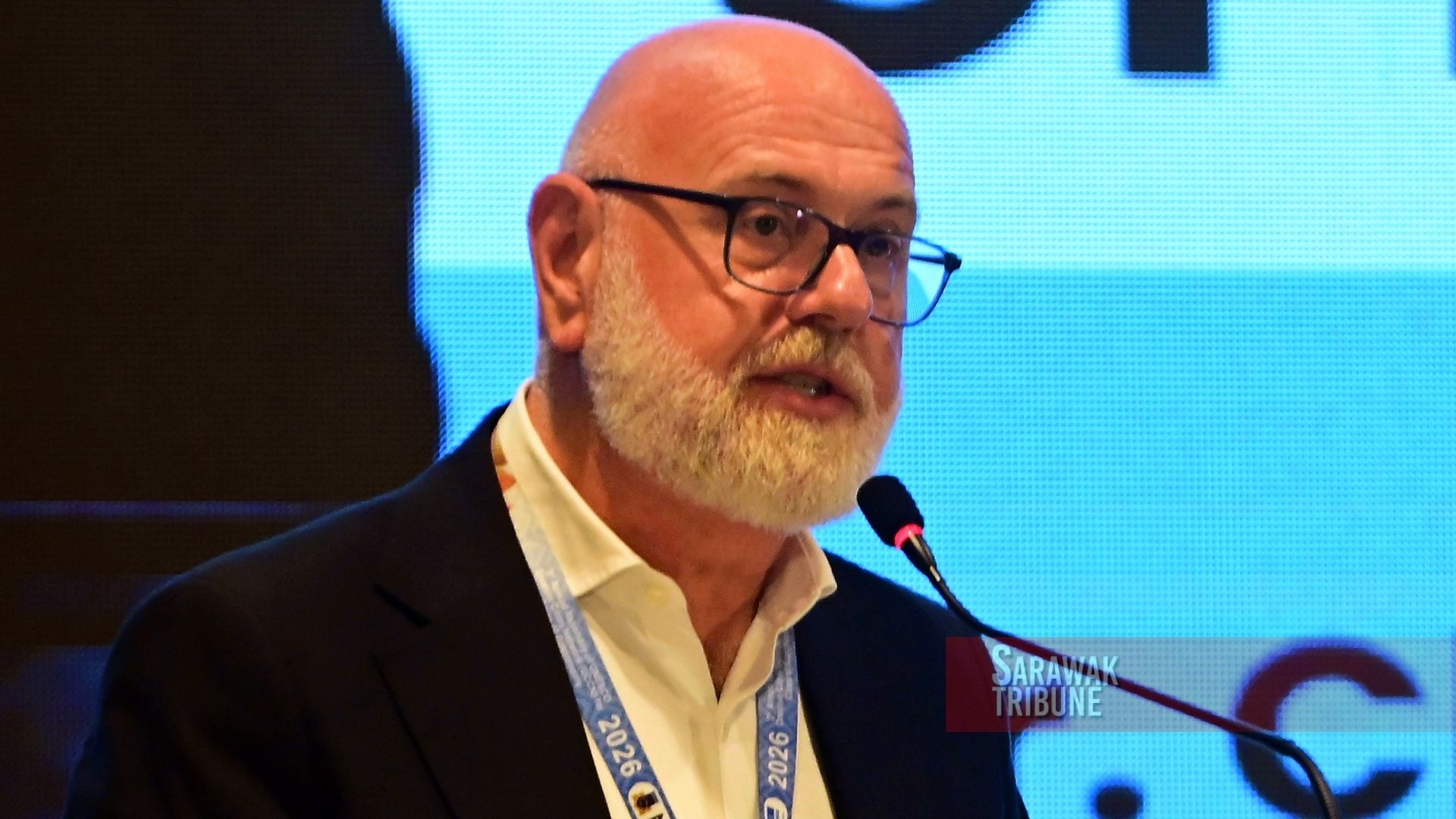
Cities of Gastronomy Subnetwork Coordinator Claudio Cecchinelli said the network has evolved into far more than a platform for showcasing achievements, becoming an important space where member cities exchange experiences, practical knowledge and solutions to common challenges.
“Working alone may offer the illusion of speed or leadership, but in reality, it creates inefficiencies and blind spots that only become visible when compared against other contexts.
“As creative and inherently friendly cities within an international network, we have learned a fundamental truth: the most effective way to carry heavy responsibilities is to rely on trusted partners.
“Over the coming days, we will discuss how to collaborate and generate genuine added value by learning from one another, sharing replicable formats, and openly reflecting on mistakes and unexpected setbacks.
“Indeed, being transparent about what didn’t work is often the most powerful practice for mutual learning and growth,” he said during the opening ceremony for the 2026 Cities of Gastronomy Annual Meeting on Tuesday (Aug 4).
The three-day annual meeting is bringing together delegates from UNESCO Creative Cities of Gastronomy around the world, representing the network’s 66 member cities, to discuss sustainable food systems, culinary heritage and urban development under the theme, “Preserving the Past, Feeding the Future: Gastronomy for Sustainable Cities.”
Cecchinelli said the meeting builds on previous annual gatherings in Phuket and Mérida, with delegates continuing discussions on shared challenges relating to food systems, culinary arts and nutrition while exploring practical solutions through international cooperation.
To guide the network’s future direction, he said member cities have identified three priority pillars for its current roadmap.
These include strengthening international cooperation between city administrations and local stakeholders, enhancing the exchange of experiences, practical knowledge and proven best practices, and aligning initiatives with the United Nations 2030 Agenda, particularly Sustainable Development Goal 11 on Sustainable Cities and Communities.
“Our network today is remarkably active, vibrant and constantly evolving. Every year, dozens of bilateral and multilateral initiatives take root, complementing the vast array of local projects led by individual cities within their own territories.”
Cecchinelli said the true strength of the network lies in cities coming together to exchange not only successful initiatives but also the lessons learned from challenges encountered along the way.
Throughout the meeting, delegates will hear presentations from 10 member cities showcasing projects that reflect the meeting’s sustainability theme, the UNESCO Creative Cities Network mission and the Sustainable Development Goals.
He encouraged participants to use the presentations as inspiration, adapt successful models to their own local realities and establish direct collaborations with the cities behind those initiatives.
“As our network continues to expand, we must also address operational realities. We need to structure our governance and communications effectively so that administrative tasks are streamlined, leaving us maximum time and energy to dedicate to actual joint projects.”
Cecchinelli also stressed that while periodic online meetings remain essential for maintaining regular communication, nothing can replace the value of face-to-face gatherings in fostering genuine dialogue, spontaneous exchange of ideas and stronger international partnerships.
“Looking ahead, the network will reconvene at the UNESCO Creative Cities Annual Conference in Essaouira, Morocco, from Nov 25 to 27, where cities across all creative fields will continue strengthening international collaboration.”