KUCHING: Sarawak’s growing gaming and animation industry should integrate child safety considerations from the earliest stages of design to create safer digital experiences for all users.
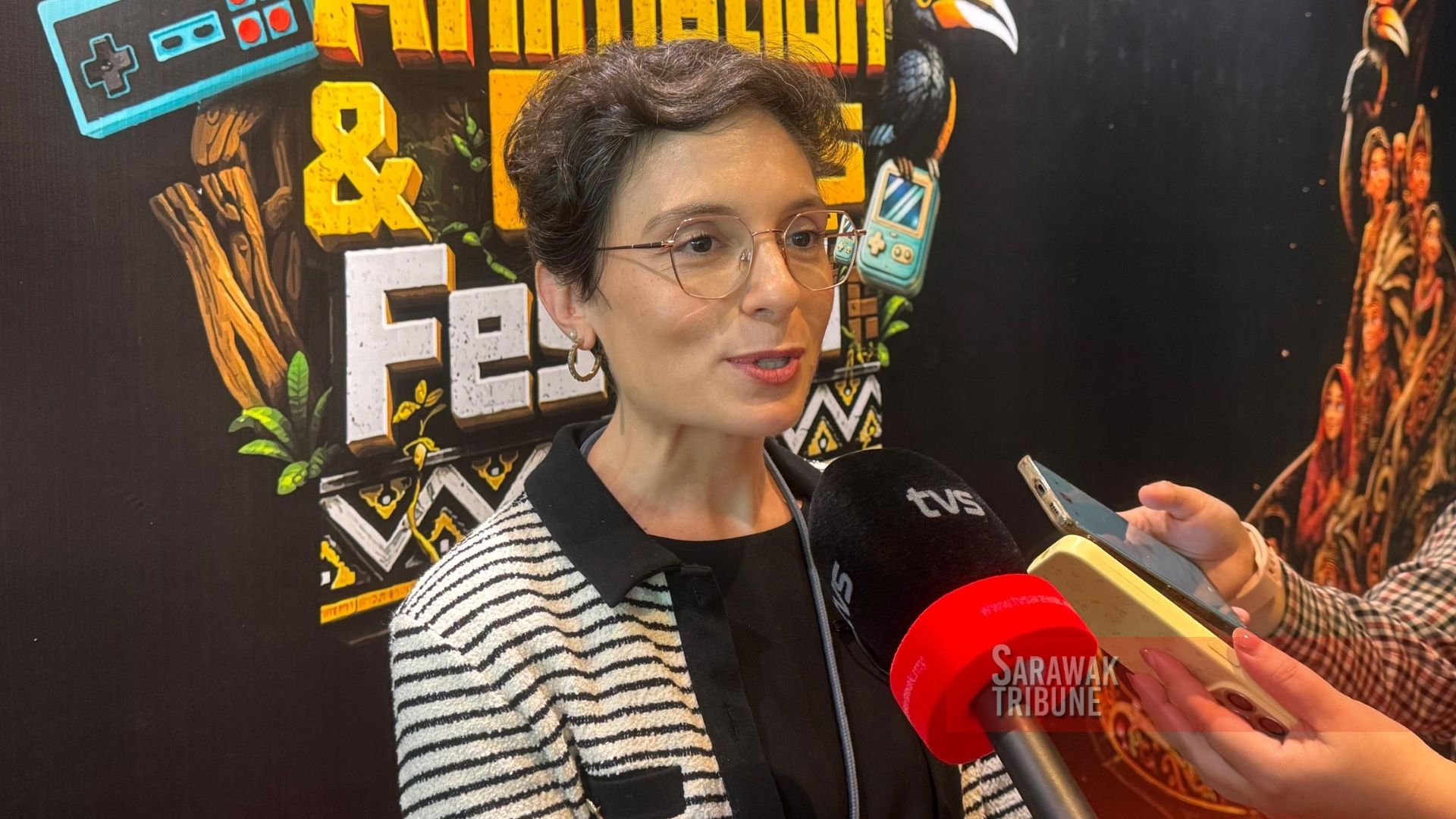
Child Online Protection Specialist, UNICEF, Josianne Galea Baron said developers should apply a child-centred lens regardless of whether their games were specifically created for children.
“I think it’s important to apply a child lens because children play all kinds of games,” she added.
Speaking to reporters at Borneo Animation & Games Festival (BAGFest) at Pullman Hotel here today, she cited that considering children’s needs during development could help identify potential risks more effectively.
She said UNICEF was encouraged by discussions with gaming companies during the event – describing the local industry as energetic, welcoming and open to ideas surrounding child safety.
Galea Baron said UNICEF was particularly interested in exploring how child safety considerations could be incorporated during the early stages of game development.
“We are in the business of creating solutions and tools and practical methodologies that companies, including early-stage companies, can really introduce and embrace as part of their processes.”
She shared that UNICEF had developed the RTECH 8 framework under its RTECH project, providing eight components for designers to consider when developing games.
According to her, the framework could serve as a practical guide for Sarawak-based developers and support stronger collaboration between UNICEF and the local gaming community.
She also welcomed a pilot initiative between UNICEF Malaysia and the Malaysia Digital Economy Corporation (MDEC), which would explore practical implementation of child-rights principles.
“This will be a structured process through which to start unpacking what implementation will look like and how to apply not only the Ritech principles,” she said.
Baron said participating companies would examine how their products, decisions and operations could affect children’s rights, safety and overall well-being.
She added that there were opportunities for further collaboration with Sarawak stakeholders, particularly as the state continued developing its gaming and animation ecosystem.
Galea Baron also stressed that developers should consider anyone below 18 when assessing potential risks, even when their games were not specifically targeted at children.
“No company needs to go through this alone,” she added.
She said companies could rely on UNICEF’s research, evidence-based frameworks and practical tools instead of developing child-safety approaches independently from the beginning.
Galea Baron encouraged developers to begin with simple measures, including referring to the RTECH design world poster and incorporating child-safety considerations into daily development practices.
She said adopting such measures from the outset could ultimately contribute to safer and better gaming experiences for children as well as other users.