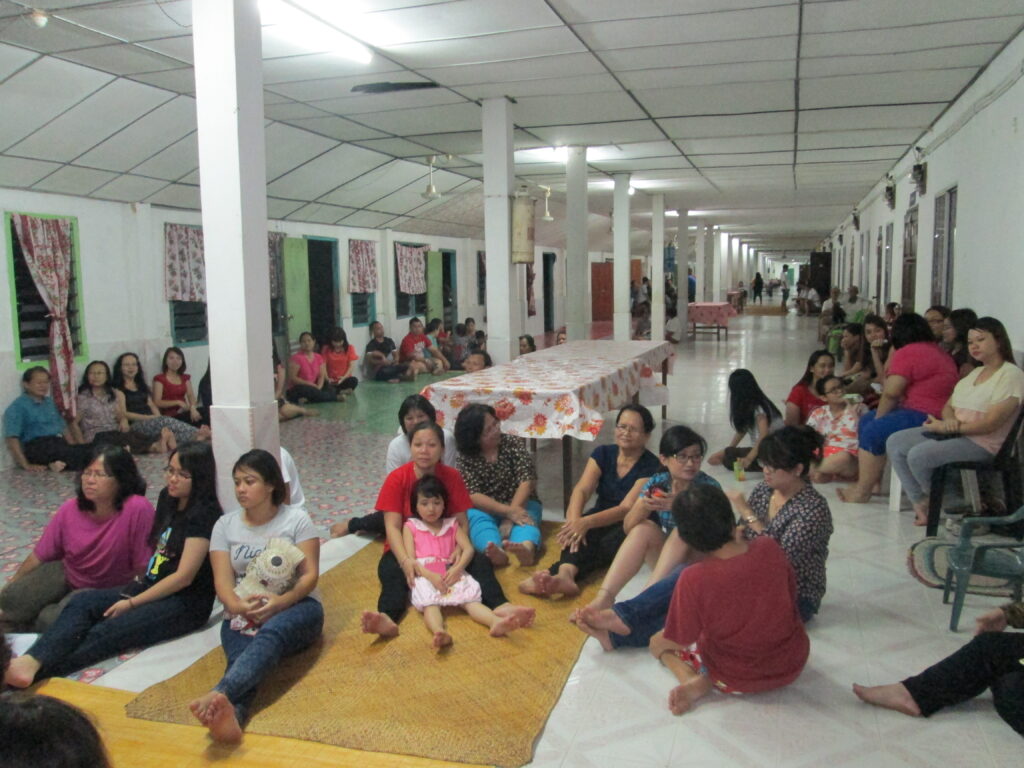
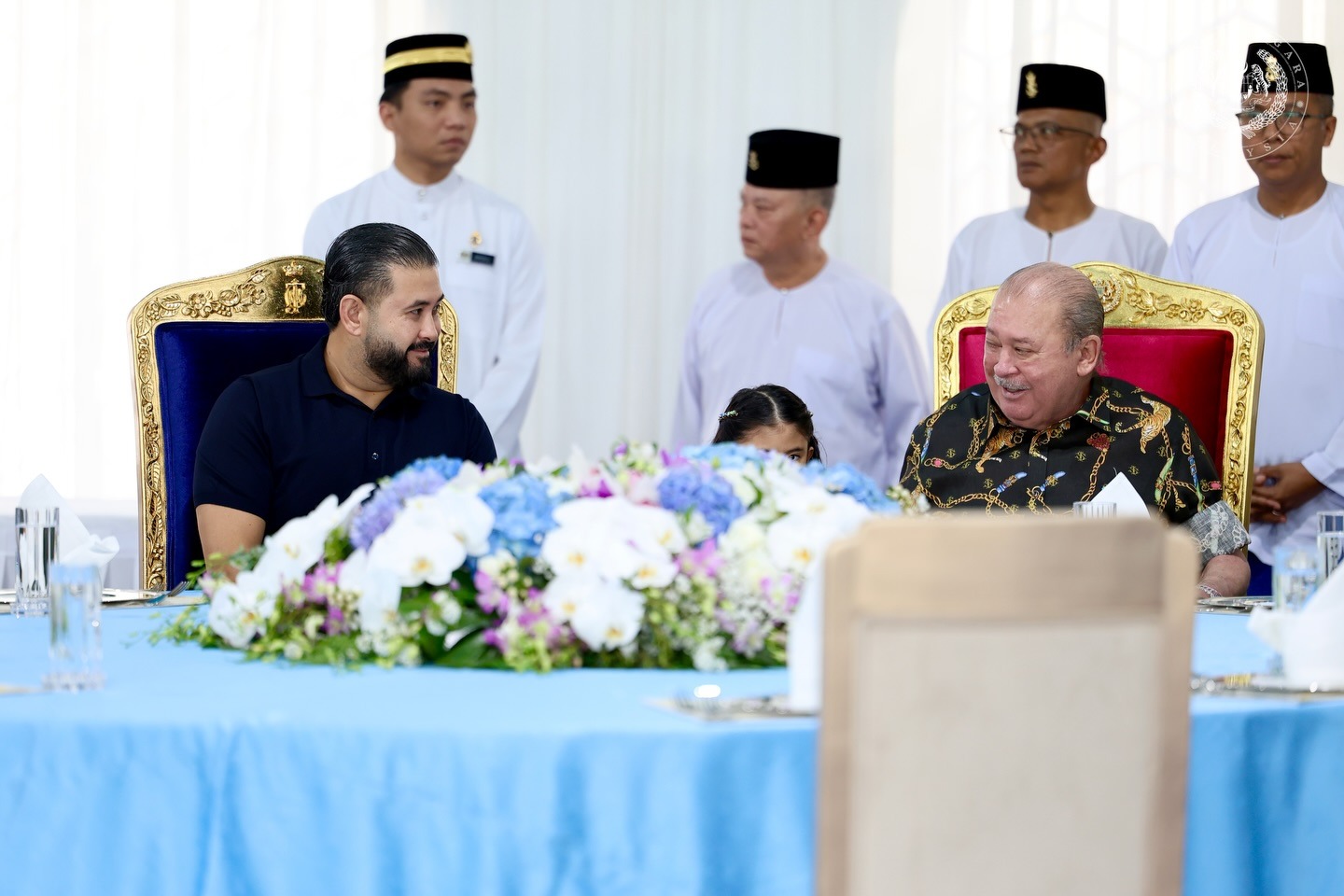
I FEEL that celebrations, gatherings and gotong-royong have always been great for keeping the Iban community united and in harmony, especially in the longhouses.
They bring people closer, strengthen bonds, and keep our sense of togetherness alive.
Having more of these social fusions would only make our close-knit community even stronger.
Since time immemorial, the Ibans have always busied themselves in communal gatherings and projects, doing these out of necessity, social and ancestral obligations as well as out of enjoyment.
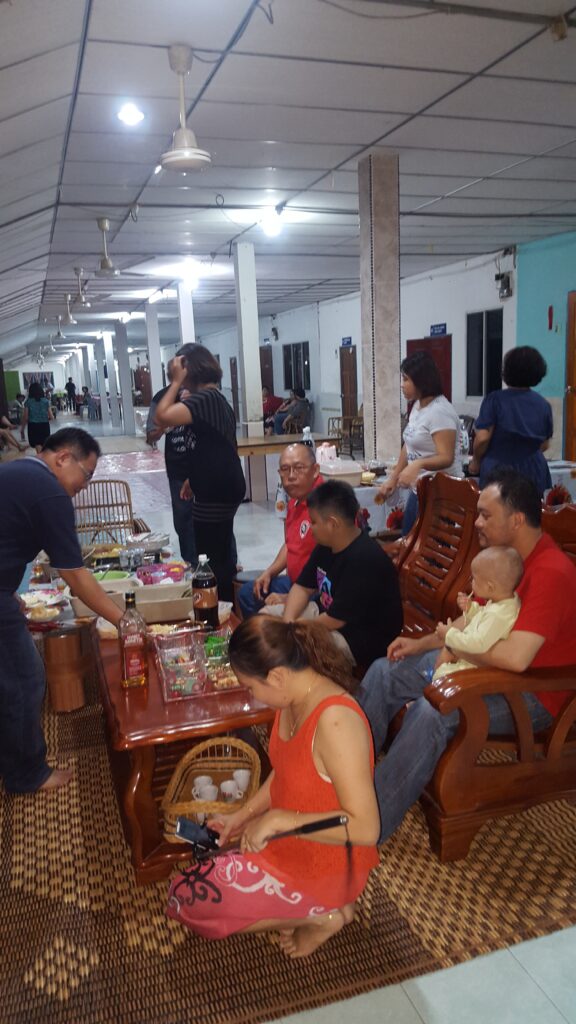
As a tribal community, the Ibans enjoy socialising and bonding. It is part of their daily life and survival whereby a person cannot become an island.
Everyone must be friendly, supportive and ready to share the daily challenges and chores with family and neighbours.
Every longhouse resident has to be a team member, joining others to complete a project aimed for the mutual benefits and wellbeing of all within the community.
It is for this common benefit that a member of the Iban community has to be a social being, committed to the ideals of social equality and egalitarianism or classlessness.
For this reason, we always treat each other as equals. There may be scores of graduates altogether present at an occasion for the longhouse, but the longhouse chief or Tuai Rumah is the man in charge, though he may not have any secondary school education at all.
He is respected for his wisdom and leadership. At our Kedap longhouse in Saratok, TR Robert Lin Malina, 70, has attended secondary school and was my Form 1 to Form 3 classmate in Saratok Secondary School and has equipped himself with extra skills in the shipping industry.
He has produced children who are varsity and college graduates and leads the longhouse well, a longhouse with more than 20 graduates. Hereby, I exemplify this narrative based on our own longhouse.
This is vital in ensuring the planned social programmes of the longhouse are adhered to strictly, thereby achieving the ideal goals.
Normally, the Tuai Rumah is also the chairman of the Village Development and Security Committee (JKKK). In that capacity, he oversees the working of this committee and is directly involved in the planning of the various programmes and projects that would contribute to the social wellbeing, unity and harmony of the longhouse population.
Among programmes or items that are held for common benefits include community projects in and outside the longhouse.
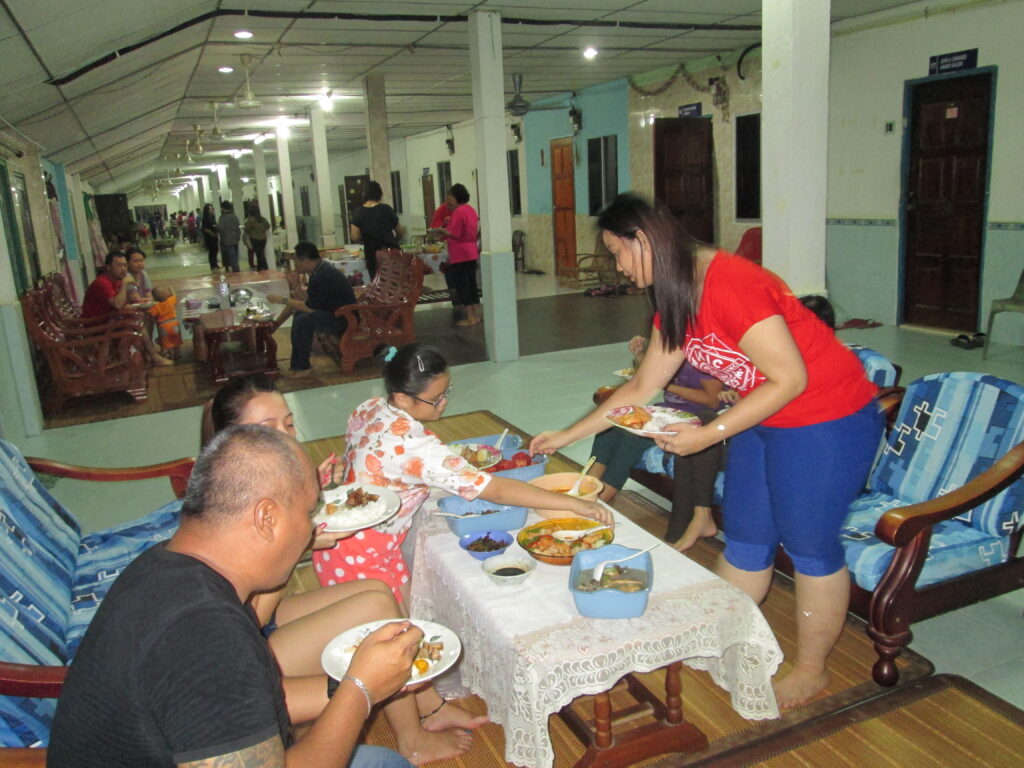
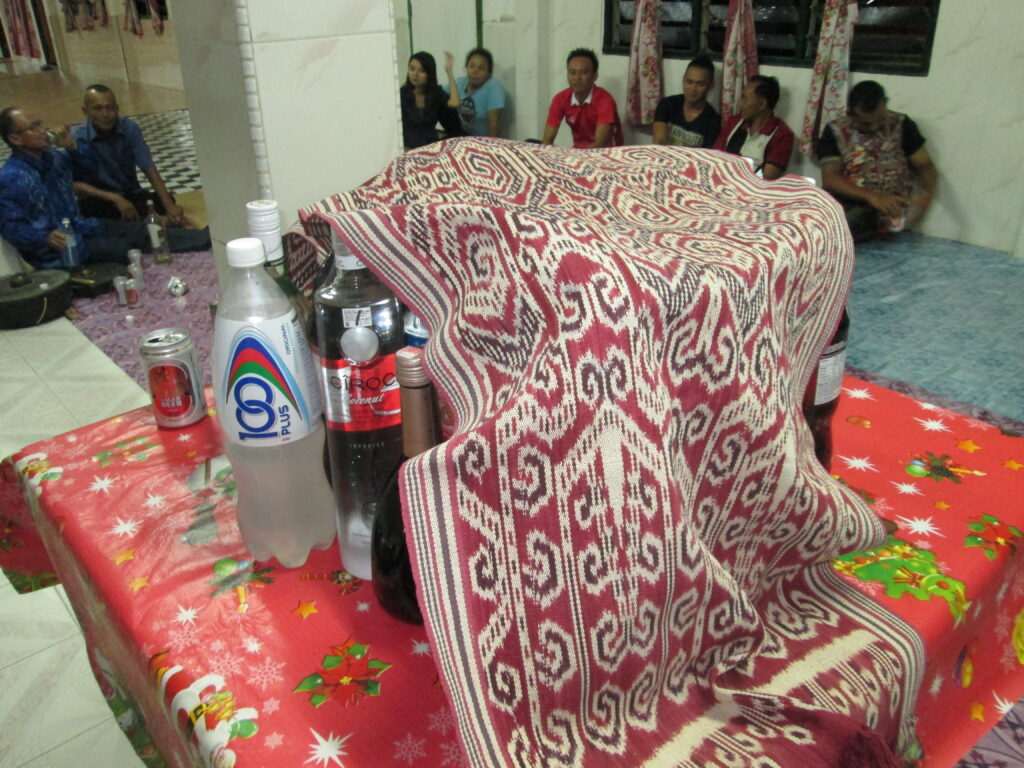
These could be farming duties, rituals and ceremonial celebrations as well as social events that are done for pleasure, out of necessity, piety as well as ancestral and filial obligations.
Also included in these are hunting and fishing parties involving the community which are very interesting pursuits and events that many people, both men and women, young and old, do get involved and are a welcomed change to the slow momentum of the usual longhouse life.
For example, a fishing trip to an upriver with plenty of fish may take up a whole day starting morning at 9:00 am and ending at late afternoon. This rendezvous involves locating the best site to start ‘disturbing’ the fish by non-poisonous means.
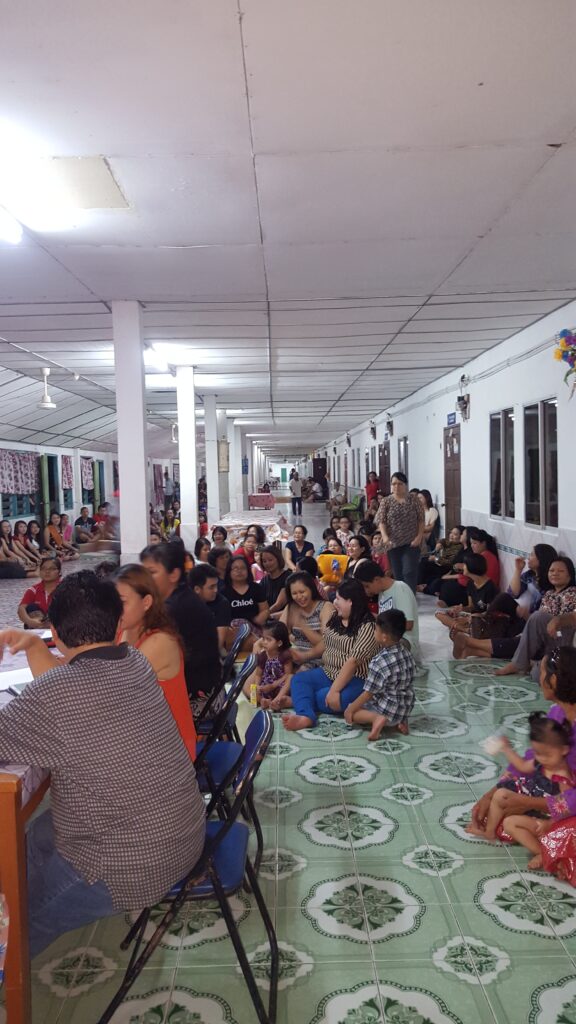
Nets are used to trap the fish whereby one group is to draw the fish out of their hiding and chase them downriver and get trapped into a net or nets put up in waiting by another group there.
In Iban, this act is called ‘beburu’. It can be done on a wider scale at any main river whereby boats are used, or it is easier if done on a stream whereby there is no necessity for any boat to be used. Personally I prefer the latter though I have taken part in both many years ago.
Once, our trip to an upriver stream was on foot and took almost two hours to reach the starting spot. Three persons were involved in bringing and preparing lunch dishes and items for the more than twenty people in the trip.
So it was more or less like a picnic for us. Deep in the jungle of Ulu Kedap, we found that each other’s company was all that we had.
Suddenly a sight of another human being became very vital among the sounds of birds, insects and shrieks of monkeys as well nondescript murmurs of the bushes.
I found that in that closeness to nature, one’s value of a fellow human went up the farthest. It is said that people experiencing the situation will certainly value true friendship.
This is the kind of friendship that remains everlasting. In a hunting trip for example, those longhouse residents joining the hunt need to go as a team.
There must be extra care needed as one team goes for the chase, and one is waiting with guns ready to fire. Any careless act could lead to any wrong target or misfire.
There had been a few isolated cases in the past of ‘wrong target’ or ‘misfire’ whereby a fellow hunter became the ‘wrong target’ and a life was lost due to ‘miscommunication’ and faulty planning.
During a hunting trip that I joined nearly 60 years ago, we brought spears and knives only. No gun was allowed.
The real hunt began when the dogs started barking. I remember throwing a spear at the smaller of two wild boars but missed. It was my older brother Jon who speared the bigger one badly and the dogs did the rest, including powering over the smaller one that I missed.
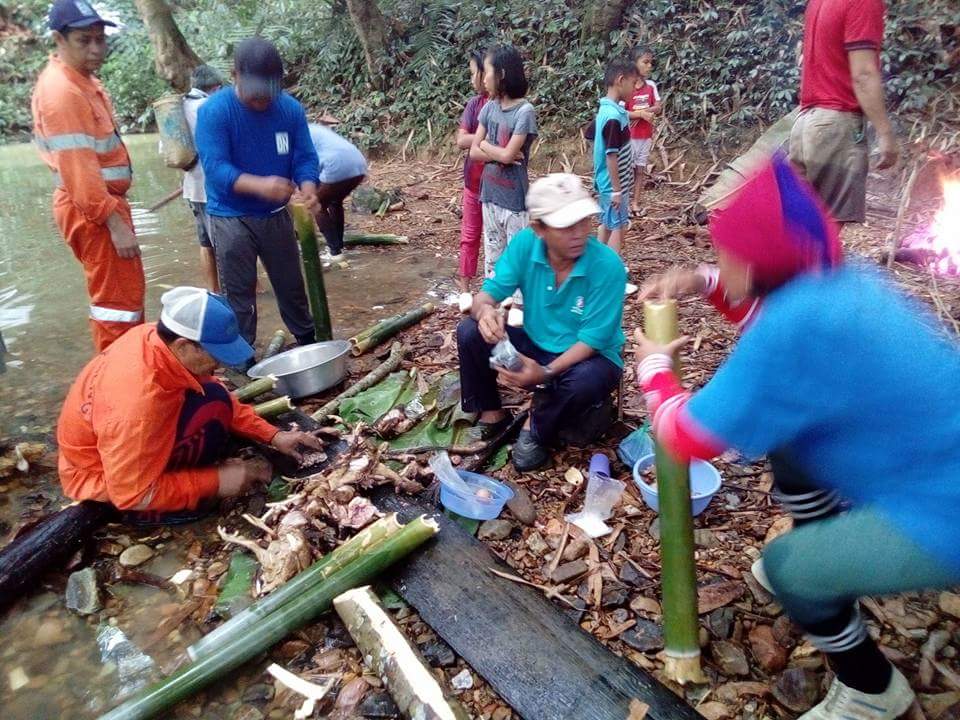
Later, they were awarded with the bones of two wild boars that the party of about 25 caught. We also caught one ‘tenggiling’ (anteater) – it was so easy to catch as it would roll into a ball and became immobile, but its scale was impenetrable by any blade.
In terms of the farming duties of ‘beduruk’, namely working in big group of mutual assists on a rotation hosting basis, not only is this form of community work socially interesting, but it certainly helps to lighten the burden, especially pertaining to clearing the undergrowth ‘nebas’ and felling of trees ‘nebang’ and dribbling ‘nugal’.
‘Beduruk’ has been an integral part and parcel of Dayak hill paddy shifting cultivation pursuits since the time of our forebears.
Apart from being a form of working package, it also forms a strong socialisation process. It allows giving and taking, mutual understanding, sharing of highs and lows, sharing of experiences and most of all accepting each other as equals, and it truly promotes bonding among all in the group.
It is the very basis of egalitarianism. To help further enhance longhouse unity, longhouse folks share with each other fruits, vegetables, fish, prawns, jungle products as well as games caught in hunting and other items, including rice, noodles and lots more.
This sharing ‘bedua’ (divide equally) is a tradition brought down from our ancestors. It started from sharing communal fruit trees whereby when these trees bear fruits, those with claim to the trees would jointly pluck the ripe fruits and then share them.
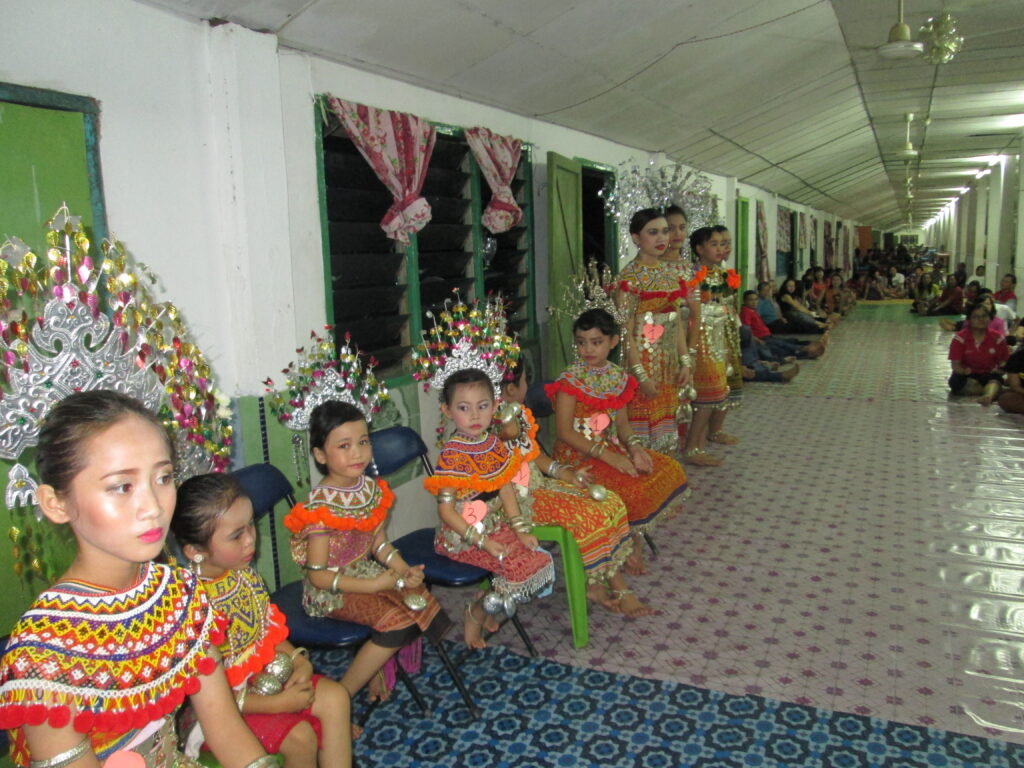
Among the popular co-owned trees are durian, jack fruits, mangoes, mangosteen, dabai and rambutans.
Most Ibans in the longhouse and urban areas look forward to festivals, especially Gawai Dayak, that is for sure to be held and celebrated annually on June 1 and 2.
Most longhouse folk look forward to the Gawai eve on May 31 as the real festival whereas on Gawai proper, most celebrants are a spent force, having enjoyed the eve with traditional rice wine ‘tuak’ and other alcoholic drinks.
Marriages are usually celebrated during the Gawai festive season too. These are occasions that longhouse residents enjoy holding or just being part, not minding the expenses that they may incur.
After all, the Ibans have a penchant for parties and festivals. These in fact help to sustain their unity and harmony.
I see it relevant to share with readers on this perspective of together celebrating in unity and harmony among the Ibans, especially those staying in longhouses.