PART 1
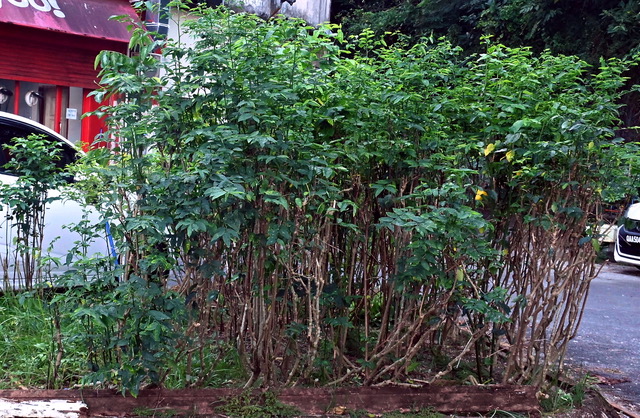
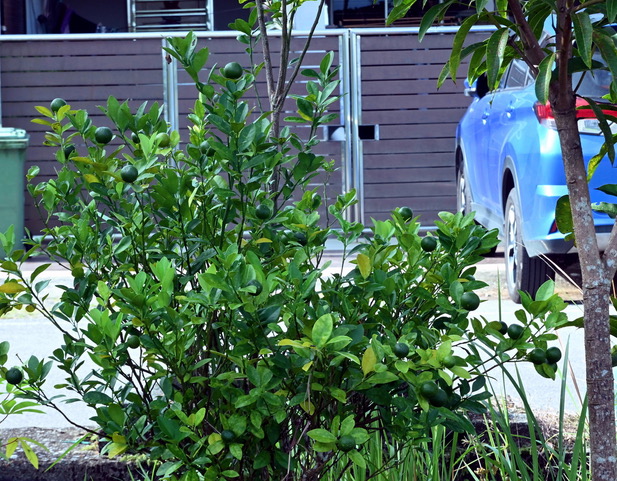
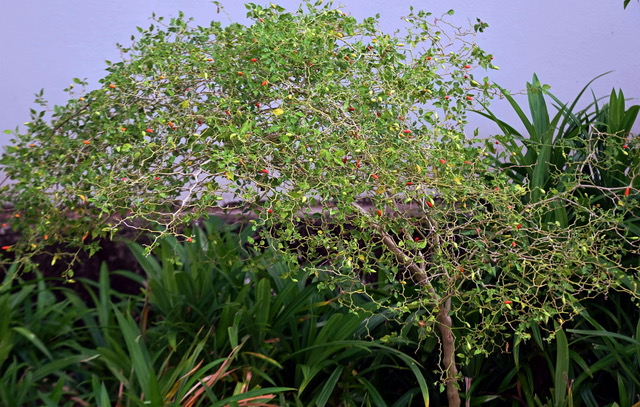
IN almost every corner of Kuching, a hint of green lingers. One can always spot lime trees by the gate, pots of ulam on apartment balconies, and herbs sprouting from recycled tubs along back alleys.
What may appear to be a simple pastime may be, in truth, one that connects city dwellers to their environment, culture, faith and wellbeing.
That quiet connection is what drew Canadian researcher Dr Melody Lynch, a geographer from McGill University, Montreal to the city.
She had worked across Southeast Asia since 2013, including in Indonesia’s Wakatobi Islands, before turning her attention to Kuching – a place she calls “a leader in the Healthy City movement in Asia.”
“Kuching is a City of Unity where people from diverse backgrounds live together in relative harmony.
“I thought that was really interesting and when I came here, I realised there wasn’t much literature written about urban agriculture in Kuching.
“Yet almost everyone has a papaya tree or something growing in their yard. So it’s the perfect place for research on the topic,” she told Sarawak Tribune.
Together with Universiti Malaysia Sarawak (UNIMAS), she carried out over a hundred interviews and soil analyses in gardens, ranging from small home plots to community and rooftop farms.
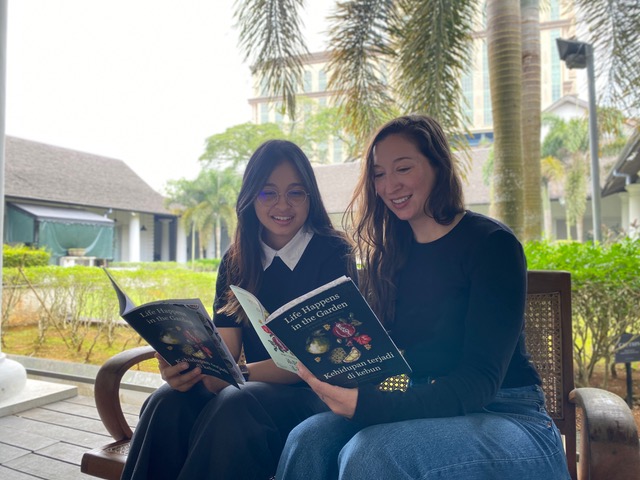
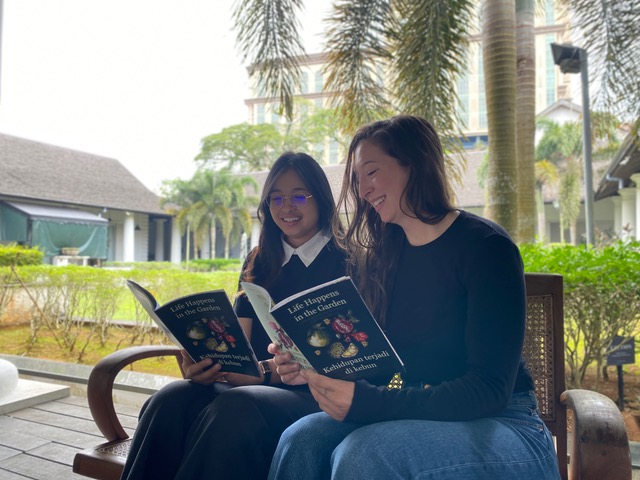
Among those assisting her was Feniellia Diwvya, a UNIMAS master’s graduate who has helped guide her fieldwork around the city since the project began.
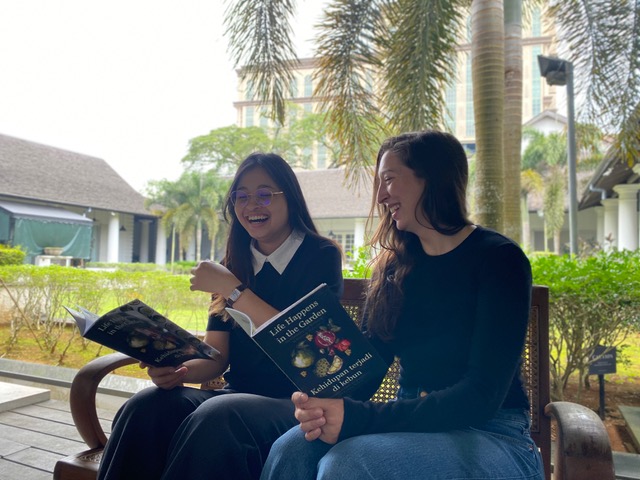
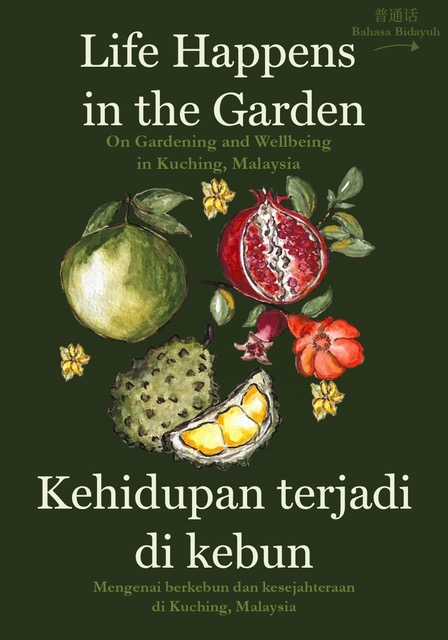
Lynch, who later published her findings in an illustrated booklet titled “Life Happens in the Garden: On Gardening and Wellbeing in Kuching, Malaysia”, said the project deepened her understanding of how city life and nature coexist.
Faith, culture and the seeds of connection
One thing that stood out most in their findings was not simply what people grew, but why they grew it. In Kuching, gardening was often rooted in spirituality and cultural identity.
Feniellia explained that people of different faiths tended to cultivate certain plants for religious use — a connection rarely discussed in research elsewhere.
“For some Buddhists, fruits like pomelo and pomegranate are planted for temple offerings or for good fortune,” she explained.
“Some Christians grow palms for Palm Sunday, while some Muslims share their harvests as ‘sadaqah’.”
To Lynch, this spiritual dimension reflected Kuching’s unique social fabric, where people of different faiths and cultures find common ground through gardening.
“Despite coming from various backgrounds, people here use their gardens in similar ways to express gratitude, generosity and devotion,” she said.
“It’s something truly special that I haven’t seen much written about in other cities.”
Tradition meets technology
Their study covered a spectrum of practices, from informal backyard plots to community farms and urban rooftops equipped with smart hydroponic systems.
Lynch believes this diversity is key to Kuching’s urban identity.
While new technologies reflect the city’s ambition to become a ‘smart’ and sustainable metropolis, she cautioned that traditional agricultural knowledge passed down through generations must remain part of that progress.
She asserted that to build a truly sustainable and resilient city, it is vital to preserve the diversity of gardening practices that connect modern life with traditional roots.
“Sometimes when people have an agricultural background and bring it into the city, continuing to practice traditional forms of farming, it becomes a form of cultural continuity.
“It connects them to their roots, and we know that this contributes to wellbeing in a very profound way. That’s why it’s worth continuing such practices and passing on local knowledge to younger generations,” she explained.
Feniellia agreed, noting that almost every local household, regardless of ethnicity, maintains at least one plant that ties back to its roots.
“Even when children move to their own homes, they bring that habit with them. They’ll always have a small pot of pandan, some lemongrass, or a papaya tree.”
Gardening for the mind and spirit
Beyond its cultural significance, the research also highlighted the emotional and psychological benefits of urban farming.
Lynch found that many homemakers, retirees and people with limited mobility described gardening as a space of calm that gave them purpose and pride.
“It allows them to contribute to their community in a positive way, and that’s really valuable. It’s something we should always remember when planning for,” she said.
That sentiment became even more pronounced during the COVID-19 lockdowns, when urban farming took on new meaning.
“When we couldn’t go anywhere, people turned to their plants,” Feniellia recalled. “They found comfort in caring for something and seeing it grow. It helped them cope.”
Lynch added that the act of gardening often transforms how people perceive the environment.
“At first, some may complain about pests or dirt,” she laughed.
“But after a while, they start to see how everything is interconnected — and that awareness builds empathy for nature and others.”
Feeding a city, sustainably
The duo also explored how home gardens contribute to food security in Kuching.
Lynch pointed out that even the smallest gardens can make a difference for low-income urban families, offering them access to fresh and healthy produce.
“Sometimes it’s their only source of fruit and vegetables,” she said.
Their mapping identified over 3,500 urban gardens across the city, though the true number is likely higher.
Lynch said this suggests that home gardeners collectively help feed thousands of people in Kuching through their own produce.
“There could be more. Those are just the ones we managed to map, but there are definitely others out there,” Feniellia noted.
Lynch emphasised that urban agriculture is far more than a hobby.
“It’s part of Kuching’s food system — economic, social and cultural,” she said.
“Even at these very micro scales, when people grow and eat what they plant, it becomes part of their food system.
“When they sell some of it to their neighbours, maybe just a few fruits a day, that’s part of the economic and food systems. And when they share it, that’s part of the social system.”
She believes that protecting the diversity of gardening, from smart systems to traditional plots, is essential for long-term sustainability.
“Urban agriculture helps people reconnect with nature and realise how interconnected we all are. By encouraging both smart and traditional farming, we can build more resilient and sustainable communities.”
Challenges beneath the surface
Yet even as Kuching’s gardens flourish, challenges remain.
Many gardeners struggle with access to land, training opportunities, or small-scale funding for tools and fertiliser.
Some have adopted organic or natural farming practices but face difficulties managing pests without chemicals.
One of the most serious concerns, however, lies beneath the soil. Lynch’s study found traces of heavy metals — particularly lead — in some samples, a result of pollution from open burning of plastics, among other sources.
“Lead doesn’t decompose,” Feniellia explained. “It can stay in the soil for decades and be absorbed by plants.”
Lynch added that exposure can be especially harmful to children and those with poor nutrition.
“It’s not to discourage people from gardening,” she said, “but to raise awareness. We can keep growing, but we also need cleaner air and better waste habits.”
She also hopes to see local authorities take steps to address these issues, including micro-grants and more training for safe urban farming practices.
“I think the government can continue encouraging people to grow their own food by allowing vegetable gardens and promoting them as part of a Healthy City. It’s important to maintain diversity, not just focus on smart farming.
“The government can also provide small funding opportunities to help people access raised beds and other materials, offer basic training, and address policies that restrict the burning of plastics to improve food safety,” she explained.
A greener future
Despite the challenges, both researchers remain optimistic. Kuching, they said, has the natural potential and community spirit to lead by example.
Movements like the Kuching Urban Farm (KUF), which holds bi-monthly farmers’ markets and seed-sharing sessions at Kuching South City Council (MBKS), have already become learning grounds for aspiring gardeners.
“People can go there if they want to start farming but don’t know where to begin. It’s a great local resource where others share what works specifically in Kuching.
“They’re really open to helping, training, and passing on their knowledge. That’s how people can get involved — by sharing what they know within the local context,” said Lynch.
As Kuching moves toward becoming a smarter and greener city, its future may well be rooted in the same soil that nurtures its past.
In the hum of the city, between walls and fences, small gardens continue to bloom — carrying with them the stories of faith, heritage, and healing.
Lynch also hopes that future housing designs will include green spaces to keep the practice thriving.
“Not everyone will want to farm,” she added. “But I think we can definitely encourage it. So many people are already doing it.”