BEIJING: The US has long accused China of enabling the fentanyl trade, which officials say is now the leading cause of death among Americans aged 18 to 45.
Washington estimates that the synthetic opioid — 50 times stronger than heroin — kills tens of thousands yearly.
The US Drug Enforcement Agency calls China the “main source” of fentanyl-related substances trafficked into the country.
While Beijing’s 2019 crackdown reduced direct shipments, chemicals used to produce fentanyl still flow to Mexico, where cartels manufacture and smuggle the drug across the US border.
Many of these chemicals remain legal in China, complicating enforcement.
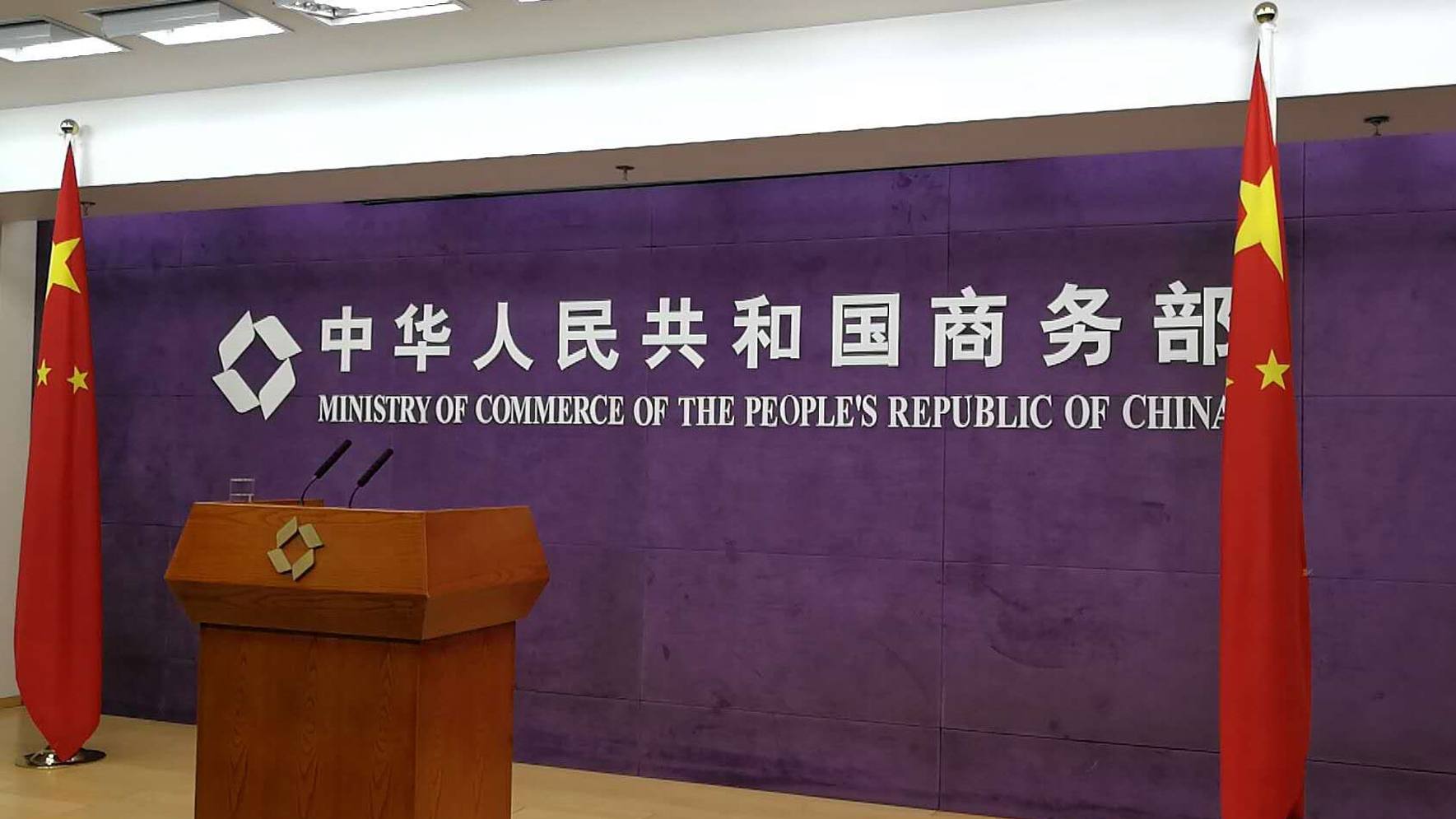
China insists there is “no illegal fentanyl trafficking” between it and Mexico and has pledged stricter controls.
However, tensions over the issue escalated in 2023 when Washington imposed sanctions on over two dozen Chinese entities allegedly supplying fentanyl precursors to Mexican cartels and US traffickers.
Beijing condemned the move, accusing the US of using “pressure and sanctions” as a political tool.
Despite strained relations, a 2023 summit between US President Joe Biden and Chinese President Xi Jinping revived drug-control talks.
Beijing later tightened regulations on key fentanyl precursors, though experts doubt these curbs will fully disrupt trafficking.
Manufacturers rapidly develop new variants to evade restrictions, while money laundering networks, often involving Chinese criminal gangs, continue to sustain the trade.
Analysts suggest China’s cooperation hinges on broader US-China relations.
“With allies, Beijing extends law enforcement cooperation,” said Vanda Felbab-Brown of the Brookings Institution.
“With adversaries, it withholds it.”
Whether tariffs or diplomacy will spur tougher action from Beijing remains uncertain. – AFP