This final instalment of the four-part feature on vanilla cultivation in Sarawak explores the state’s long-term vision for positioning vanilla as a high-value crop with global potential.
LONG prized for its distinctive aroma and flavour, vanilla could soon emerge as a new economic driver for Sarawak’s agriculture sector, as the state government sets its sights on diversifying high-value crops beyond the usual staples.
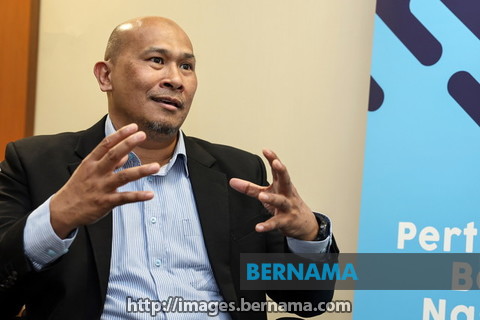
Deputy Minister for Food Industry, Commodity and Regional Development, Datuk Dr Abdul Rahman Ismail said vanilla’s global potential makes it an attractive choice for farmers and investors.
High Value, Untapped Potential
While Sarawak has yet to see large-scale vanilla cultivation, small firms and individual growers have started experimenting with the crop, processing and marketing their produce independently.
“Vanilla is not new. It is a global commodity, widely used in ice cream, food and beverages. In terms of flavouring, it is one of the most valuable products in the world, second only to saffron,” said Dr Abdul Rahman, who also chairs the State Farmers’ Organisation (PPNS).
He added that this early interest in vanilla reflects its strong market potential. Fresh vanilla pods can fetch between RM80 and RM150 per kg, comparable to premium durian varieties such as Musang King, and can be harvested within just two and a half years.
“By 2030, our target is to raise farmers’ household income to at least RM15,000 per month. That is why we are promoting crops with high market value such as vanilla. The key is ensuring there is a stable market, which is why we are encouraging the anchor company model.”
Dr Abdul Rahman explained that anchor companies play a crucial role in marketing, describing oil palm as an example of a “complete commodity” — with an established chain from research and development (R&D) and cultivation, all the way to processing and marketing.
“To encourage farmers to participate in agriculture seriously, we need to strengthen the entire supply chain. From R&D and cultivation to processing and marketing, it must be complete.
“But the hardest part is always marketing, and that is where we need support from the private sector. This is why the anchor company concept is important.”
Nurturing New Agropreneurs
One promising example Dr Abdul Rahman cited is My Kebun Vanilla, a farm in Serian, run by JF Agroforestry. Its founder, Chai Bao Yi, a young Sarawakian with an engineering background, has turned to smart farming, using Internet of Things (IoT) technology to monitor more than 1,000 vanilla plants.
He said he was impressed with the approach following his visit to the farm recently, adding that such a blend of technology and agriculture will spark interest among the youths.
“This is exactly the kind of youth participation we want in agriculture, using innovation and technology to transform traditional farming. That is why we encouraged him to become an anchor company for vanilla.”
As an anchor company, he said My Kebun Vanilla will serve as an off-taker, purchasing produce from surrounding farmers in Serian who choose to plant vanilla, whether fresh or processed. This model, Dr Abdul Rahman stressed, provides the marketing assurance that smallholders often lack.
Building Right Ecosystem
While cultivating vanilla is possible with patience and care, ensuring reliable market access remains the bigger challenge.
The state government, through M-FICORD, is committed to providing the foundation for such ventures. This includes basic infrastructure such as roads, water supply, electricity and telecommunications, as well as financial assistance through the Sarawak Agro Fund, managed by Sarawak Land Development Board (SLDB).
Although there are no crop-specific grants, agropreneurs can apply for funding and loans to develop vanilla projects.
“We will also help with import and export procedures where needed. The government’s role is to create an enabling environment so that serious farmers and companies can succeed,” Dr Abdul Rahman said.
Integrating Vanilla Into Focus Crops
While Sarawak’s main promotional crops include durian, banana, coconut and pineapple, Dr Abdul Rahman has instructed his ministry and the Department of Agriculture to list vanilla as one of the focus crops, citing its high value and compatibility with Sarawak’s climate and soil.
Research collaboration with universities such as Universiti Putra Malaysia (UPM) and Universiti Malaysia Sarawak (Unimas), as well as Malaysian Agricultural Research and Development Institute (Mardi) and the state’s own R&D facilities in Semenggok, will further support vanilla’s development.
“Vanilla is very suitable for our climate. Unlike seasonal crops, it can be cultivated year-round. With strong demand and a good price, this is a crop worth investing in.”
He said the government is ready to support vanilla cultivation, given the crop’s vast market potential and strong prices.
“The crop can begin producing within just two and a half years. While it requires careful maintenance, the returns are worth it. What matters most is that there is a reliable market, which is why we encourage new farmers to seriously consider vanilla as a viable option.”
Creating Space for Future Farmers
To open opportunities for aspiring agropreneurs who lack their own land, he said the state is developing Sarawak Agrotechnology Park (SARTECH) in Semenggok and Tarat and agroparks in areas such as Sarikei, Betong, Samarahan, Sri Aman, Mukah and Miri.
These sites will feature smart farming infrastructure, IoT systems, automation and AI applications, and will be available for lease at affordable rates.
The difference between the two, he explained, is that agroparks focus on commercial farming activities by individuals or small organisations on leased land, with an emphasis on profitability and marketing.
SARTECH, on the other hand, such as those in Semenggok and Tarat, are larger and more comprehensive, incorporating industry reference centres, animal hospitals, research facilities and high-tech integrated farms.
“Vanilla farmers are welcome to apply for space in these agroparks. Plots of up to 10 hectares are available, and they can even start before the full infrastructure is completed. This ensures that young people and new players can join the industry without being held back by land ownership.”
A Crop With Promise
For Sarawak, vanilla offers both economic and symbolic promise: a way to diversify beyond traditional commodities while giving local farmers, especially youth, a foothold in global value chains.
Dr Abdul Rahman is confident the crop could help strengthen the state’s vision of becoming a net food exporter and achieving high-income status.
“For me personally, I strongly agree that vanilla should be one of the crops we prioritise. The ministry and the department are committed to supporting this industry because it can transform farmers’ income and place Sarawak on the global map for high-value agriculture.”
With Serian identified as the starting point, vanilla could soon shift from being a niche experiment in backyards and small farms to a thriving industry, one that not only flavours food worldwide but also shapes Sarawak’s agricultural future.