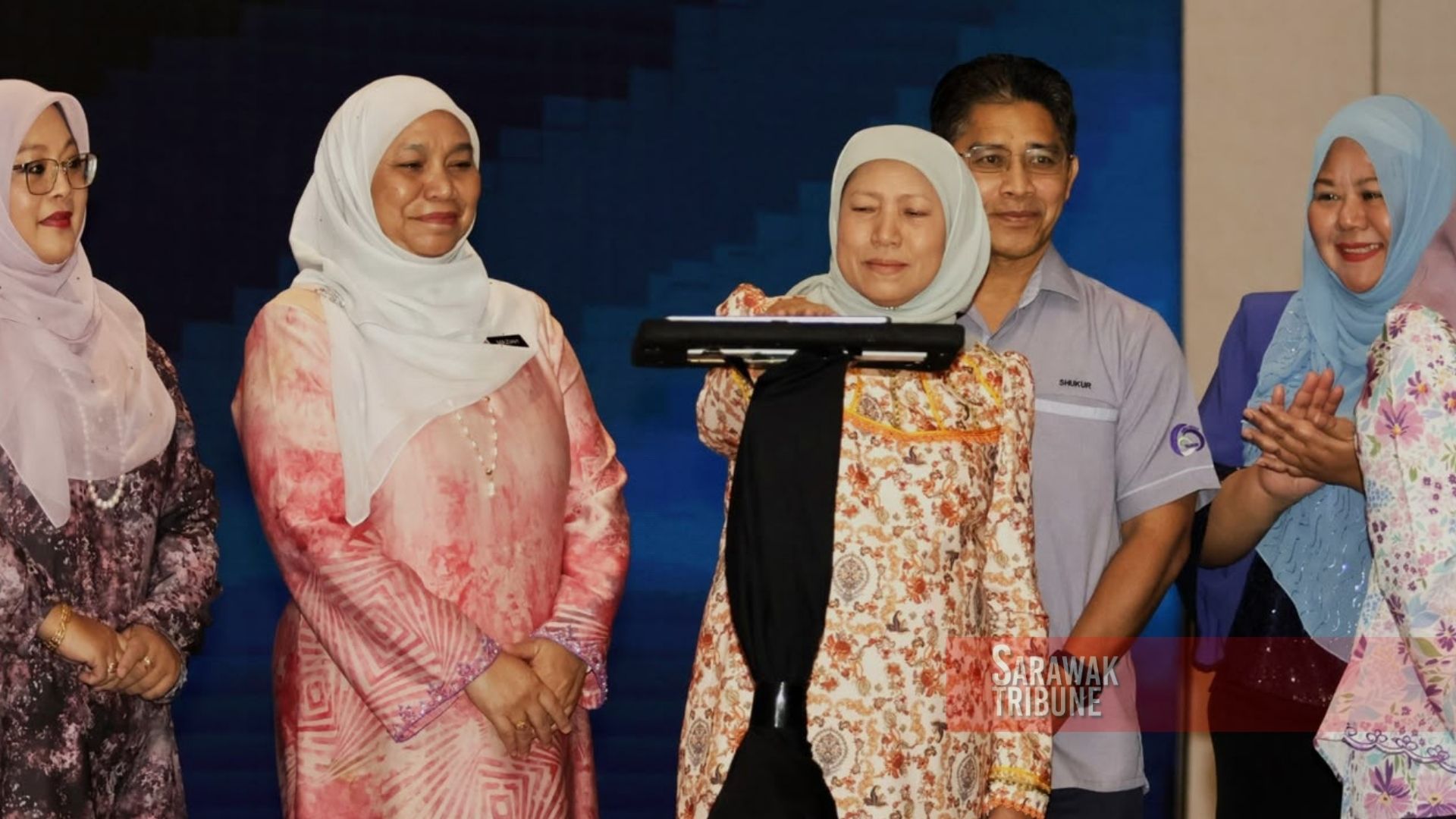
KUCHING: The Ministry of Women, Family and Community Development (KPWKM) is creating a competent and trained care workforce with clear career pathways as part of efforts to strengthen Malaysia’s care sector.
Minister Datuk Seri Nancy Shukri said the initiative is important to ensure caregivers had the necessary knowledge and skills to provide safe and quality care, including handling patients correctly.
“We want to produce a competent, trained care workforce with clear career pathways,” she said at the launching ceremony of the Care Sector Initiative under the 2026 Madani Budget here today.
She said caregiving had traditionally been largely shouldered by families, particularly women, but changing family structures and increasing female participation in the workforce required a more organised and professional care sector.
She stressed that caregiving should no longer be viewed merely as a cost, but as an investment in people, families and the economy.
“Care is not a cost, it is an investment in people, families, and economy,” she said.
Under the 2026 Madani Budget, KPWKM has been allocated RM8 million for the care sector initiative, with RM3 million earmarked for caregiver training and RM5 million for the development of care standards.
Nancy said the training would equip caregivers with the proper knowledge and skills in areas including safety, communication, behaviour management, as well as the physical and emotional needs of those under their care.
She gave an example of the importance of proper training when handling elderly patients, saying incorrect techniques could potentially cause injuries.
“When we say a competent caregiver, they need to know how to lift a patient correctly,” she said, adding that caregivers should also understand the scientific reasons behind health and physical conditions rather than relying on assumptions or traditional explanations.
She said the government also wanted to raise the professionalism and recognition of caregiving as a career, including among those from rural communities.
Nancy noted that some private hospitals had approached her to help recruit caregivers, with training and employment opportunities being offered.
However, she said caregiving is sometimes viewed as a low-status occupation, and this perception needed to change.
“We do not want people from rural areas or anywhere else to feel that they are not recognised in terms of their professionalism as caregivers.
“We want to give them the opportunity to become professional caregivers,” she said.
She said a more professional care sector could also create employment, entrepreneurship and career opportunities, while meeting the growing demand for trained caregivers.
As part of the initiative, KPWKM is also developing the National Care Standards for Older Persons and Persons with Disabilities (OKU).
Nancy said the standards are not intended to add bureaucracy or burden service providers, but to establish clear and consistent benchmarks to ensure individuals received care that was safe, quality, humane and respectful of their dignity.
The KPWKM Care Campaign 2026, themed “Ilmu Menjaga, Kasih Dirasakan”, she said, emphasises that good caregiving must be supported by knowledge, skills and compassion.
She said KPWKM is targeting the development of 50,000 skilled caregivers by 2030, in line with the Malaysia Care Strategic Framework and Action Plan 2026-2030.
Nancy said the initiative is ultimately aimed at building a stronger care ecosystem that could support families, enable women to remain productive in the workforce, recognise caregivers and ensure those requiring care could live safely, with dignity and wellbeing.