PETALING JAYA, Selangor: Malaysia’s accommodation sector is undergoing a major transformation to meet changing traveller preferences, with Visit Malaysia 2026 (VM2026) providing a key opportunity to reposition and strengthen the country’s hospitality assets.
Deputy Minister of Tourism, Arts and Culture, Chiew Choon Man, said the sector now includes nearly 15,000 establishments, ranging from world-class hotels and resorts to modern serviced apartments, charming homestays, and innovative alternative accommodations.
“This remarkable diversification reflects a shift in traveller preferences, moving away from the traditional one-size-fits-all, rooms-only model.
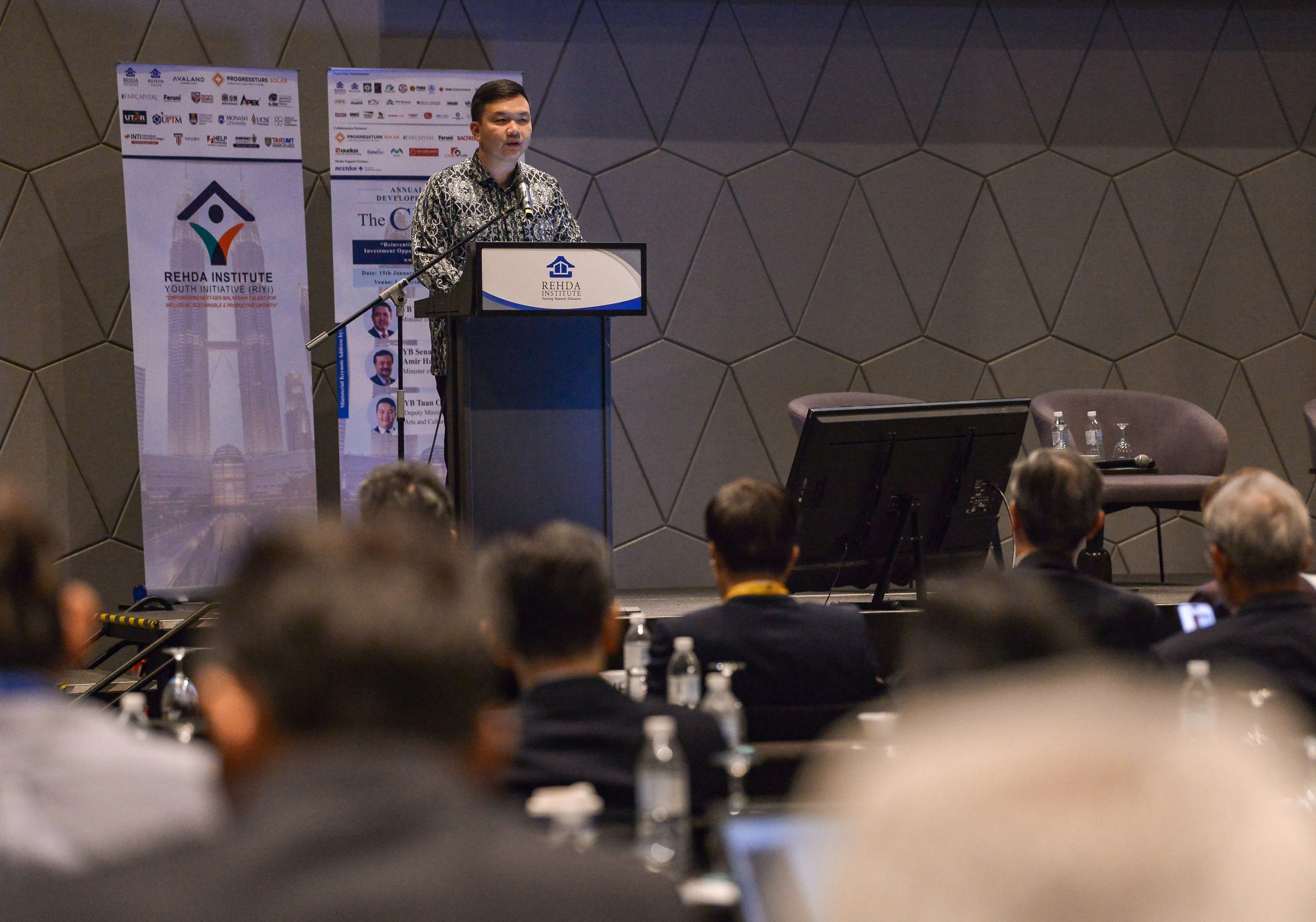
“Our hotels and resorts are no longer merely physical assets; they have evolved into vibrant platforms for lifestyle, culture, and community engagement,” he said in his keynote address at the Malaysian Real Estate and Housing Developers’ Association (REHDA) Institute’s The CEO Series 2026 conference here today.
The event was also attended by its chairman, Datuk Jeffrey Ng Tiong Lip.
Chiew noted that today’s travellers no longer fit a single, homogenous profile, with rising demand for co-living and extended-stay accommodation favoured by young professionals, digital nomads, and international visitors.
He highlighted growing demand for hybrid long-stay models catering to families, medical tourists, and business travellers, as well as ‘bleisure’ and remote-work travellers – a dynamic segment that blends work, leisure, and networking, often resulting in longer stays and higher local spending.
“For hotel asset owners, understanding and designing for these new lifestyles is essential in shaping the future economy.
“When accommodation spaces double as productivity hubs and social connectors, visitors become active contributors by extending their stays, deepening engagement with local communities, and creating new value for small and medium enterprises (SMEs), retailers, and service providers. This is not just a tourism trend; it is a vital economic opportunity,” he added.
Chiew also stressed that VM2026 presents the ideal moment to strategically reposition Malaysia’s hospitality assets, focusing not only on promoting destinations but also on strengthening the sector’s foundation, as the country targets over 40 million visitors and RM329 billion in tourism receipts by 2026.
“Achieving this requires more than simply increasing room supply. It demands optimising the quality, adaptability, and strategic positioning of our entire hospitality infrastructure,” he said.
The conference also featured a panel discussion on how Malaysia’s hotels and accommodations can be designed to meet modern travellers’ needs and provide memorable experiences, in line with VM2026. – BERNAMA