AT the age of 12, while most children his age were still fast asleep, a frightened knock on the door at 3.00 am changed the life of a young boy from Kampung Muara Tebas forever.
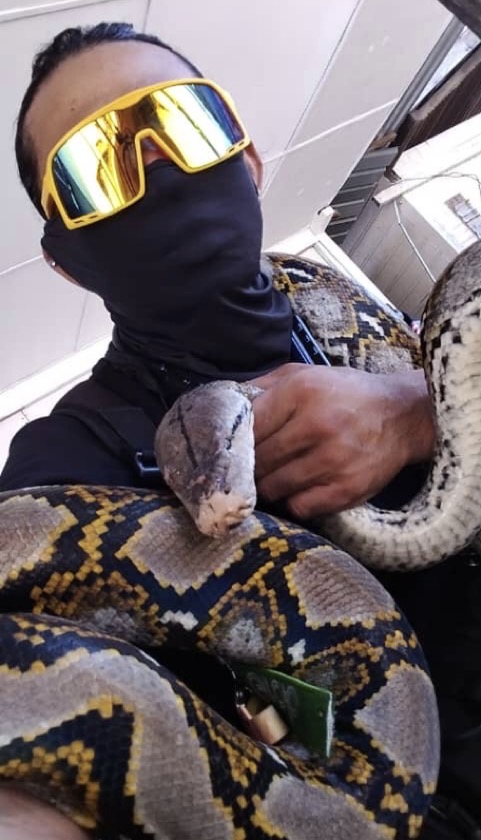
In the dim and silent hours of the night, Mohd Jamalludin Nusi stepped forward to confront a 13-kilogramme python that had slipped into his neighbour’s home – an extraordinary moment that would shape the man he would become.
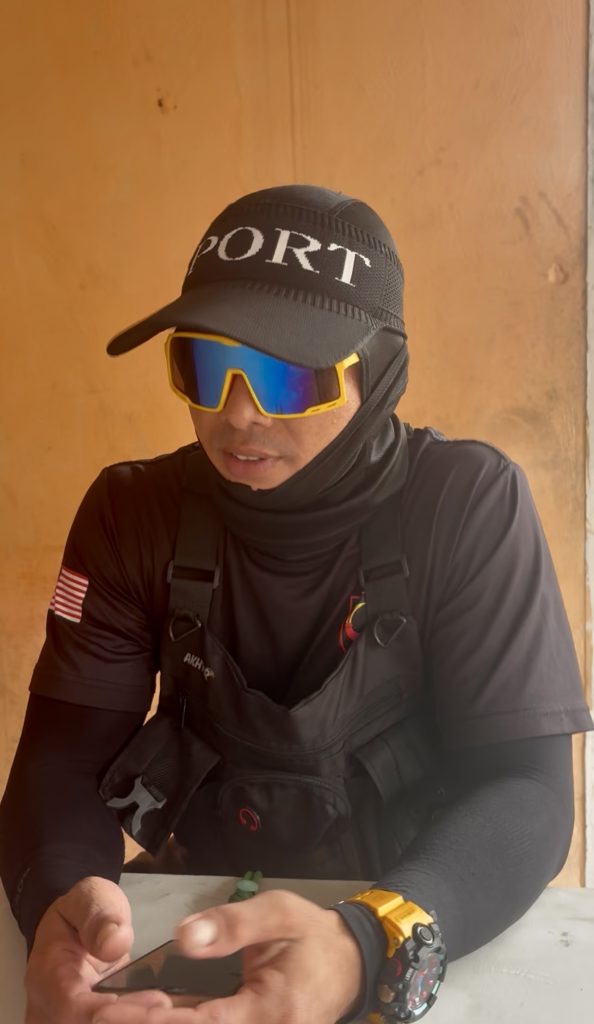
Today, at 36, Jamalludin is no ordinary villager. He is the name people call in panic whenever a reptile appears in a kitchen, under a bed, or in the shadows of a storeroom.
For nearly 24 years, he has lived between the worlds of everyday routine and high-risk rescue work, stepping in quietly to keep his community safe without ever asking for payment.
He is, in every sense, an unsung hero – one who walks daily on the edge between humanity and the wild.
Childhood shaped by curiosity
Jamalludin’s fascination with wildlife began far earlier than that first rescue. As a child, he was drawn to insects, reptiles and unusual creatures in a way that set him apart from his peers.
A major influence, he said, was his late cousin – someone who had a natural talent for handling pythons.
“My first experience in catching a python was with my father’s help. He held it, and I grabbed it. It wasn’t planned and later I took care of the reptile,” he said.
Like many children, he had his share of mischief, but his version of mischief was … unconventional. While others snuck sweets into their rooms, Jamalludin once kept a python inside a makeshift net in his bedroom for several weeks – without his family’s knowledge.
He fed it bits of chicken, bathed it, and watched it with wide-eyed fascination. His late mother’s scoldings did nothing to dampen his curiosity.
That fascination turned into an opportunity when a Chinese man who saw the snake he had caught immediately offered to buy it – paying RM350 on the spot without bargaining.
“Back then, by coincidence, a Chinese man asked about the snake I caught and said he was interested in buying it. I simply mentioned RM350, and without bargaining, he bought it. I saw the potential as a source of income,” he said.
For the young Jamalludin, it was a striking realisation: his unusual interest could also become a side income.
Quiet world of a snake catcher
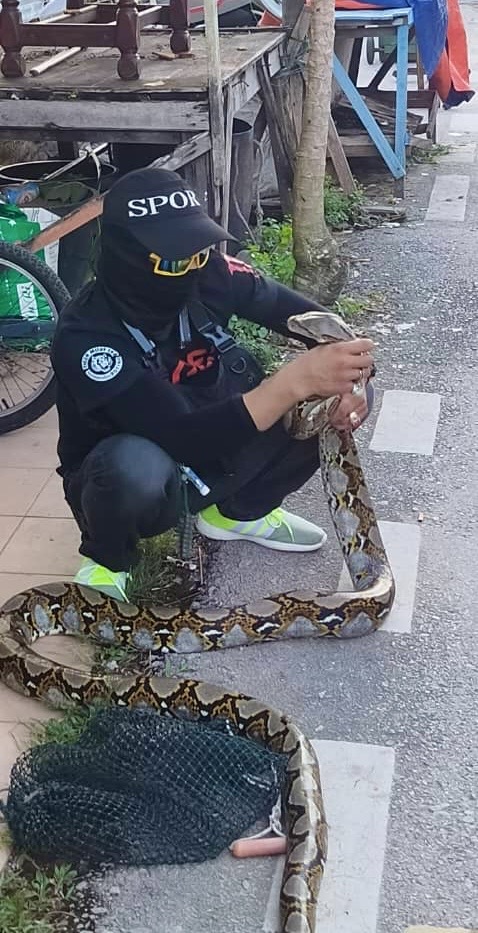
Snake catchers – often called snake rescuers in other countries – play an essential but largely invisible role in many rural communities.
In Malaysia, especially in areas close to mangroves, rivers and coastal wetlands, snake encounters are a normal part of life.
Yet, not everyone has someone like Jamalludin to call when these encounters turn dangerous.
Although the role is not recognised as a formal profession, snake catchers bridge an important gap. They help reduce human-wildlife conflict, protect communities, and – often unnoticed – preserve snakes that might otherwise be killed on sight.
“Interest is fine, catching them is fine, but knowledge is important. So I often watch YouTube and National Geographic to learn, because this activity really involves big challenges and risks, even life-threatening ones,” he explained.
Despite having no formal training, he emphasises that understanding a snake’s natural behaviour, habitat and tendencies is crucial – not for catching them, but for avoiding unnecessary danger and ensuring safe coexistence.
He never encourages anyone to put themselves at risk. His own work, he noted, is motivated by responsibility, not thrill.
Between routine and risk
Over the years, Jamalludin said pythons have long been a part of his experience, while king cobras became part of his work only about two years ago.
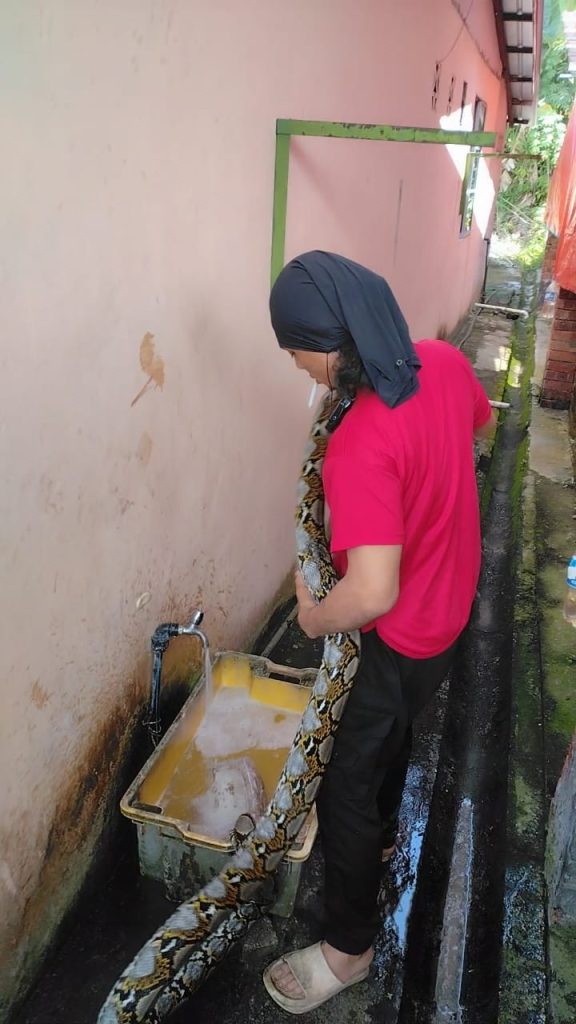
“I’ve caught a lot of pythons of various sizes. I started catching king cobras two years ago, and they are the most dangerous species because they are venomous and can be deadly,” he explained.
Though pythons are non-venomous, he noted their bites can be painful.
“I’ve been bitten three times. Even though they’re not poisonous, I worry about infection,” he said, showing faint scars from a bite seven months ago.
Jamalludin has caught more than 116 snakes of all sizes, including hatchlings.
“I’ve caught more than 14 snakes in a single month, and once caught four in one day. The heaviest snake was 36 kilogrammes, caught in Kampung No. 5 in Kuching,” he said.
Recalling his younger days, he said he often searched for snakes late at night, especially during high tide, the first month of the Chinese calendar, or during a full moon.
“I would go out along the roadside from 1.00 to 3.00 am,” he said.
Among the species he encounters most often are king cobras, pythons, and banded kraits – a species he finds especially fascinating for its black-and-white pattern.
“I once caught a banded krait just to try. I found it fascinating because it looked like it had two heads – one at the front and another at the back,” he recalled.
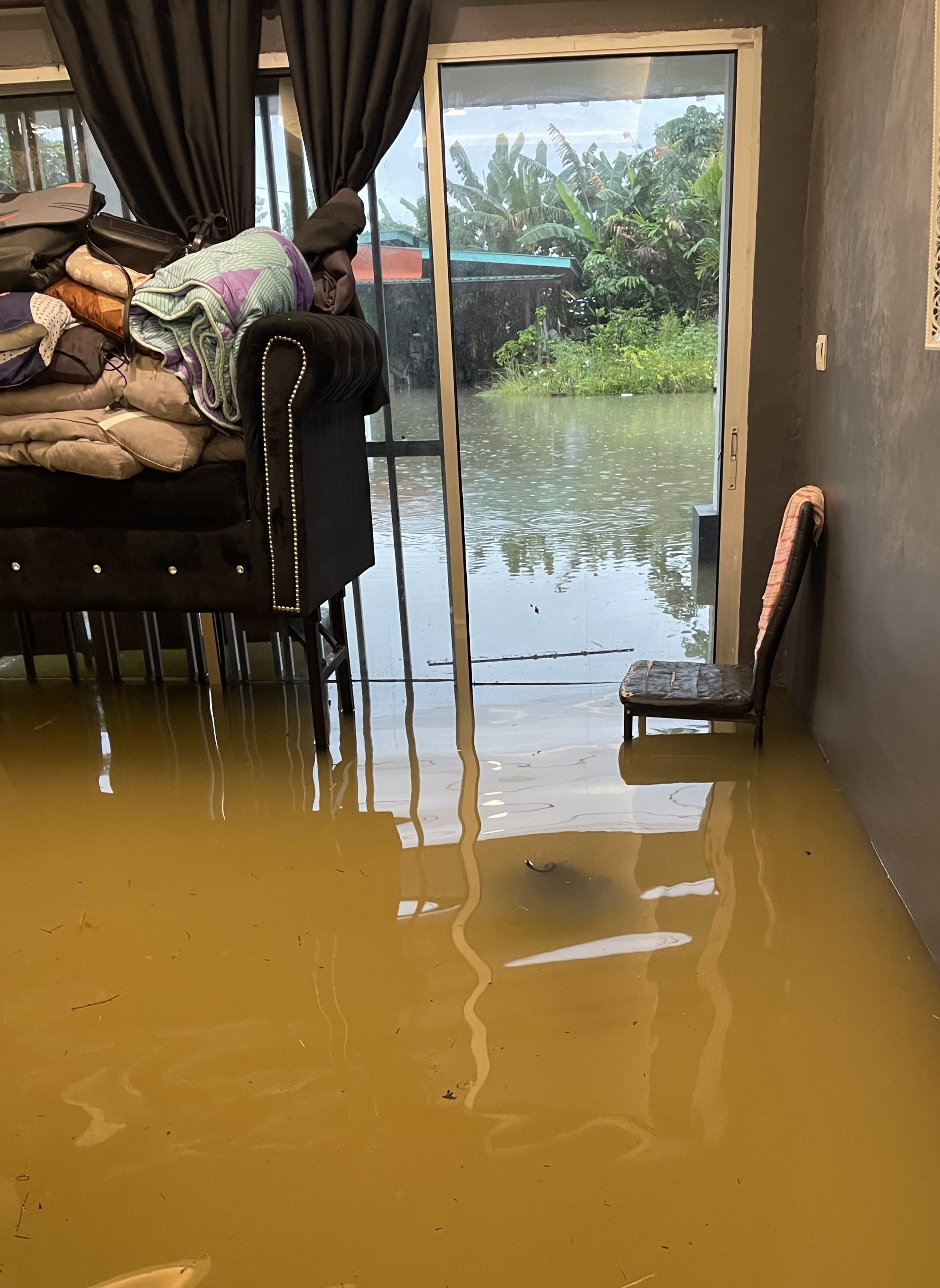
Despite the variety, pythons remain the most common species in his village, particularly when water levels rise, while spitting cobras are rarely seen in the area.
Service driven by responsibility, not reward
Despite the dangers and the unpredictable hours, Jamalludin never charges for catching snakes.
In fact, he often pays others who assist him – sometimes RM30 or so – to thank them for helping him identify a snake’s location or passing him a tool when he needs it.
“If someone helps me, even if it’s the homeowner, I give them a token. I don’t take payment,” he said.
Interestingly, many snakes he catches are not kept long. Storage is difficult – he has no designated space and must rely on nets that draw unwanted attention.
Usually, the snakes are sold within a week, or released safely depending on circumstances.
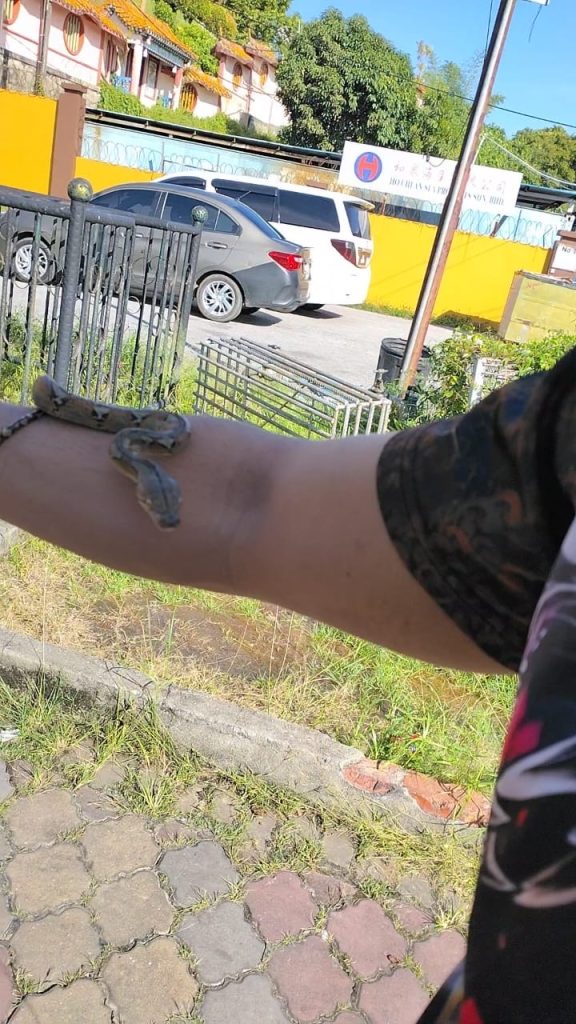
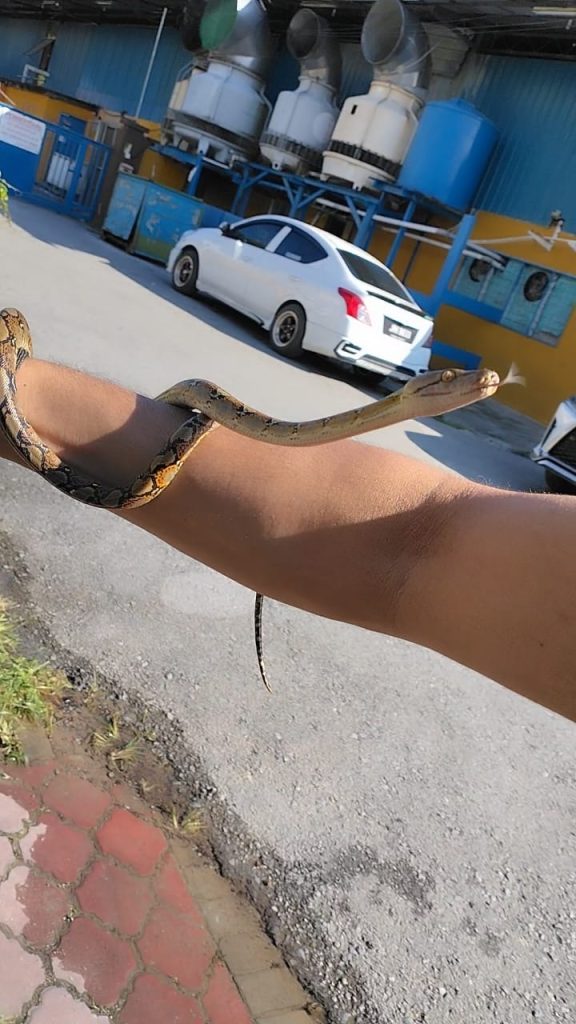
“That’s why I don’t keep them long – at most a week because buyers will come. Prices vary by size; some sell for around RM500 each, and the highest I’ve received was RM700 for two large snakes. Small snakes are sold for around RM100-plus, and two of them can reach over RM300,” he said.
Pythons, he said, are particularly in demand among members of the Chinese community – but not always for consumption.
“Many buy them for beliefs or to release them. Some keep them; some ask me to release them on their behalf for religious reasons,” he said, adding that snakes are usually released outside the village.
Despite the financial possibilities, Jamalludin insists that money is not his motivation.
Honouring life – even the wild ones
One of Jamalludin’s strongest principles is to avoid unnecessary harm. If a snake has been injured, beaten or attacked by villagers, he feels emotionally affected.
“I also don’t like catching snakes that have been beaten or injured by people trying to chase them away – I dislike seeing animals tortured,” he said.
Carrying faith and caution
Like many in his community, Jamalludin recites verses he learned from elders, including prayers associated with Prophet Sulaiman and Prophet Daud, seeking protection and calm before dealing with dangerous animals.
He also follows certain cultural practices – like eating before responding to a call or placing a bit of coffee powder on his tongue.
These practices, combined with years of lived experience, have shaped a quiet confidence grounded not in recklessness, but in respect.
A calling that continues
Despite the high risk, the unpredictable hours, and the emotional toll, Jamalludin intends to continue serving his community for as long as he is needed.
“My hope is only to do the best I can,” he said. “In this line of work, you must always be careful. Know the animal, know its nature – only then can you avoid danger.”
In the quiet village of Muara Tebas, where mangroves line the horizon and the sea breathes rhythmically against the shore, Jamalludin remains a guardian in the shadows.
He walks where others fear to tread, stepping into danger so that others may be safe.