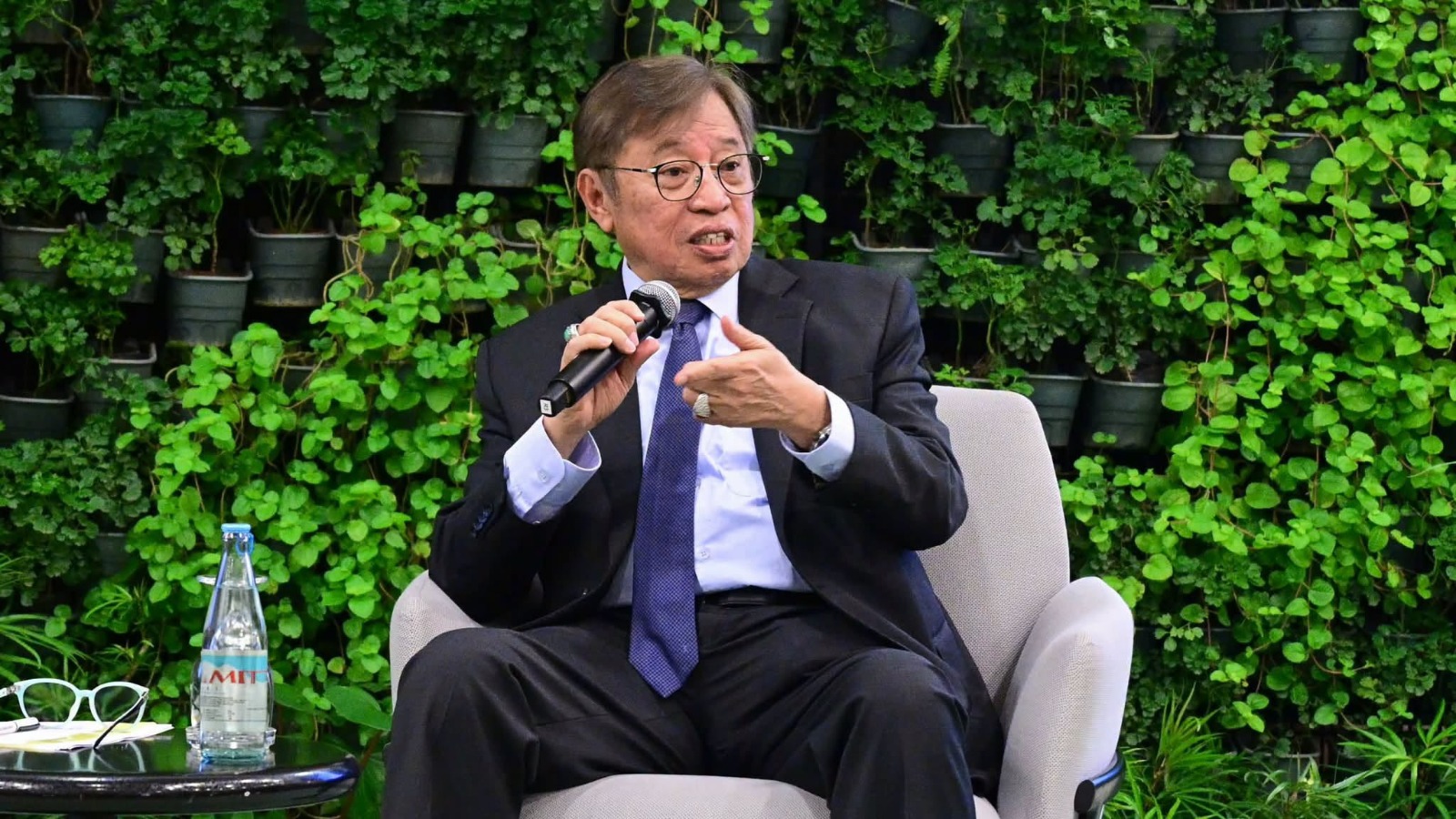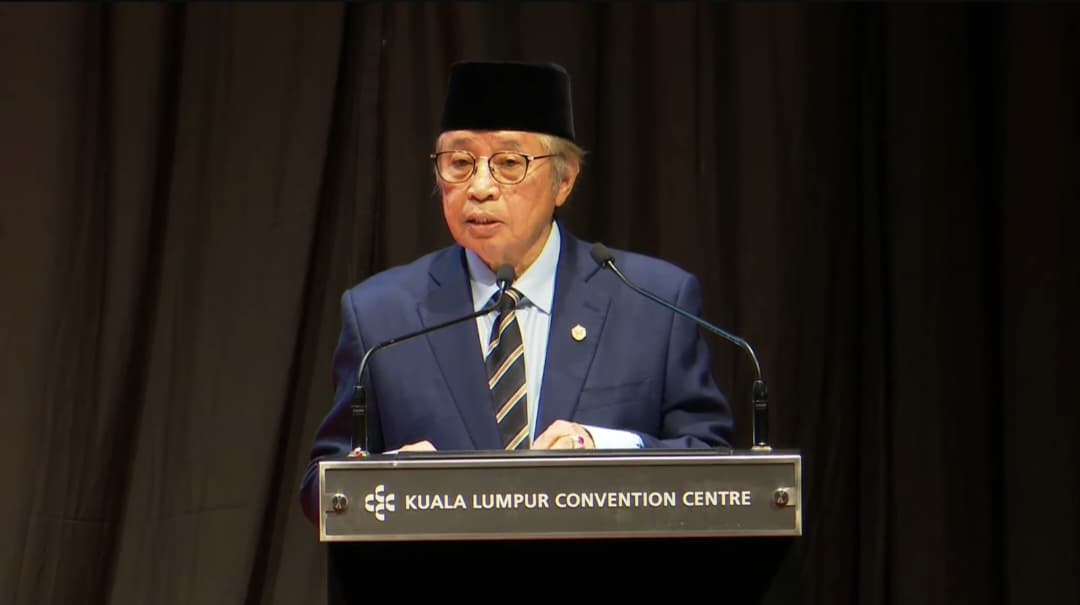
KUALA LUMPUR: Waqf must evolve beyond its traditional role as a charitable institution to become a powerful catalyst for sustainable socio-economic development.
Premier Datuk Patinggi Tan Sri Abang Johari Tun Openg said the world is undergoing profound transformation, with artificial intelligence reshaping industries, digital technologies redefining economies, climate change testing resilience, and widening socio-economic inequalities demanding new approaches to development.
He, who is also the Muslim Welfare Organisation of Malaysia (PERKIM) president, said these realities require waqf to be reimagined to meet contemporary needs while remaining firmly anchored to its enduring Islamic values.
“The answer lies not in changing the philosophy of waqf, but in reimagining how it is managed, developed and utilised to meet contemporary needs while remaining firmly anchored to its enduring Islamic values.
“Today, waqf should no longer be viewed solely as a charitable institution. Rather, it should be recognised as a strategic instrument for sustainable socio-economic development.
“A well-managed waqf ecosystem has the potential to complement public expenditure, mobilise private philanthropy and generate sustainable resources to support education, healthcare, entrepreneurship, affordable housing, environmental conservation, humanitarian assistance and community resilience,” he said in his welcoming address during the International Waqf Da’wah Convention 2026 at Kuala Lumpur Convention Centre (KLCC) this morning.
The opening of the convention was graced by Perak Sultan, Sultan Nazrin Muizzuddin Shah ibni Almarhum Sultan Azlan Muhibbuddin Shah Al-Maghfur-Lah.
Abang Johari said waqf contributes not only to economic development but also to social justice, inclusive growth and shared prosperity.
This reflects the true spirit of Islam where development is measured by the well-being, dignity and opportunities enjoyed by every member of society.