SARAWAK must urgently embrace sustainable resource management and convert waste into a new source of economic value.
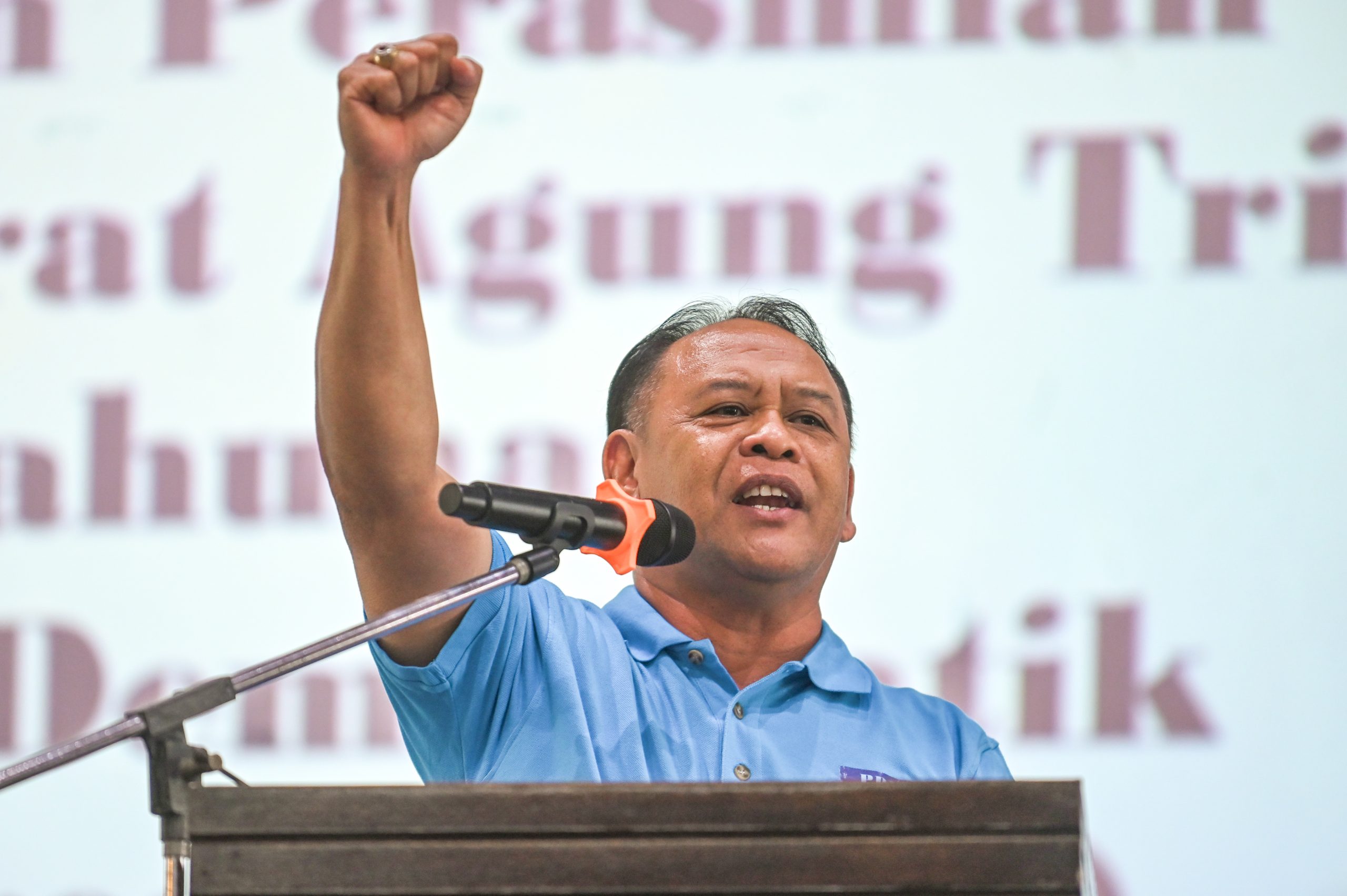
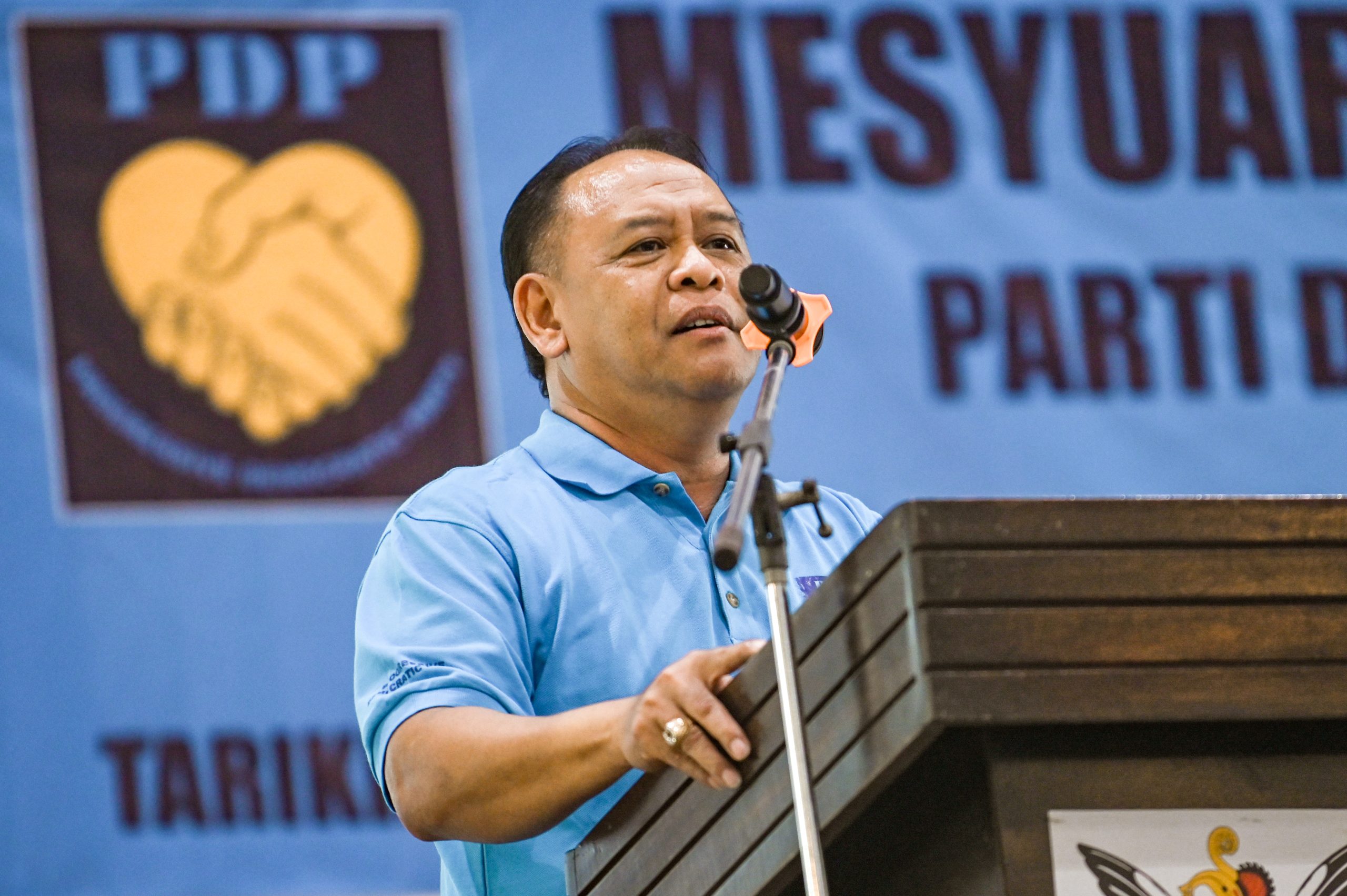
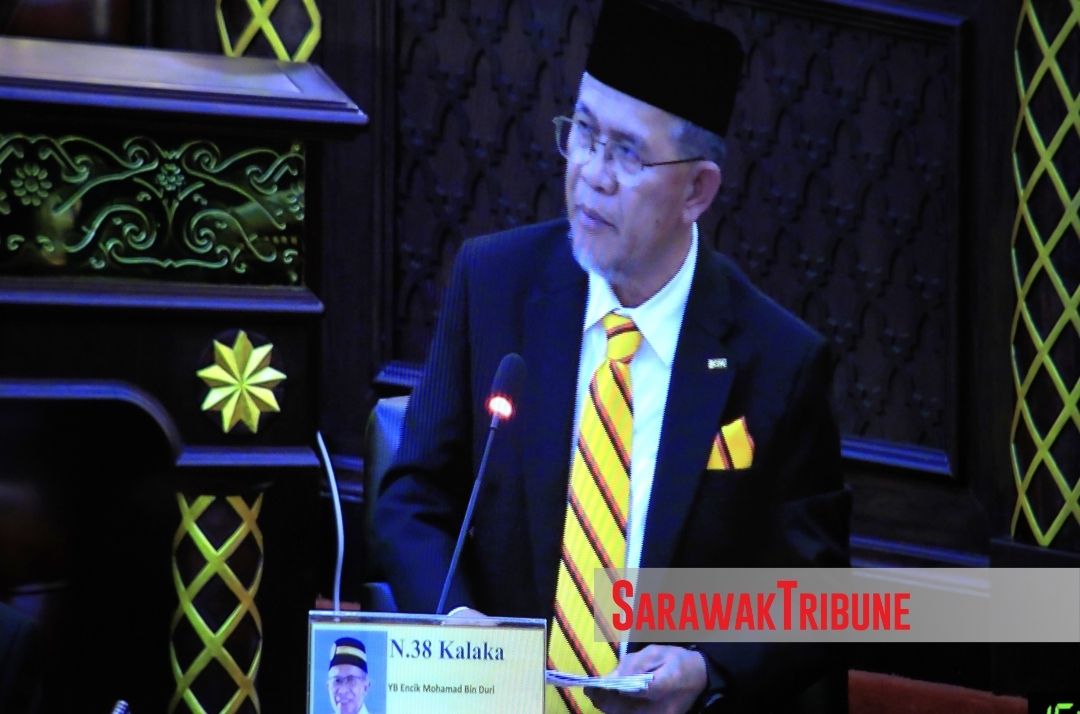
Kalaka state assemblyman, Mohamad Duri, said the Sustainable Resources and Wastes Management Bill, 2025, is therefore a crucial step in ensuring Sarawak’s environmental security, economic resilience, and long-term sustainability.
“Sustainable resources and waste management are essential to ensuring the earth remains safe and liveable. With collective commitment, we can protect the environment for current and future generations,” he said in support of the Bill at the DUN sitting here today.
Additionally, Mohamad said the Bill reinforces a critical shift in public mindset, moving away from viewing waste as a burden and recognising it as a valuable economic asset, particularly in the growing global biomass energy sector.
“This is not a fantasy. Waste-to-energy is no longer a dream; it is now a reality. The world is making money from waste as modern technologies now allow agricultural, forest and municipal waste to be transformed into electricity, biogas and biomass pellets,” he said.
He cited research estimating that agricultural and sustainably managed forest biomass in Sarawak could generate up to 550 to 600 megawatts (MW) of energy, while municipal solid waste could contribute another 40 MW, and animal waste as much as 140 MW.
“These figures show that what we discard every day still has enormous value. Examples of agricultural waste with energy potential include paddy residues, oil palm waste, sugarcane fibre, corn stalks and other farm by-products.
“Sustainably managed timber residues, branches, thin logs and wood-processing waste also offer long-term energy-generation capacity,” he added.
He added that waste from livestock farms, such as manure, could be converted into methane-rich biogas, reducing pollution, odour and disease risks.
“Not only does this generate economic returns, but it also reduces environmental hazards and benefits rural communities,” he said.
Mohamad pointed to international success stories as proof that effective waste management can become a major revenue generator.
“Sweden recycles or converts nearly all of its household waste into energy and even imports waste to optimise its high-efficiency incineration plants, while Germany’s expanding waste-to-energy sector was also cited as another model for economic sustainability.
“These countries demonstrate that waste does not have to be a burden. With proper management, it becomes a lasting economic resource,” he said.
Mohamad said the Bill shows that the Sarawak Government is seriously committed to building a sustainable circular economy and positioning the state as a regional leader in clean and renewable energy.
“It is time for Sarawak to become the next Sweden in sustainable resource and waste management. I believe our government, already leading in clean energy, can achieve this,” he said.