In recent weeks, Sarawak has witnessed a surge of major development projects initiated by the state government.
These projects reflect more than just construction work. They are milestones in Sarawak’s ongoing journey to improve connectivity, boost economic opportunities and enhance the quality of life for its people.
Shortly after Sarawak Day, the long-anticipated Bintulu-Jepak Bridge was officially opened to the public. Just days prior, the announcement of the Marina Bridge in Miri marked another important step in urban and regional development.
These bridges, along with other infrastructure projects, represent a focused effort to link communities, encourage growth, and preserve Sarawak’s unique heritage.
Tun Taib Mahmud’s Bridge: Connecting communities
The Bintulu-Jepak Bridge is more than a new route; it is a vital lifeline that connects the northern and southern parts of Bintulu across the Kemena River.
With the opening of the bridge, travel across the Kemena River is now seamless, faster, and safer.
The bridge has been named after the late Tun Pehin Sri Abdul Taib Mahmud, one of Sarawak’s most respected leaders. His decades-long dedication to the state’s development laid the foundation for the modern infrastructure projects we see today. This bridge stands as a tribute to his vision and leadership.
The new link also opens the door for economic growth in the region. Businesses can move goods more efficiently, and residents gain better access to services and opportunities. It is a practical improvement that promises long-term benefits for the people of Bintulu.
Marina Bridge: Bridging city
and heritage in Miri
In Miri, the newly announced Marina Bridge will connect the city centre to Pulau Melayu, an area with a long-standing community and cultural heritage.
While modern infrastructure aims to enhance urban growth, it must be sensitive to preserving the unique identities of all local communities. The bridge will make it easier for residents to access essential services and city amenities while respecting the character of the surrounding areas.
The Marina Bridge is also expected to encourage visitors to learn more about Miri’s diverse history and cultural landscape. This approach supports economic activity through tourism while honouring the heritage of the region as a whole.
Balancing development with preservation is a constant challenge but the Marina Bridge exemplifies how infrastructure can support both. It connects without erasing. It opens without overwhelming.
Satria Pertiwi: A symbol of Sarawak’s growing role
Kuching saw another milestone with the opening of the new official residence and administrative complex for the Premier of Sarawak.
Named Satria Pertiwi, which means “Defender of the State,” the building is designed to serve as a hub for governance, diplomacy and official functions. It is a clear symbol of Sarawak’s growing confidence and its expanding role in Malaysia and the wider region.
The architecture combines modern design with elements inspired by Sarawak’s cultural heritage. Its sweeping rooflines and interior motifs reflect local craftsmanship while the state-of-the-art facilities provide functionality for the demands of modern governance.
Beyond its physical presence, Satria Pertiwi sends a message that Sarawak is ready to manage its affairs independently and take a leadership role in shaping its future. It stands as a beacon of progress and pride.
Symbolically, alongside the mighty Sarawak Legislative Assembly (DUN) Building, it stands as a bastion of protecting Sarawak’s rights and sovereignty.
Datuk Amar Juma’ani Bridge: Linking heritage and urban growth
Just a day after the opening of Satria Pertiwi, the Premier launched the Sungai Bintangor Bridge in Kuching’s Satok area.
This new bridge holds great significance. It sits between traditional Malay villages and newer urban developments, physically connecting these two worlds.
Rather than displacing heritage, the bridge represents a meeting point where tradition and modernity coexist. It makes travel easier for residents while preserving the cultural landscape that gives Satok its unique character.
Satok assemblyman Datuk Ibrahim Baki has proposed naming the bridge after Datuk Amar Juma’ani Tun Tuanku Bujang, the wife of Sarawak’s Premier, who recently passed away. She was a respected leader known for her dedication to charity and women’s empowerment.
“I believe this bridge will not only connect communities but also symbolise the compassion, sacrifice and legacy of a great leader, mother and woman who served the people wholeheartedly,” said Ibrahim, who is also Deputy Minister of Utility (Sarawak Energy & PETROS), during the bridge’s opening ceremony.
Development with purpose
What stands out across these projects is a consistent approach by the Sarawak government. Infrastructure development is not simply about constructing buildings and roads. It is about fostering connections that matter — between people, communities and their heritage.
These efforts recognise that progress and cultural preservation are not mutually exclusive. Instead, they go hand in hand.
The government’s balanced development agenda aims to improve daily life while honouring the traditions and stories that define Sarawak. This philosophy is seen from the practical improvements of the Bintulu-Jepak Bridge to the cultural sensitivity behind the Marina Bridge and Sungai Bintangor Bridge.
Even the new administrative centre, Satria Pertiwi, embodies this balance — serving modern governance needs while reflecting Sarawak’s identity.
Challenges and commitments
Developing infrastructure across a vast state like Sarawak is not without challenges. It requires substantial investment, careful planning and coordination across multiple agencies. Environmental protection and community engagement remain key considerations.
The Sarawak government has committed to these principles, ensuring that development is sustainable and inclusive.
As these projects come to life, the benefits become evident. Residents enjoy easier travel, better access to services and new economic opportunities. Local cultures and histories are preserved even as urban areas grow.
The recent wave of development is only the beginning. Plans for expanded highways, ports, renewable energy projects and digital infrastructure are underway.
Each new project aims to build on the foundation laid by the bridges and buildings recently completed. Together, they contribute to a more connected, prosperous and resilient Sarawak.
The government’s vision is clear: growth that uplifts everyone, respects the environment and honours Sarawak’s heritage.
Building bridges,
preserving identity
Ultimately, these development projects are more than concrete and steel. They are about connecting people and places. They shorten distances, open doors to new opportunities and improve daily lives. But equally important, they remind us that development must not come at the cost of our roots.
Whether it is the traditional communities of Pulau Melayu in Miri, the villages of Satok in Kuching or the longstanding neighbourhoods in Bintulu, these places tell the story of who we are as Sarawakians.
As Sarawak moves forward, every bridge built and every building opened should serve both progress and heritage. This is how the state will grow — strong, united and proud of its identity.
DISCLAIMER:
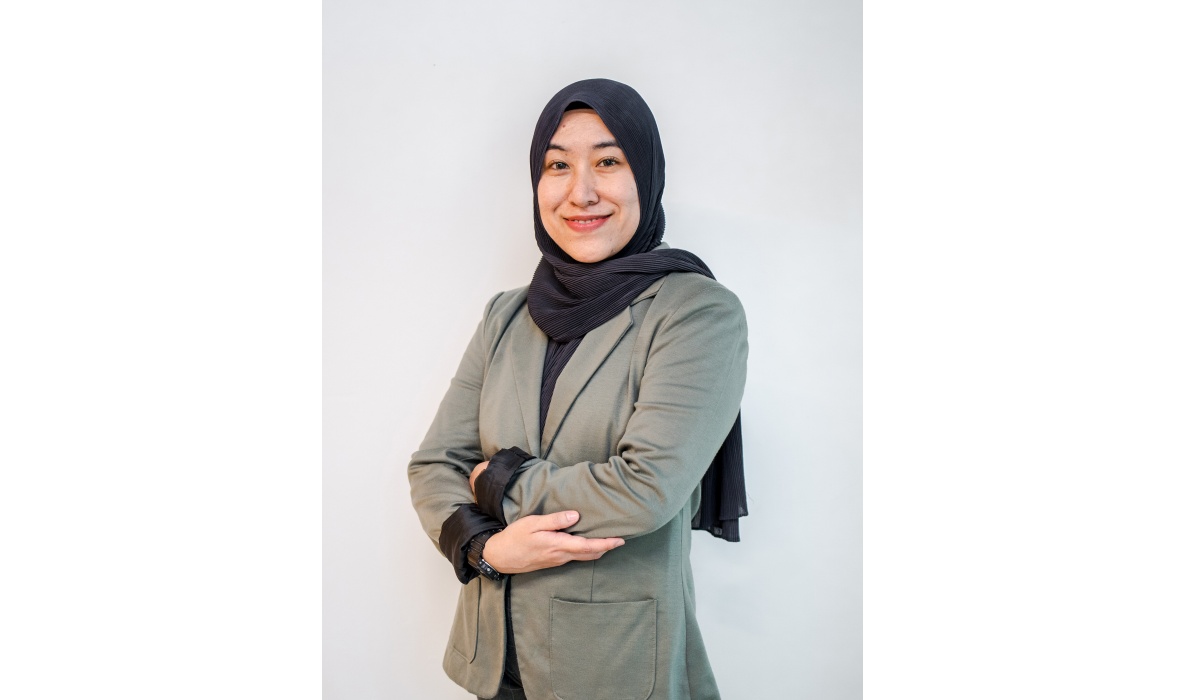
The views expressed here are those of the writer and do not necessarily represent the views of Sarawak Tribune. The writer can be reached at nazmixsuhaimi@gmail.com.