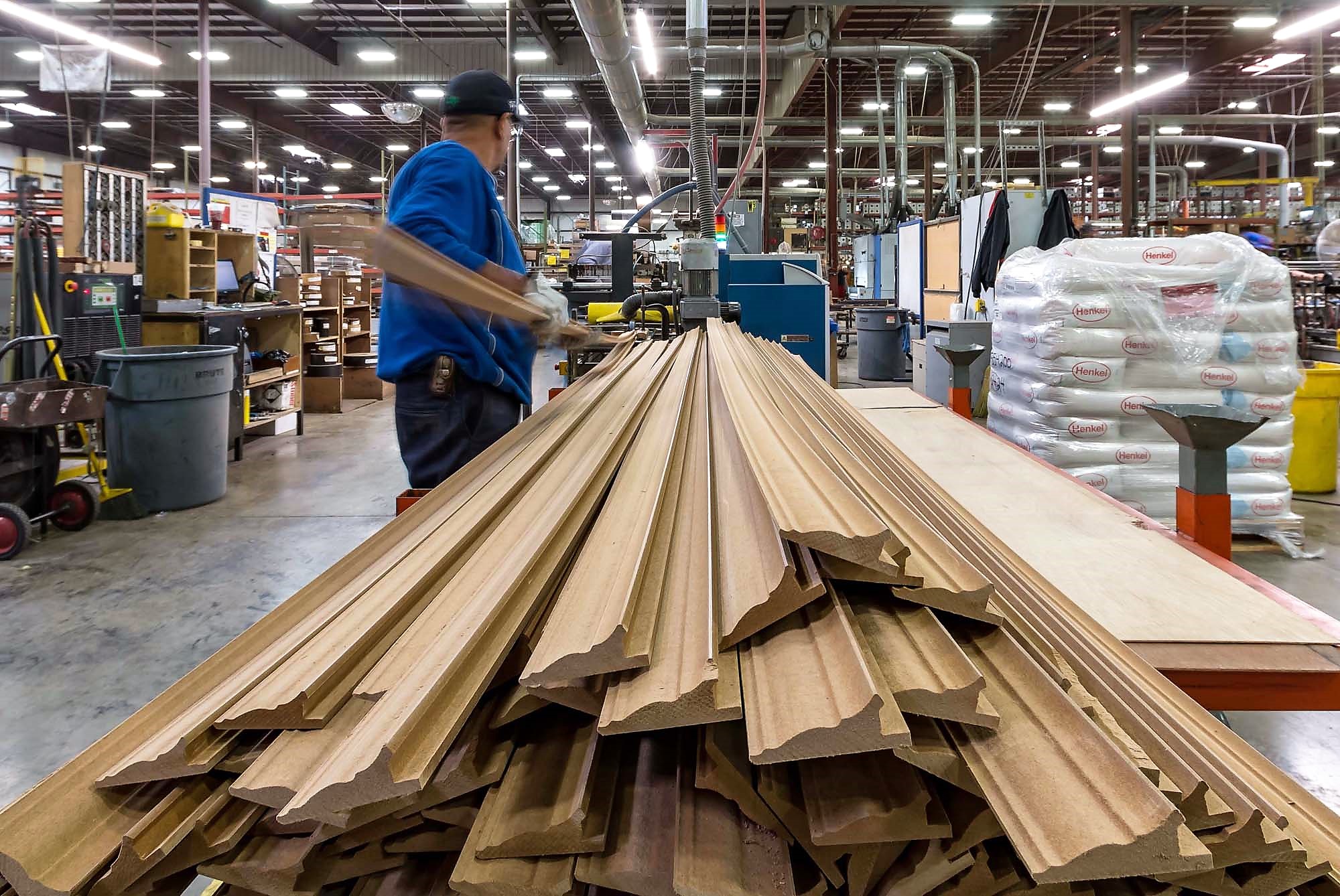
KUCHING: Hit by high trade tariffs and global downturn in construction and real estate, demand in the wood-based panel market has weakened.
And consumers’ willingness to buy panel products has been further dampened by the conflicts in the Middle East which have driven up costs and pushed up the prices of these products in many countries, according to Global Timber Index-Woodbased Panel Index (GTI-WBP) in May 2026.
In May, the GTI-WBP index dropped by 4.7 percentage point to 41.9 per cent from the previous month of April, and remained below the critical value (50%) for two continuous months. This indicated that in the pilot countries, the overall business prosperity of wood-based panel industry represented by the index shrank from the previous month, said the latest monthly report prepared by Global Green Supply Chains Initiatives (CGSC) in collaboration with International Tropical Timber Organisation (ITTO).
The pilot countries are Indonesia, Malaysia, Thailand, Gabon, Republic of Congo, Ghana, Brazil, Mexico, Ecuador and China.
On the demand side, the overall performance of the wood-based panel market was sluggish in May.
“The new orders index stood at 40.6 per cent, down 8.6 percentage points from the previous month and remaining in contraction territory below 50 per cent.
“The export orders index came in at 39.6 per cent, a decrease of 5.9 percentage points while the existing orders index fell 4.3 percentage points month-over-month to 38.9 per cent,” said the report.
On the supply side, the production index registered 39.1 per cent, down 8.2 percentage points from April and remaining in contraction territory for the second consecutive month, indicating continued declines in overall production capacity.
The report said facing pressures from rising costs and shrinking market demand, many wood-based panel manufacturers adopted cautious production strategies.
The inventory index of finished products rose to 55.6 per cent, up 9.8 percentage point month-over-month, and moving above the critical value (50%), signalling that overall supply exceeded demand in the wood-based market in May, with inventory once again on the rise.
From the price perspective, the purchase price index for raw materials recorded 62.1 per cent, a drop of 8.1 percentage point month-over-month, yet it had remained above the critical 50 per cent level for several consecutive months. This indicated that prices for logs and other related raw materials continue to trend upward.
For the month under review, enterprises in countries like China and Ecuador reported rising raw material prices while enterprises in other pilot countries reported cost pressures related to energy, logistics, taxes and fees, labour and others.
In major updates for the month, news from the GTI-Indonesia Focal Point revealed that the country’s plywood export performance remained relatively stable as compared to April, with Asian market demand continuing to provide the main support for export growth, particularly for products used in construction and interior applications.
From January-April 2026, China’s plywood exports jumped 17.4 per cent year-on-year, fibreboard exports leapt 9.8 per cent and particleboard exports surged 111.1 per cent year-on-year.
In May, wood panel manufactures in several pilot countries reported the same key challenges which they have faced for a long time. In Malaysia, they complained about imported plywood products flooding the Sarawak market, inadequate shipping space for export goods, and weak global construction market that affect demand of panel products.
Manufacturers in Ecuador said there were lack of wood suppliers, and complained that despite having made advance payments, suppliers failed to deliver the materials as required.
Their Ghanaian counterparts said the procurement costs of raw materials needed for production of panel products were high.
Due to high fuel prices, Thailand’s manufacturers said this had led to production costs across the board, and caused decline in orders for finished products.
Exporters in Brazil said the delay in the issuance of licences, permits, certification and other documents had led to delays in export shipments of wood panel products.
To address the various challenges and problems, GTI-WBP enterprises had offered various suggestions.
Malaysian enterprises called for adjustment in production plans, strengthen cost control, and enhance coordination to ensure a stable supply of raw materials, closely monitor the global situation, and explore alternative markets.
Chinese enterprises, which complained about fierce product price competition, called for improvement of the homogenized competition situation of products.
Enterprises in Gabon suggested adjustment to the market prices of products whereas those in Mexico called for policy adjustment to reduce the imports of certain products.