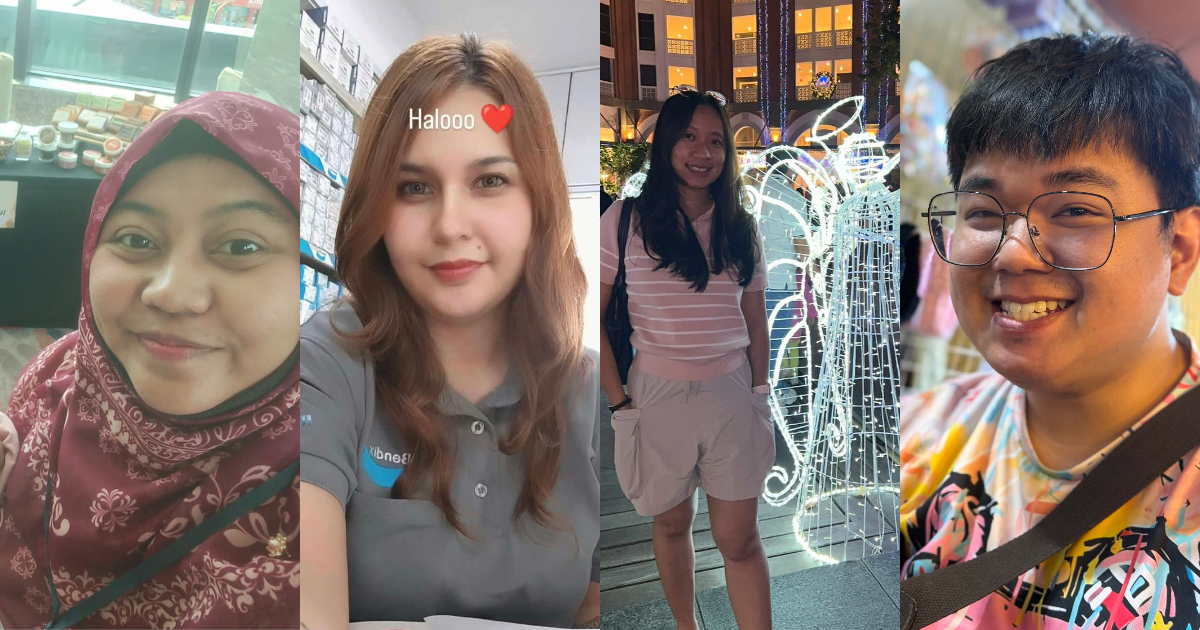
For some, the river is where childhood memories were made — a place for picnics, family gatherings, swimming and adventures that were often too exciting for parents’ comfort. For others, it was more than a place for leisure. It was where water was collected for cooking and bathing, where traditions were observed, and where university fieldwork meant spending hours walking through its waters.
But as they grew older, some returned to find familiar rivers changed. The water was no longer as clear, the flow no longer as natural, and the riverbanks no longer quite the same.
As World Rivers Day is championed globally, Sarawak Tribune brings four Sarawakians back to their earliest memories of the rivers, how the waterways have shaped their lives and what they think of the rivers they see today.
Nadiah Shafiee, 34
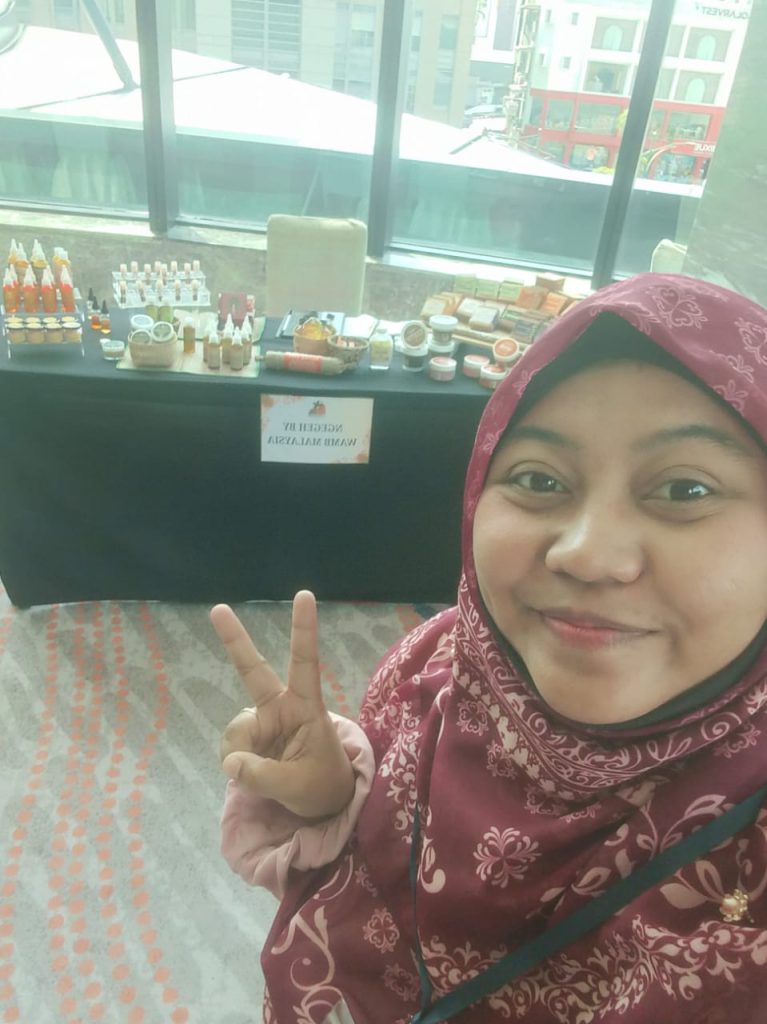
“My earliest memories of the river go back to when I was about four or five years old. We used to have picnics around the river, especially in the Matang area. One of our favourite spots was Jambatan Merah.
Back then, the place was still managed by the local people, so the facilities were clean and well maintained. One of my most memorable experiences was sliding along the river. The water was clean and clear, and it was calm back then.
But when I went back years later, things had changed. Now that it has become a public park, I feel that everything has gotten worse, and we stopped going there.
I remember going to two different places around Matang, and after coming into contact with the river water, my body became itchy. The water did not even seem to flow properly anymore.
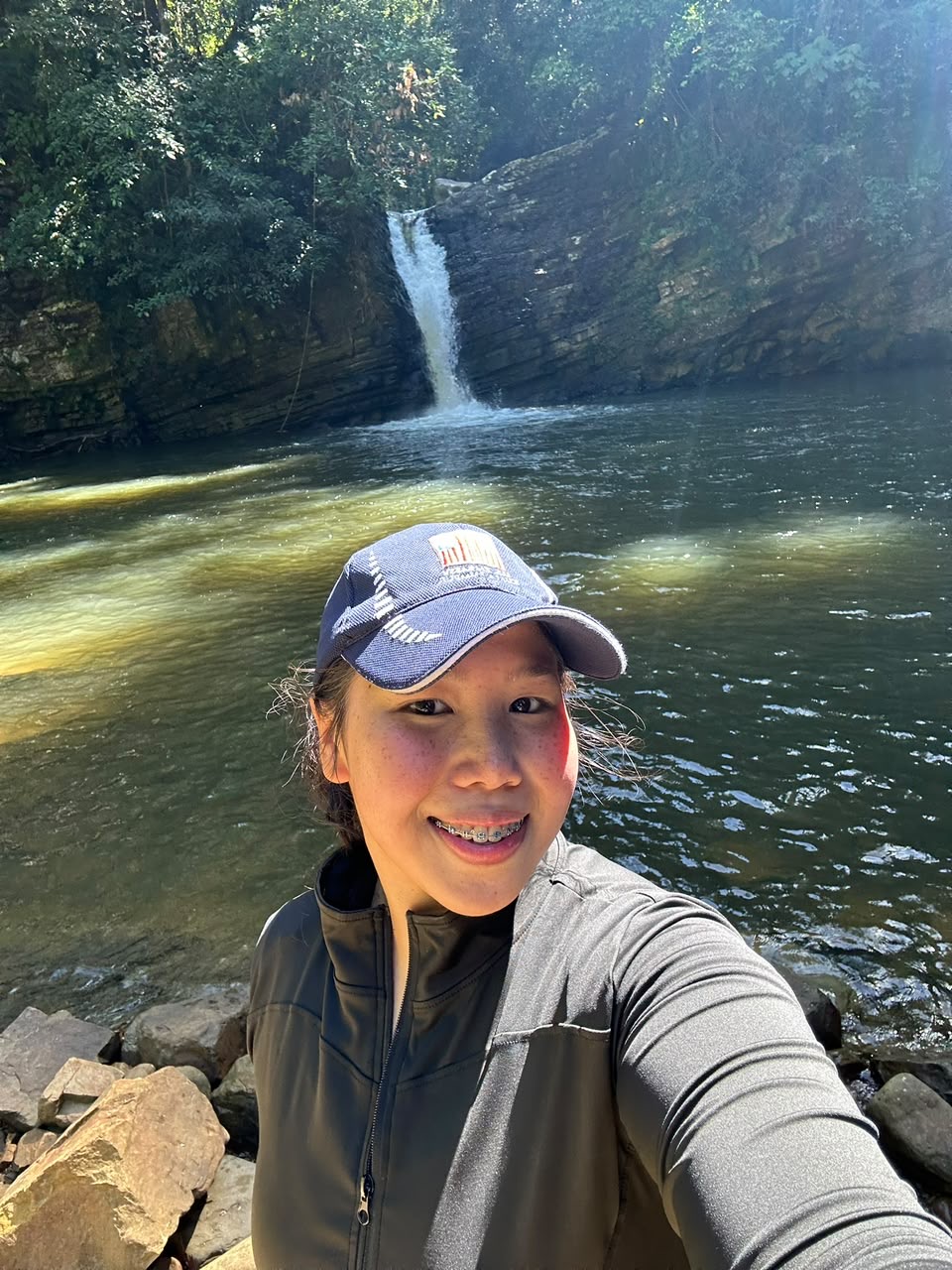
I still love being close to nature whenever I travel. During my recent trip to Sabah, I went to the Nabalu area, near Polumpung campsite, and we also managed to get to the Tenom area, which is known for its rivers and extreme kayaking.
Since I was travelling with my family, we did not go kayaking. Instead, we took the train and enjoyed the views of the streams and rivers along the way.
For me, water is one of our main sources of life. Whatever we do, we will always need water, and our rivers are an important source of it.
Our rivers are our responsibility. If not us, who else?”
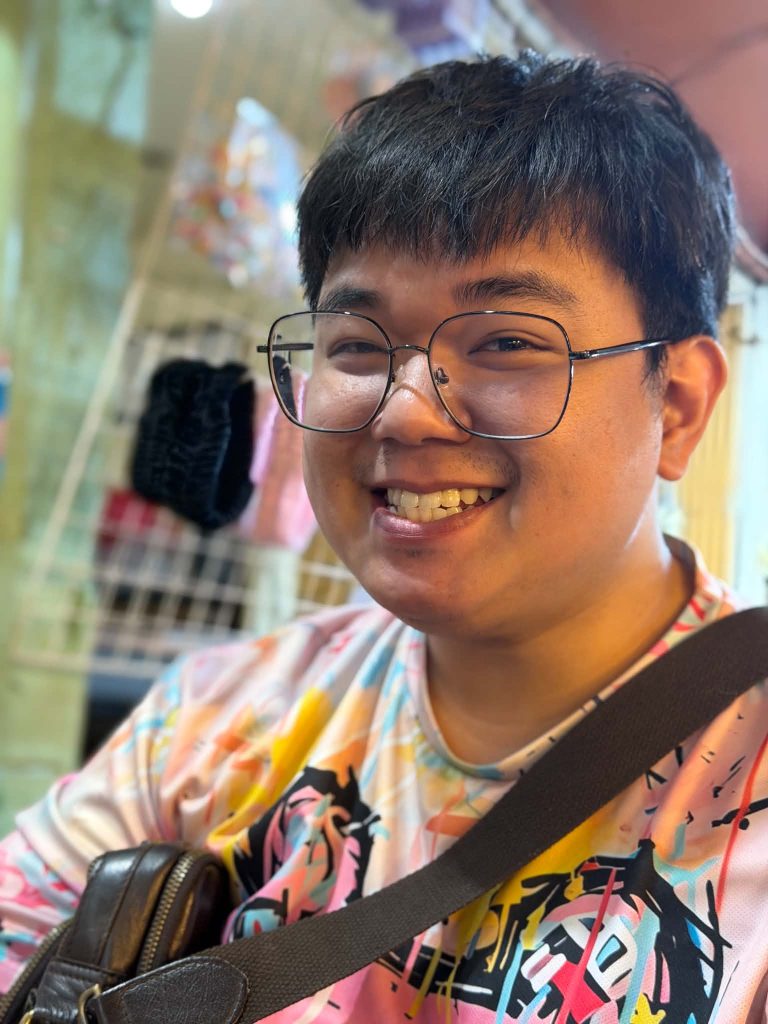
Xoncz Lee, 32
“I remember the earliest time I played in the river in Lawas. My dad was working at a factory there, and during the first few days, I remember taking a shower using water collected from the river.
We were only there for a few weeks, but I still remember the river being kind of yellowish. The road there was also filled with yellow sand, so I guess, for me, the colour of the river was normal. Regardless, it felt clean.
There, they collected water from the river and mixed it with rainwater for daily use, including cooking, washing and showering. For cooking, we also mixed rainwater with tap water.
I still remember the rice there tasted slightly different. Maybe it was because of the water.
Back then, there were no modern showers like we have now. We used a kong to scoop up the water for bathing.
I never went back after that because my dad retired, so I don’t really know how the river is now.
Nevertheless, rivers are important because we need water for almost everything — cooking, washing, bathing and our daily lives. Back then, we depended on that river for those things.”
Janice Manyie, 32
“One of my most memorable experiences with the river was when I was a little kid. The whole village, or longhouse, in Saratok literally carried me and brought me to Lubuk Nitik to bathe. I think it was an Iban ritual.
From what I understand, the purpose was to make sure that no spirit or anything from the river would harm me. I was too young at the time to really understand what was happening, but it remains one of my earliest memories of the river.
Back then, Lubuk Nitik seemed so big and clean. Now, I don’t know if it is because I am older, but the river seems much smaller.
During the holidays, it is usually packed with visitors and locals who go there to bathe. It is still clean, but I don’t think it is as clean as it was when I was younger.
You know how they say that if you find damselflies in the water, they can be an indicator of a clean river? I don’t see as many of them there as I used to.
Maybe that is one of the little things that makes you realise how much a river can change over time.”

Eugean Sherine Henry, 30
“The earliest and most memorable experience at my kampung river was when I was about five or six years old. I still remember it clearly. My father brought me to the river together with my cousins. I was quite stubborn at that time and so excited that I just went straight into the river. I almost drowned!
Luckily, my dad saw me. Instead of panicking, he laughed at me. Apuu!
The river has mostly been part of my life for leisure. Our river has also been upgraded and renovated, with a barbecue area and huts for people to come and relax.
But what I have noticed is that the river is getting dirtier. Some people still throw their household waste into the river, and there are even sewage pipes that flow directly into it.
That is the reason why I never bring my children there anymore.
I hope that we, as a community, can take better care of our rivers. They have been a source of food for our ancestors and have supported our communities for generations. If our rivers become dirty, it also reflects on us. We are slowly damaging something that our Creator has given us, and we have a responsibility to take better care of it. When our rivers are