Over coffee last Saturday morning at a food court in Kuching, a few Toastmasters members were having a conversation about an old question: Are leaders born or made?
Some said leadership was a gift that only a lucky few were born with. Others named people who had grown from shy students into confident managers, entrepreneurs and community leaders.
That question lies at the heart of the Toastmasters International tagline: “Toastmasters: Where Leaders Are Made.” It says leadership does not depend on birth, status or personality. It is a set of skills and behaviours that anyone can learn, practise and sharpen through experience. As Sarawak and Malaysia work to build a resilient, innovative and prosperous society, this message is especially timely.
Communication: The foundation of leadership
Leadership is about people. In business, government, education or community service, results depend on a leader’s ability to influence, motivate and unite others around a shared goal. A brilliant plan achieves little if nobody understands it. People must understand an idea before they accept it and accept it before they act on it.
Former US President Dwight D. Eisenhower called leadership “the art of getting someone else to do something you want done because he wants to do it.” People respond to authority but even more to understanding, trust and inspiration.
Leaders who communicate well align teams, settle conflicts and spur action. Those who communicate poorly struggle, however expert they are. Communication is not just one leadership skill among many. Leadership is built on it.
The power of listening
Public speaking gets most of the attention, but good leadership starts with listening. Epictetus said we have two ears and one mouth so that we can listen twice as much as we speak. Stephen Covey advised: “Seek first to understand, then to be understood.”
Leaders who listen closely learn what people need, fear and hope for. A manager can spot problems before staff resign and a business owner can find opportunities in customer feedback. Listening leads to wiser decisions and stronger relationships.
How Toastmasters develops leaders
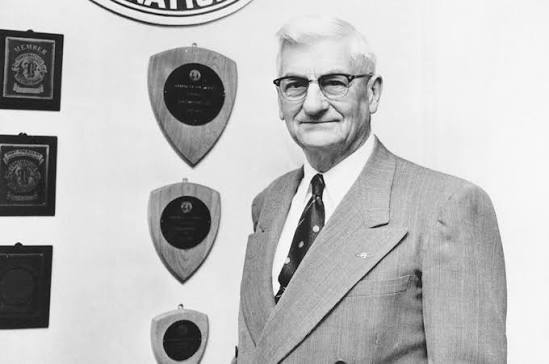
Since Ralph C. Smedley founded Toastmasters International in 1924, its method has been simple: learning by doing. Prepared speeches build confidence and clarity. Table Topics train members to think quickly under pressure. Evaluations sharpen listening and feedback skills. Meeting and leadership roles teach teamwork, planning and organisation. Leading clubs and districts gives hands-on experience in managing projects and motivating volunteers.
Over time, people who once dreaded public speaking become confident communicators and capable leaders.
Malaysians leading on the world stage
The best proof that leaders are made is close to home. Many Malaysian Toastmasters began in ordinary club meetings and went on to serve at the highest international levels.
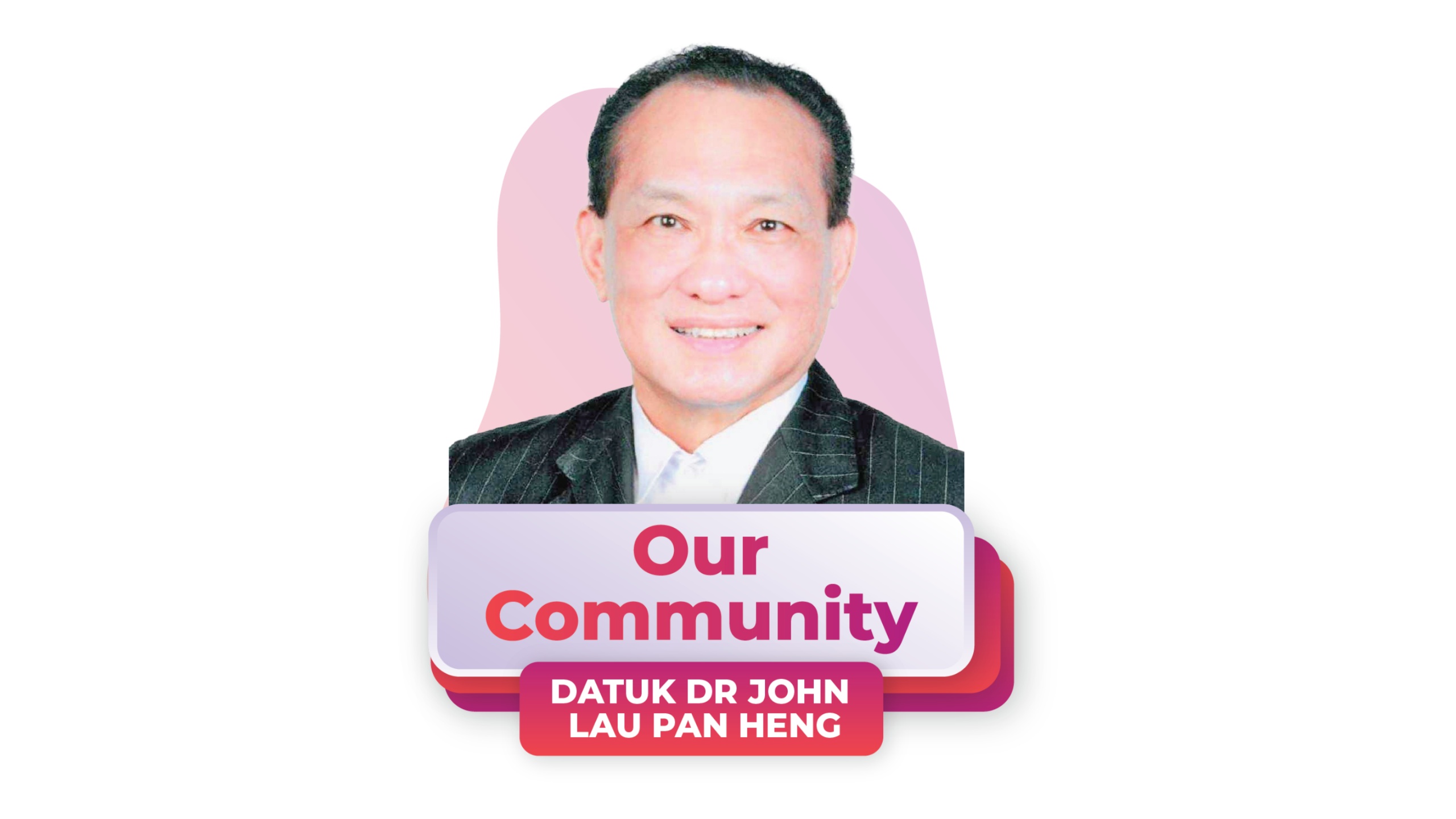
In 2012, John Lau of Kuching, Sarawak, made history as the first Malaysian elected International President of Toastmasters International. He served from 2012 to 2013, leading a global organisation of more than 280,000 members. Over the same period, Joseph Gomez of Petaling Jaya, Selangor, served as International Director from 2012 to 2014.
That tradition continues. Hani Nur Zaihanirah Zaini of Kuching was elected International Director for 2025 to 2027 on the Toastmasters International Board. Born in Limbang, she shows how Toastmasters turns quiet potential into global leadership.
Others have served with distinction as Region Advisors, mentoring district leaders across many countries. They include Dr A. Arulnathan and Ho Fong Ming of Kuala Lumpur, Thannimalai Letchumanan of Penang and Mohd Ariff Irwani Azahari of Kuching, Sarawak.
These ordinary citizens began as members who chose to give a speech, take on a role and keep growing towards leadership roles.
Why it matters for Sarawak and Malaysia
Sarawak and Malaysia have ambitious goals: digital transformation, sustainable development, green energy, a more diverse economy and greater prosperity for every community. Infrastructure, technology and investment alone will not get us there. We need capable leaders at every level.
Good communication drives progress. Productivity rises when expectations are clear and employees feel valued. Innovation grows when people feel confident to share ideas. Collaboration improves when leaders consult stakeholders before deciding. Young professionals are more likely to stay when they are coached and mentored rather than managed through command and control.
A well-known local proverb puts it this way: “Water takes its shape from its channel while human unity is achieved through consensus.” Consensus is possible only when people speak openly and listen with respect.
An invitation to grow
If leaders are made, leadership is not reserved for a select few. You do not need exceptional charisma, an impressive title or years of public speaking. What matters is the desire to improve yourself and make a positive difference to others.
Toastmasters offers a supportive place to build these skills, whether you are a student, executive or retiree. The Malaysians who have served on the world stage show how far that journey can go.
Sarawak and Malaysia need more leaders who listen with empathy, speak with clarity and bring people together towards a shared future. Such leaders do not appear by chance. They are shaped by continuous learning and practical experience.
Every meeting is a chance to build a better leader, and every better leader helps build a better nation.
Toastmasters: Where leaders are made.
The views expressed here are those of the writer and do not necessarily represent the views of Sarawak Tribune. The writer can be reached at drjohnlau@gmail.com.