By Nurul Ilma Salleh
Diversity alone does not guarantee better outcomes
DIVERSITY has become a defining feature of modern organisations.
Corporate reports proudly highlight multicultural teams, inclusive hiring policies, and global talent pipelines.
Yet diversity alone does not automatically lead to better decisions, stronger collaboration, or meaningful innovation.
Many organisations are discovering that assembling diverse teams is only the first step.
The real challenge lies in ensuring that people have the human capabilities required to work effectively across differences.
The reality of global and multigenerational workforces
In today’s interconnected economy, employees frequently collaborate across borders, cultures, and time zones.
Teams often bring together individuals with different perspectives, communication styles, and approaches to problemsolving.
When managed well, these differences can spark creativity and lead to better outcomes.
However, without the right interpersonal skills, diversity can just as easily create misunderstanding and tension within teams.
At the same time, workplaces are undergoing a generational shift. Millennials and Generation Z now form a large share of the global workforce.
These younger professionals bring valuable strengths, particularly their adaptability and comfort with digital technologies.
Yet many organisational leaders are noticing an emerging challenge: strong technical ability does not always translate into equally strong interpersonal capability.
Digital communication and the human interaction gap
Digital communication has transformed the way people interact at work.
Messaging platforms, collaborative software, and virtual meetings allow organisations to operate faster and across greater distances.
While these tools improve efficiency, they can also reduce opportunities for employees to practise important interpersonal behaviours such as active listening, constructive dialogue, and negotiation.
Over time, organisations may find that employees who are highly connected digitally are not always equally comfortable navigating complex human interactions. In diverse workplaces, this gap can become particularly visible.
Cultural differences often influence how individuals communicate, express disagreement, or interpret feedback.
Without awareness and sensitivity, even small misunderstandings can escalate into frustration and conflict within teams.
When diversity becomes a strength
Consider a multinational company developing a product strategy for several international markets.
The project team may include marketing specialists from Southeast Asia, product designers from Europe, and analysts from India.
Each member brings valuable knowledge about different markets and customer expectations.
However, during early discussions the team may experience communication challenges.
Some members may prefer open debate, while others may communicate disagreement more cautiously.
Without strong interpersonal awareness, these differences could easily create tension.
But when team members practise active listening, remain open to alternative perspectives, and engage respectfully in discussion, those same differences often lead to more creative ideas and stronger strategies.
Building the human capabilities that matter
This is why inclusivity is increasingly viewed as a strategic priority rather than simply a social aspiration.
Inclusive workplaces create environments where individuals feel respected, heard, and confident in contributing their perspectives.
When organisations cultivate such environments, diversity becomes a source of insight and innovation rather than a potential source of conflict.
To make diversity work, organisations must strengthen several human capabilities.
Emotional awareness is one of the most important.
Employees who can recognise and manage their own emotions while understanding the perspectives of others are better able to navigate disagreements and maintain trust within teams.
Cultural awareness is equally critical in global workplaces.
‘Individuals who understand cultural differences are more capable of adapting their communication styles and collaborating productively with colleagues from different backgrounds.
Beyond interpersonal awareness, organisations must also strengthen capabilities such as communication, collaboration, critical thinking, and creativity.
Turning diversity into a strategic advantage
For business leaders, the key lesson is clear: diversity alone does not automatically produce better outcomes.
Organisations must actively develop the capabilities that allow diverse teams to function effectively.
This means investing in leadership development programmes that emphasise communication, negotiation, and cross-cultural understanding.
It also means encouraging open dialogue within teams, where different perspectives are treated as opportunities for learning rather than sources of conflict.
Importantly, organisations must recognise that technical expertise alone is no longer sufficient in today’s global workplaces.
The most effective professionals combine technical knowledge with strong interpersonal and cognitive abilities.
When empathy, cultural awareness, and critical thinking complement technical skill, diverse teams become far more capable of solving complex problems and generating innovative solutions.
The future of diversity in organisations
Looking ahead, organisations that succeed in the global economy will not simply be those that assemble diverse teams.
They will be those that intentionally cultivate the human capabilities required to make diversity meaningful.
Diversity may open the door to new perspectives, but it is human capability, communication, cultural awareness, empathy, and critical thinking, that ultimately determines whether organisations can turn diversity into a lasting advantage.
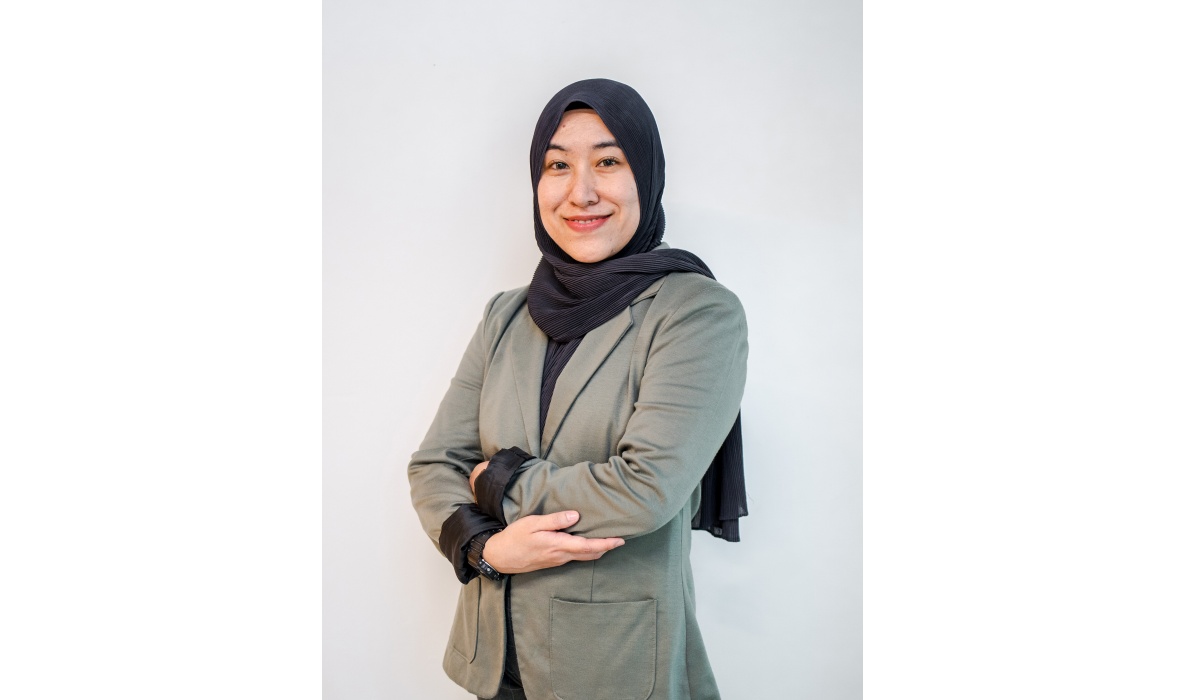
• Nurul Ilma Salleh, School of Business, Faculty of Business, Design and Arts, Swinburne University of Technology Sarawak Campus. Email: nisalleh@swinburne.edu.my
The views expressed here are those of the writer and do not necessarily represent the views of Sarawak Tribune. The writer can be reached at mvoon@swinburne.edu.my.