Beyond Profit and Planet
MANY people think of sustainability as finding a balance between making a profit and protecting the environment.
However, the role of people is often overlooked.
True sustainability occurs when we focus on people’s well-being alongside the planet and profit, as people are the ones who drive strategies and make every decision.
From a business perspective, “people sustainability” encompasses both the internal and external stakeholders of an organisation.
It addresses how an organisation treats, supports, and invests in employees, customers, suppliers, and the community.
Each group has a unique role to play in building an organisation that is sustainable based on the principles of trust, collaboration, and shared development.
Focusing on people in this way leads to better engagement, higher retention, and a more inclusive and adaptable workforce.
In broader terms, an organisation’s social responsibility is reflected in the “People” dimension of sustainability, which ensures equal treatment, inclusivity, and positive impacts on all stakeholders.
It goes beyond hiring procedures to cover how an organisation interacts with customers in an ethical manner, supports local communities, and promotes the betterment of the community.
Why It Matters for Businesses Today
In today’s fast-changing business world, sustainability is essential. Companies now face challenges such as high turnover, low engagement, and employee burnout.
The World Economic Forum’s 2023 report highlights that talent shortages and employee well-being are top concerns for leaders everywhere.
Deloitte’s 2024 findings show that companies focusing on employee well-being and purpose have three times better retention and innovation.
This proves that investing in people leads to lasting business success. SAP’s 2023 study found that 86% of business leaders believe supporting people improves both profits and environmental outcomes.
Employees at these companies feel more satisfied, productive, and supported in their careers (SAP, 2023).
All this evidence demonstrates that investing in people builds a stronger, more prepared workforce.
“People sustainability” is not limited to employees; it also involves meeting the needs of customers and suppliers, serving them with transparency and fairness to build trust and loyalty.
For example, when businesses design their products and user experiences to ensure fairness and accessibility, they foster inclusion and strengthen lasting relationships with their stakeholders.
Supporting local communities further enhances an organisation’s long-term reputation.
As ESG The Report notes, the ‘Three P’s’ framework includes ‘employees, customers and community members’, and encouraging employees to participate in community service and sustainability initiatives reinforces an organisation’s commitment to ethical business practices and the triple bottom line.
When organizations align internal well-being efforts with external impact, through skills training, supplier inclusivity or community partnerships, they create an integrated ecosystem for sustainable growth.
In Malaysia, the emphasis on people’s sustainability aligns with the national direction towards ESG and human capital development.
With the Bursa Malaysia’s Enhanced Sustainability Reporting Guide for the year 2023, companies are urged to disclose initiatives regarding workforce well-being, diversity, and social value.
As the future of the MADANI Economy unfolds, companies that prioritise people in their sustainability agenda will be better equipped to attract and retain top talent, earn public confidence, and sustain steady growth.
In Sarawak, this focus is even more relevant. The Post COVID-19 Development Strategy (PCDS) 2030 highlights the need to develop local talent and build a skilled workforce for the future.
A key priority is to upskill and reskill existing employees so they can adapt to changing industry needs.
In addition, PCDS 2030 emphasises inclusive growth, aiming to bridge the rural–urban gap and support the development of micro, small, and medium enterprises (MSMEs) to ensure that no one is left behind in the state’s transition towards a digital economy.
When businesses align with this effort, they strengthen their resilience and contribute to Sarawak’s vision of inclusive and sustainable growth.
Companies that prioritise their people demonstrate genuine leadership and drive the success of both their organisations and the communities they serve.
People Sustainability Strategies
Many strategies can be adopted within organisations to promote sustainability among employees.
According to a 2023 article by Vantage Circle, creating an inclusive workplace is one effective way to enhance sustainability.
This involves fostering a culture that makes employees feel valued and respected while also providing them with equal opportunities to contribute to the organisation’s success.
It is essential to create a workplace where all employees feel a sense of belonging and are encouraged to bring their whole selves to work.
In addition, investing in people is crucial. Providing a psychologically safe and healthy workplace ensures that employees’ well-being is prioritised.
By focusing on our employees’ physical and mental health, we can create a sustainable workplace that benefits everyone involved.
Continuous learning also plays a vital role in helping employees stay ahead of the learning curve and assists companies in aligning their goals towards a sustainable future.
As the world evolves, change is unavoidable. Organisations that prioritise continuous learning and development can better equip their employees to innovate and stay ahead of the curve, while also attracting and retaining top talent.
People sustainability is reflected not only in the workplace but also in how organisations engage with customers, suppliers, and communities.
For example, this includes providing accessible and fair services to customers, sourcing ethically from suppliers, and partnering with local communities to improve education and livelihood opportunities, particularly among underprivileged groups.
When organisations integrate these practices, they strengthen both their internal culture and their external relationships, building holistic and socially responsible ecosystems.
Building Success from Within
When companies place their people at the core of their business strategy, the benefits extend far beyond just good morale.
Supporting employee well-being and growth leads to improved retention, engagement, and performance.
Gallup research (2024) reveals that organisations with engaged staff experience up to 23% higher profitability and significantly less absenteeism.
Employees who feel valued and supported are more likely to innovate and remain with their employers long-term.
Focusing on people also enhances team productivity and flexibility. This is particularly important for Sarawak’s digital economy, as highlighted in the Sarawak Digital Economy Blueprint.
Companies that act responsibly build stronger trust with customers and investors who prioritise ethics.
The Edelman Trust Barometer (2024) found that nearly 70% of consumers prefer to purchase from businesses that treat their staff well and respect social values.
Businesses embracing inclusion, flexibility, and learning often discover that their employees become the firm’s greatest competitive advantage.
When staff members are healthy, motivated, and empowered, they create a ripple effect, driving innovation, strengthening customer relationships, and sustaining profitability in the long run.
True people sustainability begins with employees and extends to customers and the communities they serve.
When an organisation treats people as partners in progress, it builds the trust and resilience needed to withstand economic changes and strengthen the social fabric around it.
Building a Sustainable Future Starts with People
A sustainable future requires a genuine people-first mindset, treating employees as partners, valuing their contributions, and recognising them as the foundation of long-term success.
At the same time, organisations must also view customers and communities as integral parts of this ecosystem, listening to their needs, supporting inclusive growth, and creating positive social value.
When businesses value, invest in, and trust their people, they encourage innovation and strengthen their resilience to navigate disruption.
Ultimately, the workforce sustains the businesses, and together, employees, customers, and communities shape a future that is both responsible and commercially successful.
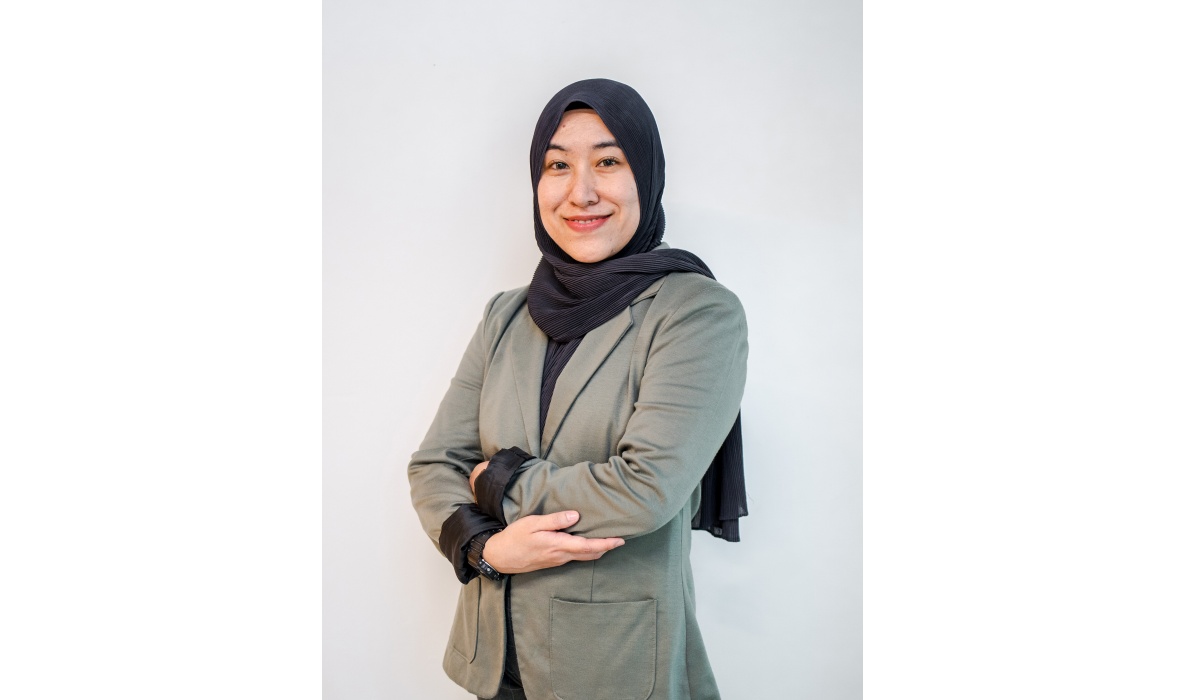
● Dr Voon Mung Ling, School of Business, Faculty of Business, Design and Arts, Swinburne University of Technology Sarawak Campus
The views expressed here are those of the writer and do not necessarily represent the views of Sarawak Tribune. The writer can be reached at mvoon@swinburne.edu.my.