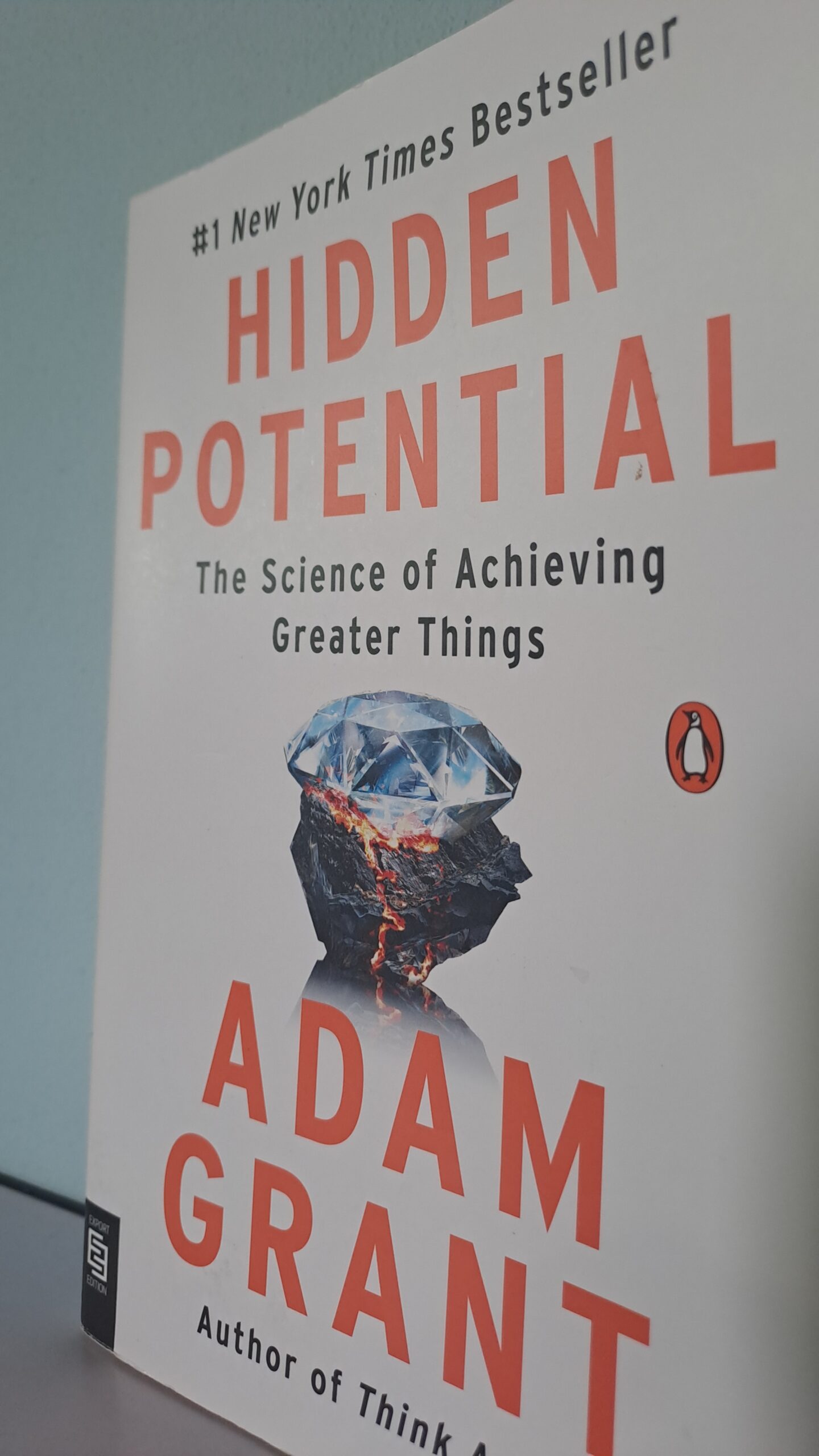
Title: Hidden Potential: The Science of Achieving Greater Things
Author: Adam Grant
Published: 2023
Publisher: Penguin Books
ISBN: 9780593512845
Price: RM69.95
“We delay tasks not because we lack discipline, but because they stir up discomfort and anxiety about failing, boredom, or fear of judgment.”
IS talent really the secret to success, or have we been measuring potentials all wrong? In Adam Grant’s 2023 book, ‘Hidden Potential: The Science of Achieving Greater Things’, Grant took his focus on one of the most enduring myths of our time, which is that greatness belongs only to the gifted few.
This book was recommended by a friend who is partially known in the friend group as an “overachiever”. I was surprised when he gifted this book to me on my birthday last July, and finishing this book was a whole experience. I read similar kinds of books back in the day, but this one caught my attention as it is easy to read.
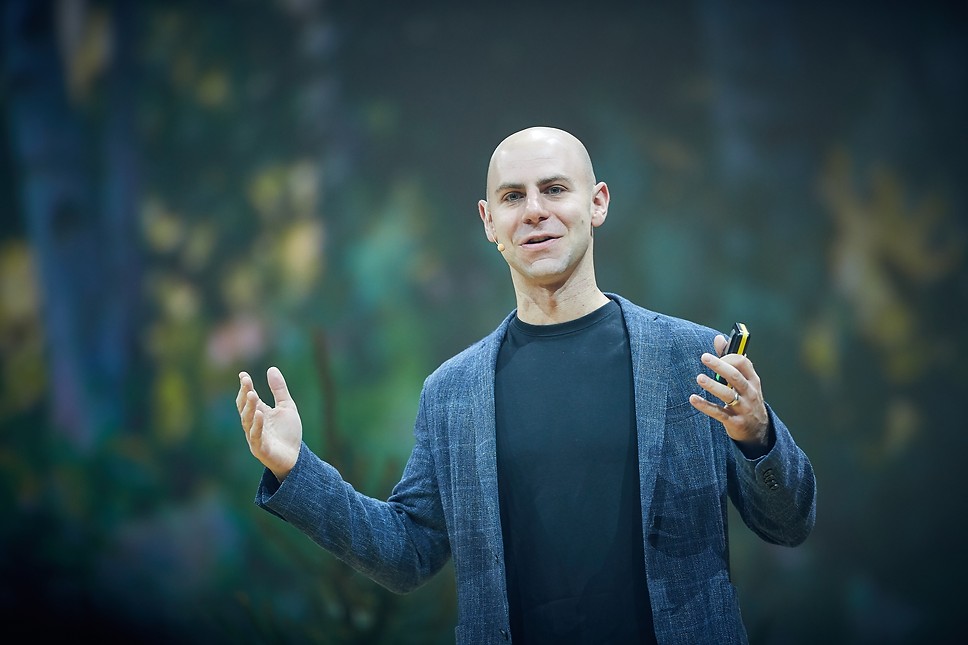
Grant is a professor at the Wharton School and also the bestselling author of ‘Think Again’. He is well known for translating psychological research into practical wisdom for everyday life, perfect for those who want to know more about their life and problems.
With his book ‘Hidden Potential’, he sets out to show that what matters most is not where you start but how you grow. This book tells us how extraordinary talent is lesser than overlooked skills and environments that allow ordinary people to achieve extraordinary things.
At the heart of the book is a simple but compelling argument: potential is not fixed. Grant argues that society places too much emphasis on early talent, such as star students, child prodigies, fast-rising athletes, or similar, while overlooking those who bloom later or progress more gradually.
By doing so, we miss out on recognising genuine growth.
Instead, he talks about the importance of “character skills” such as resilience, curiosity, humility, and emotional regulation. These, he suggests, often count more than raw ability. It is not the person who starts at the top who wins, but the one who learns, adapts, and persists.
As Grant puts it, “Progress should be measured by the slope of your growth, not just the height of your peak.” I like this quote because it highlights how our beginnings can be humbling and that their value is not defined by others’ validation.
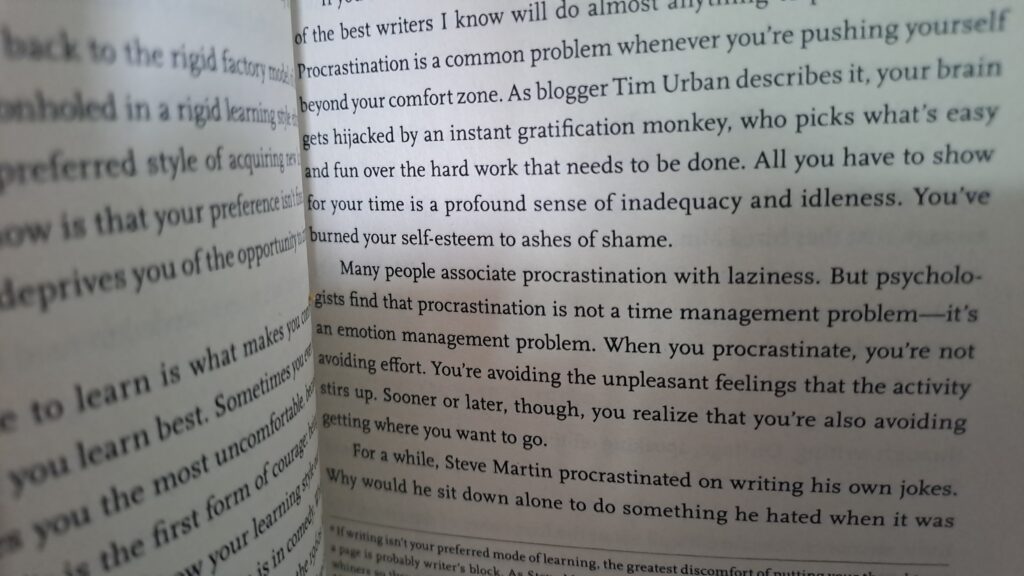
One striking example of this reframing comes in his discussion of procrastination. He said in his book, “When you procrastinate, you are not avoiding effort but avoiding the unpleasant feelings that the activity stirs up”, which is not what we usually think when we procrastinate.
Grant argues that procrastination is not a time-management failure or a sign of laziness, but an emotion-management problem. We delay tasks not because we lack discipline, but because they stir up discomfort and anxiety about failing, boredom, or fear of judgment.
Labelling this as “laziness” oversimplifies the issue and often adds shame, making the cycle worse. By treating procrastination as an emotional hurdle rather than a character flaw, Grant shows how growth depends less on perfect willpower and more on understanding and managing our inner world.
Another key theme in ‘Hidden Potential’ is that potential rarely flourishes in isolation. Effort is crucial, but so too is environment. From schools that nurture rather than shame mistakes to workplaces that encourage feedback and experimentation, Grant shows how systems can either unlock or stifle growth.
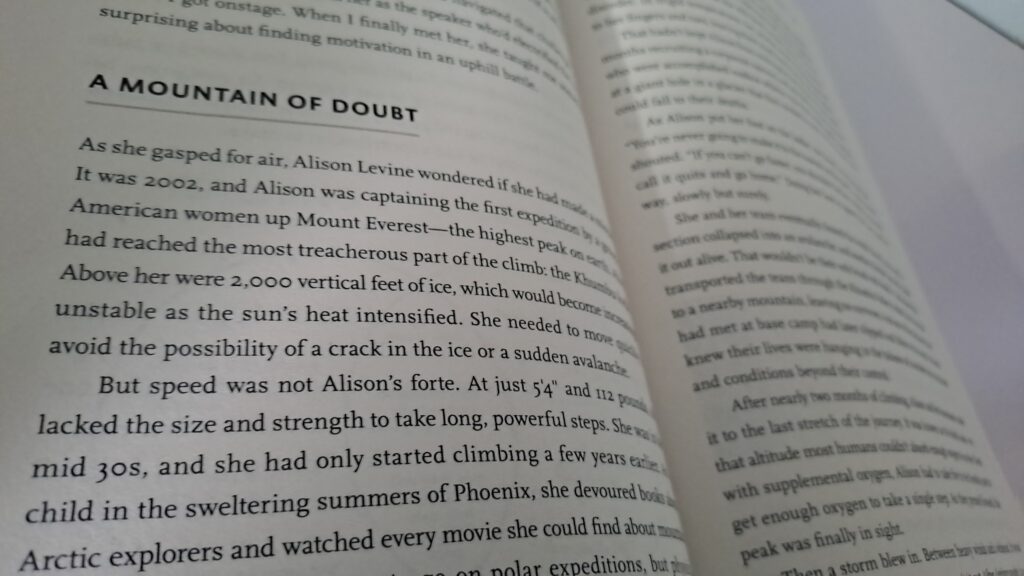
He draws on stories ranging from late-blooming athletes to pioneering educators, illustrating how the right structures, such as mentors, peer groups, and supportive institutions, will often make the difference.
In one striking example, he describes how feedback loops and deliberate practice turn failure into fuel for future success.
The message is clear: individual drive matters, but opportunity and support are just as critical.
Is this a good book? Well, ‘Hidden Potential’ shines in the way Grant blends well-researched psychology with engaging stories, making the science feel accessible and practical. Then, yes, it is a good book for daily readers such as myself.
However, some of its ideas may feel familiar to those who have read other popular psychology books like ‘Mindset’ by Carol Dweck or ‘Grit’ by Angela Duckworth, and at times, the optimism can seem a little too sweeping.
My final verdict here is that ‘Hidden Potential’ is not a radical reinvention of the self-help genre, but it is a thoughtful, inspiring synthesis of what we know about growth, mindset, and systems.
Adam Grant has a talent for making research readable and relevant, and in this book, he gives us a framework for seeing potential where we might have overlooked it, in ourselves and in others.