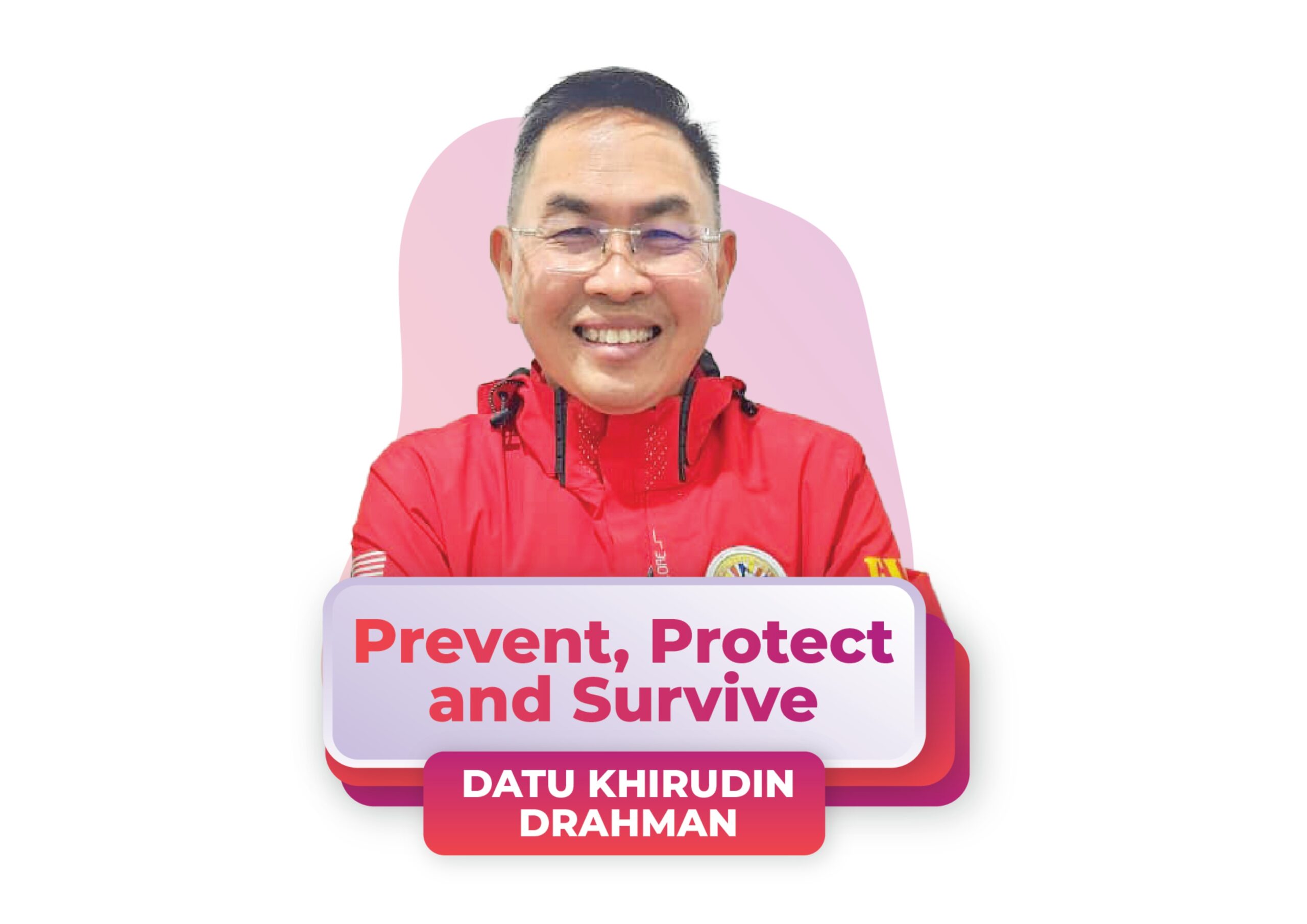
NOW that Gabungan Parti Sarawak (GPS) has unveiled its full line-up of 82 candidates for the 13th Sarawak general election (SGE13), the stage is set for the coalition to seek a fresh mandate from the people on Dec 12.
First and foremost, I would like to congratulate all the candidates, both incumbents and new faces, who have been entrusted by the coalition’s leadership to contest in their respective constituencies.
Premier and GPS Chairman, Datuk Patinggi Tan Sri Abang Johari Tun Openg, in announcing the line-up yesterday, introduced 11 new faces, accounting for approximately 14 per cent of the coalition’s candidates.
The inclusion of younger candidates and an increase in the number of women candidates are also welcome developments as GPS continues its leadership renewal while retaining experienced leaders.
Being selected as a candidate is undoubtedly an honour and a significant milestone in one’s political journey. However, it also comes with enormous responsibilities and expectations.
To all the candidates, I wish you well as you prepare to face the electorate.
At the same time, we should not forget those incumbents who have voluntarily decided not to seek re-election after years of service, as well as those who have had to make way for new candidates due to health reasons.
They, too, deserve our appreciation and gratitude for their contributions to their respective constituencies and to the development of Sarawak.
Political retirement should not necessarily mark the end of one’s contribution to society. Their experience, knowledge and understanding of grassroots issues remain valuable, particularly to those taking over from them.
I wish them good health and all the best in their future undertakings.
However, the main purpose of my column this week is to share some thoughts on the responsibilities that await those who are eventually elected on Dec 12, particularly the new faces and first-time candidates.
I would like to appeal to them to remain true to the purpose of their political struggle and never lose sight of the very reason they aspire to become elected representatives – to serve the people.
Winning an election is an achievement, but it is only the beginning of a much greater responsibility.
Ideally, every candidate should already have a clear vision, mission and set of objectives for his or her constituency even before filing the nomination papers on Nov 28.
They should have a reasonably clear idea of what they intend to accomplish over the next five years, should they be given the mandate.
What are the most pressing problems confronting their constituents? What infrastructure is still lacking? What opportunities are available to improve household incomes? What can be done to improve educational opportunities, create employment and empower local communities?
More importantly, what tangible achievements do they hope to present to their constituents at the end of their term?
These are questions that every aspiring elected representative should seriously ponder.
In my view, every assemblyman should have a comprehensive five-year constituency development plan, supported by realistic annual targets and measurable outcomes.
Such a plan should be formulated in consultation with community leaders, grassroots organisations, government agencies, non-governmental organisations (NGOs) and the people themselves.
After all, development should be driven by the actual needs of the people rather than merely by the personal preferences of their elected representatives.
Candidates should also refrain from making pledges and promises merely for the sake of winning votes.
There is nothing wrong with making commitments during an election campaign, provided these commitments are realistic, achievable and supported by a proper understanding of the resources available.
Promising something is easy. Delivering it requires planning, competence, commitment and perseverance.
One of the advantages available to elected representatives in Sarawak today is the existence of various government funding mechanisms and development programmes.
Under Abang Johari’s leadership, the GPS-led government has provided substantial resources to drive development and improve Sarawakians’ well-being.
These include Minor Rural Project (MRP) grants, Rural Transformation Projects (RTP) and the PPRMS housing programme, alongside regional development agencies tasked with accelerating infrastructure and economic growth.
However, funding alone does not guarantee successful development. Much depends on elected representatives’ ability to identify priorities, prepare proposals, coordinate with agencies and monitor implementation.
An assemblyman must go beyond securing allocations to ensure projects are completed satisfactorily and deliver tangible benefits to the community.
Development should also extend beyond roads, bridges and community halls. Equal emphasis must be placed on human capital, economic empowerment, education, entrepreneurship, employment opportunities and the welfare of vulnerable groups.
Under Abang Johari’s leadership, the Sarawak government has introduced 140 initiatives under the Post-Covid Development Strategy 2030 (PCDS 2030), aimed at improving livelihoods and transforming Sarawak into a developed, high-income economy by 2030.
These include educational assistance, free tertiary education, welfare support, healthcare initiatives and programmes empowering entrepreneurs and low-income households.
Elected representatives must understand these initiatives and ensure constituents know the benefits available and how to apply.
Their service centres play a vital role in connecting eligible individuals and families with government assistance, ensuring no one misses out simply due to a lack of information.
A constituency service centre should function not merely as a place for distributing assistance or receiving complaints, but also as a centre for information, public service and development coordination.
Accessibility is another essential quality of elected representatives. They must remain approachable and engage regularly with constituents throughout their term, listening to differing views and serving everyone regardless of political affiliation or voting choice.
Once elected, they represent the entire constituency, not just their supporters.
Representatives should also voluntarily present annual performance reports detailing completed projects, allocations utilised, outstanding issues and future priorities.
This would strengthen transparency, accountability and public confidence while encouraging regular self-assessment rather than waiting until the next election to account for their performance.
Ultimately, an elected representative’s effectiveness should not be measured by functions attended, speeches delivered, grants distributed or social media photographs, but by the positive and lasting changes brought to people’s lives.
Five years may seem long, but without clear direction, proper planning and disciplined implementation, it can pass quickly. Every day in office is an opportunity to make a difference.
To those entrusted with the people’s mandate on Dec 12, serve with integrity, humility, dedication and genuine commitment. Never let the privileges of office overshadow your responsibilities.
Remember, the people are not there to serve their representatives; representatives are there to serve the people.
Winning an election earns the mandate. What you achieve with it determines whether you deserve the people’s trust. That is the true measure of political success.
DISCLAIMER:
The views expressed here are those of the writer and do not necessarily represent the views of Sarawak Tribune. The writer can be reached at drnagrace@gmail.com.