KUCHING: Citizen-generated data (CGD) must be strengthened and aligned with national statistical standards to ensure Malaysia’s Sustainable Development Goal (SDG) reporting reflects real community needs and challenges, says Sarawak CSO-SDG Alliance co-chair Gabriel Hii.
Hii said impact measurements have for too long overlooked the lived realities of people on the ground, resulting in gaps between official reporting and the actual socio-economic conditions experienced by vulnerable communities.
“Citizen-generated data is our way forward if we want evidence-based and results-oriented progress on the SDGs.
“For too long, impact has been measured without fully capturing the lived realities of communities and civil society organisations (CSOs).
“By aligning our grassroots data practices with DoSM standards, we are ensuring that Sarawak’s stories, struggles, and solutions are recognised as part of Malaysia’s national development narrative,” he said.
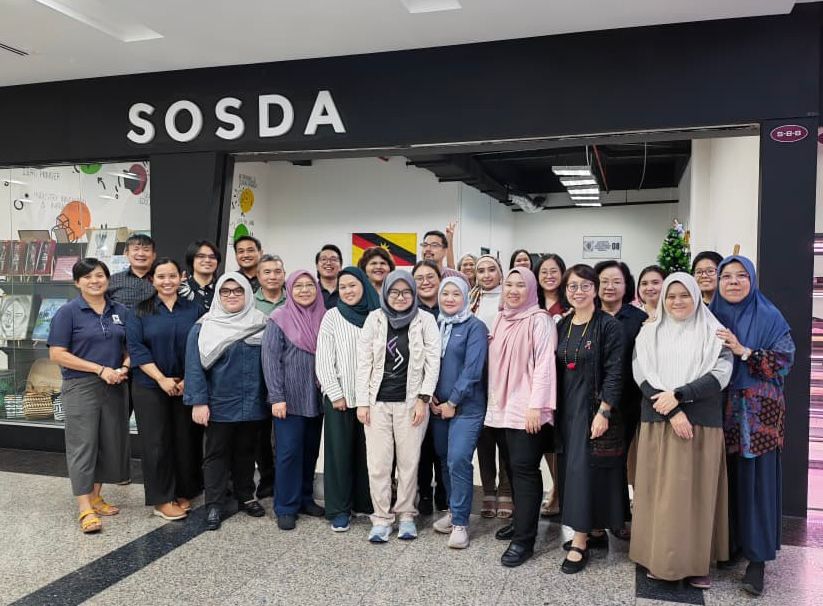
Hii was speaking during the recent two-day Capacity Building Workshop on Citizen-Generated Data, jointly organised by the Sarawak CSO-SDG Alliance and the Department of Statistics Malaysia (DoSM) at the Sarawak OKU Skills Development Association (SOSDA).
The workshop built on momentum from the September impact-measurement briefing and the Alliance’s recent Beyond SDG gathering, which called for stronger grassroots evidence in shaping sustainable development pathways.
As part of an ongoing collaboration between the Malaysian CSO-SDG Alliance and DoSM, the initiative aims to align CGD with national statistical standards and strengthen Malaysia’s SDG data ecosystem.
The Beyond SDG engagements reaffirmed that sustainable development must be rooted in the evidence contributed by those most affected.
More than 30 CSO representatives from across Sarawak took part in the sessions, which focused on Malaysia’s SDG statistical framework, DOSM metadata and definitions, research methodology, data governance, and identifying gaps across SDGs 1-17.
Participants also presented existing CSO studies and datasets and discussed ways to ensure their research meets national statistical quality requirements.
Through group discussions and practical exercises, Sarawak CSOs explored how to enhance their data collection frameworks, improve metadata documentation, and harmonise indicators for comparability with official statistics.
The workshop marked another step in efforts to build a people-centred, evidence-driven SDG data ecosystem in Malaysia, with DOSM and CSOs working together to ensure that community-level insights help shape policy direction and measure real impact.