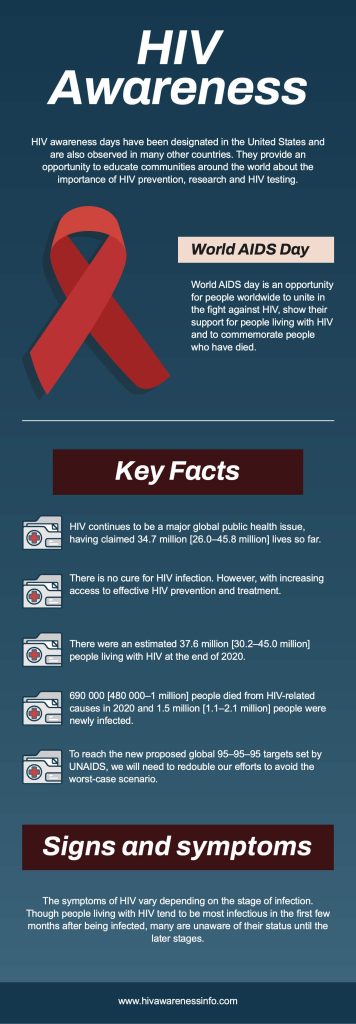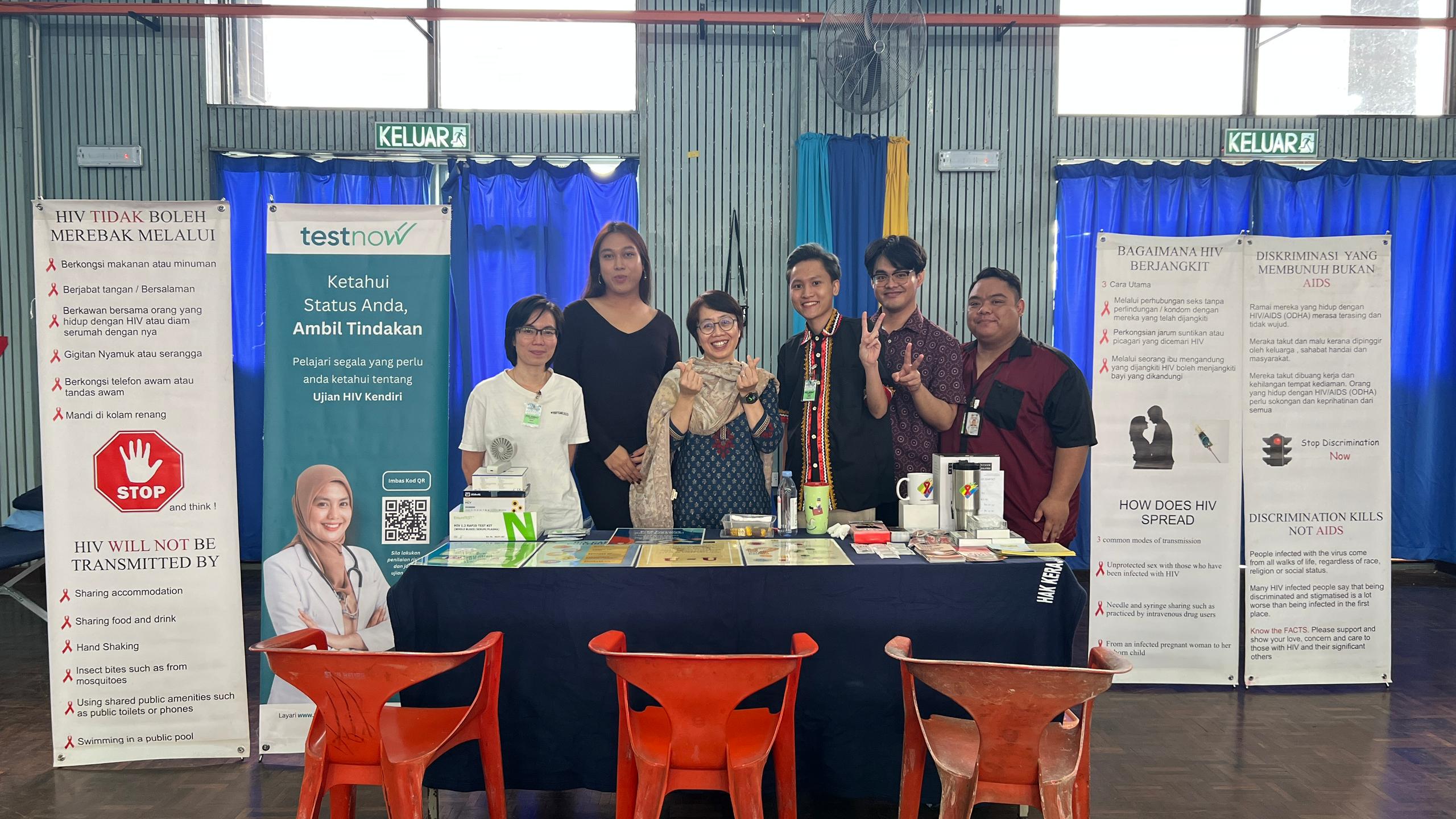
Once associated with fear and stigma, HIV is now a manageable condition thanks to medical advancements. This World AIDS Day, experts highlight the life-changing impact of U=U – a global movement showing that when HIV is undetectable, it is untransmissible, offering hope, dignity and a future to thousands.
Living Free from Fear
AT first glance, human immunodeficiency virus (HIV) may seem like a death sentence leading to acquired immunodeficiency syndrome (AIDS). However, innovations in medical science have shown that what was once considered fatal can now be treated and managed.
This World AIDS Day, the Sarawak Tribune raised awareness on U=U, an essential strategy for HIV prevention and a community-led global health campaign. According to UNIMAS, Institute of Health and Community Medicine, Associate Professor, Dr Yuwana Podin, U=U is a preventive medicine that means Undetectable HIV leads to Untransmissible HIV.

“A person living with HIV (PLHIV) needs to strictly adhere to treatment and management with medical professionals. This includes taking medications as prescribed and on time, and attending regular follow-ups, which include testing for viral load,” said the Malaysian AIDS Council EXCO member.
The purpose of these measures is to suppress the level of HIV in the body. She explained that when the viral load in a PLHIV becomes undetectable due to consistent adherence, the virus is no longer able to be transmitted to another person.
“This matters because it highlights the advancement of current HIV treatment and management, which many are still unaware of. It also emphasises the importance of adherence to treatment. Most importantly, unlike in the 90s, being infected with HIV is no longer a death sentence,” said Yuwana.
She added that U=U has also enabled serodiscordant couples (where one partner is HIV positive and the other is HIV negative) to conceive HIV-free babies while maintaining the HIV-free status of the non-PLHIV partner.
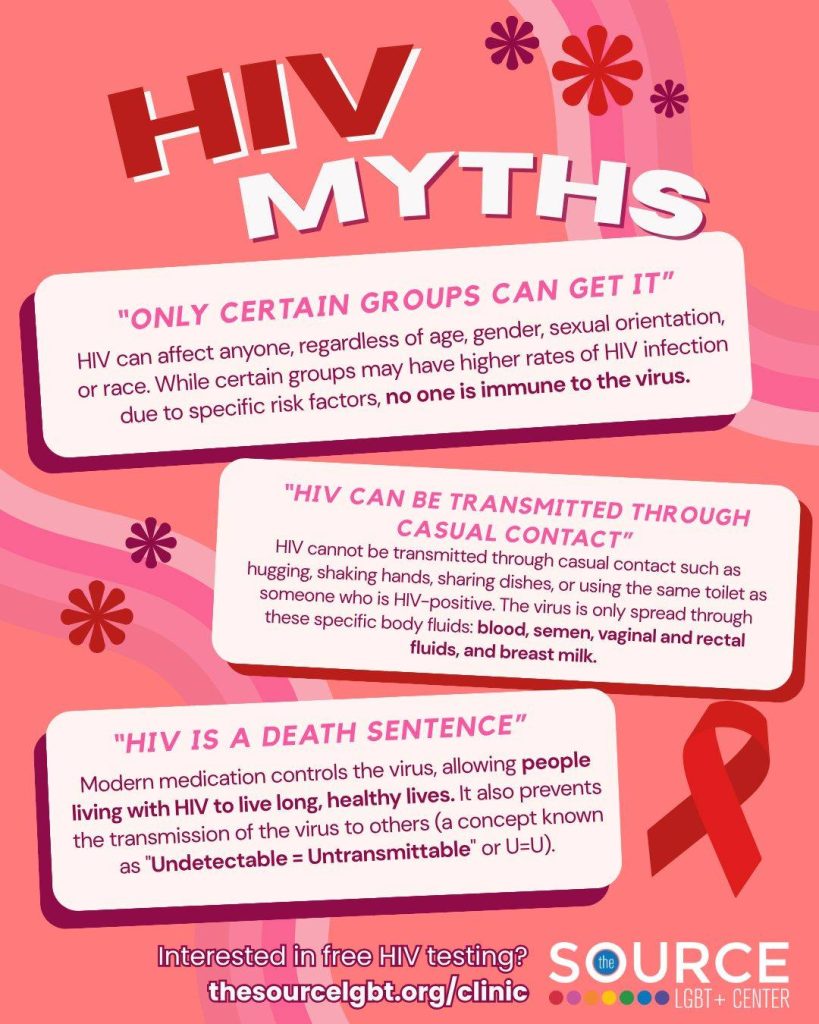
“U=U dispels many myths and misconceptions that people previously had about HIV infection.” she said.
In Malaysia, treatment is readily available in hospitals. Furthermore, Malaysians receiving first-line treatment are subsidised by the government in public healthcare.
“With all this support, patient empowerment in treatment adherence is integral to maintaining undetectable status,” Yuwana added.
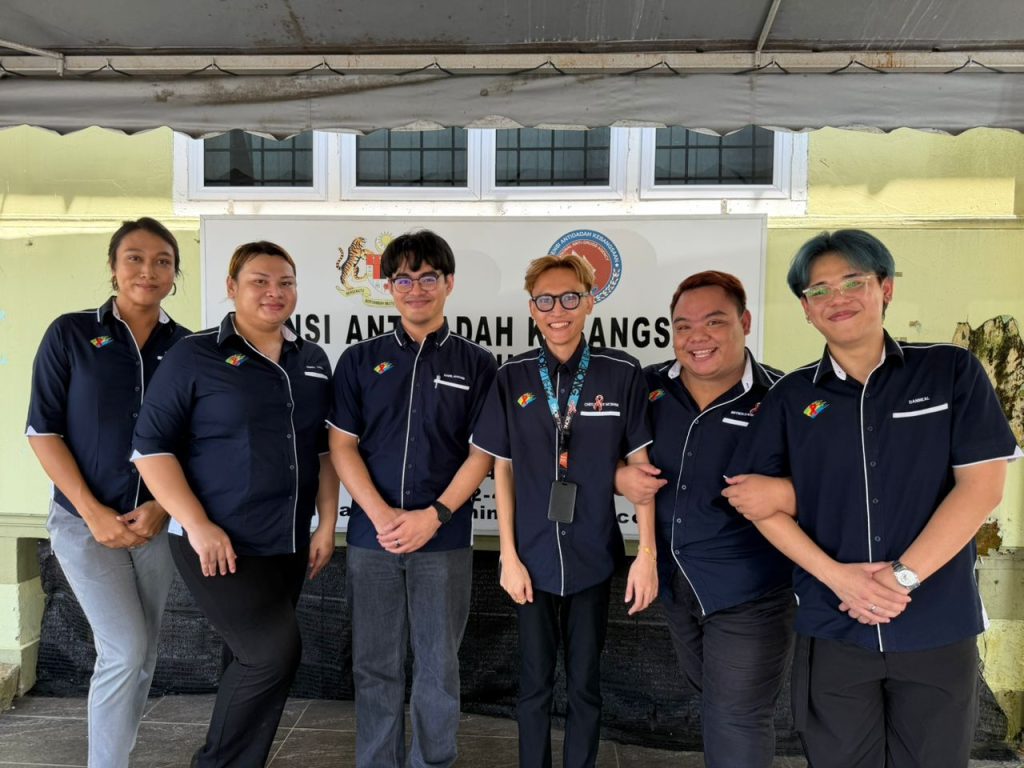
A brighter tomorrow with U=U
With effective treatment, people living with HIV are now reassured that contracting the disease is not a death sentence. They can participate in emotionally fulfilling relationships, knowing they have a future and a life to look forward to.
Socially, Yuwana – who is also an ordinary EXCO member and former president of the Sarawak AIDS Concern Society (SACS) – said that patients can feel a sense of belonging by engaging in a healthy social life. This motivates them to contribute to society, work, and be more involved.
In terms of relationships, U=U provides reassurance for serodiscordant couples who now see a future and hope together.
“They may be able to conceive and build a family. And with strict adherence to doctors’ advice, these couples can enjoy a more fulfilling sexual relationship too,” Yuwana shared.
As with any disease, regular screening and early detection are important. With early intervention and timely initiation of U=U treatment, patients can regain control of their health, protect their partners, and live full, long, and normal lives without the constant fear of transmission.
Malaysia and HIV
In Malaysia, the highest number of HIV cases ever recorded was in 2002, with 6,978 cases.
Last year, according to the Ministry of Health (MOH), 3,185 new HIV cases were recorded – a decrease compared to 2002, though a slight increase compared to 2,900 cases in 2023.
In accordance with Malaysia’s National Strategic Plan for Ending AIDS 2016-2030, the 95-95-95 target aims to ensure that all patients with HIV have access to treatment. The goals are: 95 per cent of people living with HIV are diagnosed, 95 per cent of those diagnosed are on antiretroviral therapy (ART), and 95 per cent of those on ART achieve viral suppression.
Last year’s report showed that 64 per cent of people living with HIV knew their status, 94 per cent of those living with HIV were on ART, and 93 per cent of those on ART were virally suppressed.
Meanwhile, as part of the MOH-funded collaboration between SACS and the Sarawak State Health Department, SACS runs the ‘Differentiated HIV Services for Key Populations’ (DHSKP) programme.
Under this initiative, community health workers trained and certified by government clinics provide the following free services:
- HIV screening (including pre- and post-test counselling);
- Other STI screening, where available;
- Referral to clinics for confirmation, treatment, and emotional support; and
- Referral to clinics for assessment by healthcare professionals for the pre-exposure prophylaxis (PrEP) programme
For more information, the public can contact SACS via sarawakaids@gmail.com