This day, we try reading without looking — learning how six tiny dots can turn words, names, and even Kuching itself into something you can feel.
Can you read this without looking?
What if reading did not depend on sight at all?
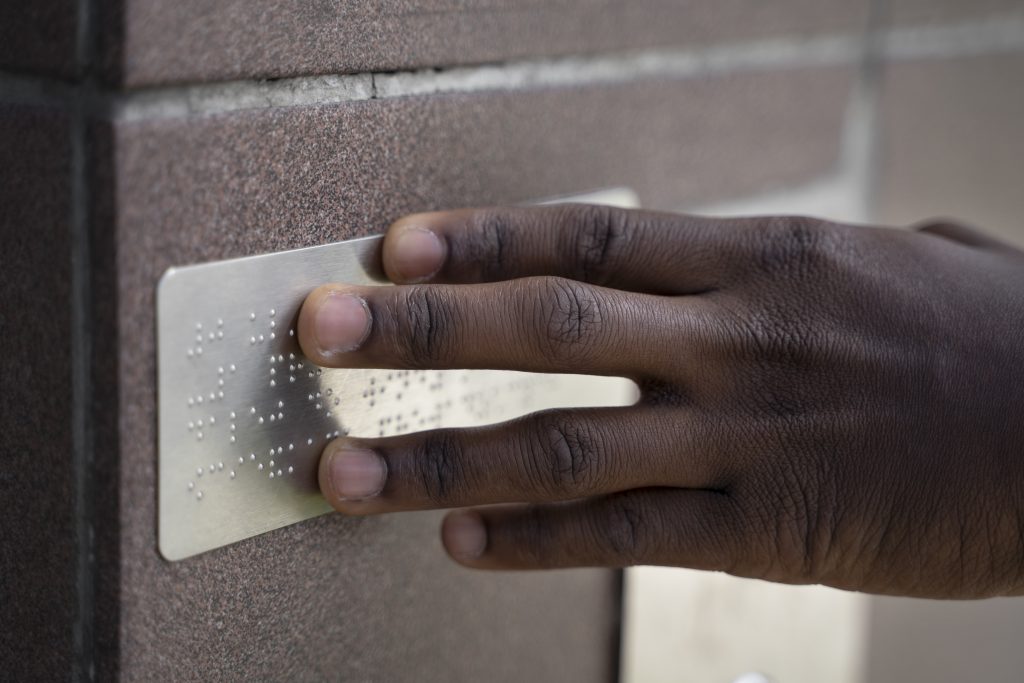
Imagine closing your eyes and tracing tiny raised dots with your fingertips, slowly turning texture into meaning. This is how millions of people around the world read every day — through Braille.
Observed on January 4, World Braille Day honours the birth of Louis Braille, the man who created the tactile writing system that opened the world of reading and education to people who are blind or visually impaired.
But beyond history and awareness campaigns, Braille remains very much a living, relevant skill — and one that anyone can learn.
This World Braille Day, let’s start with something simple.
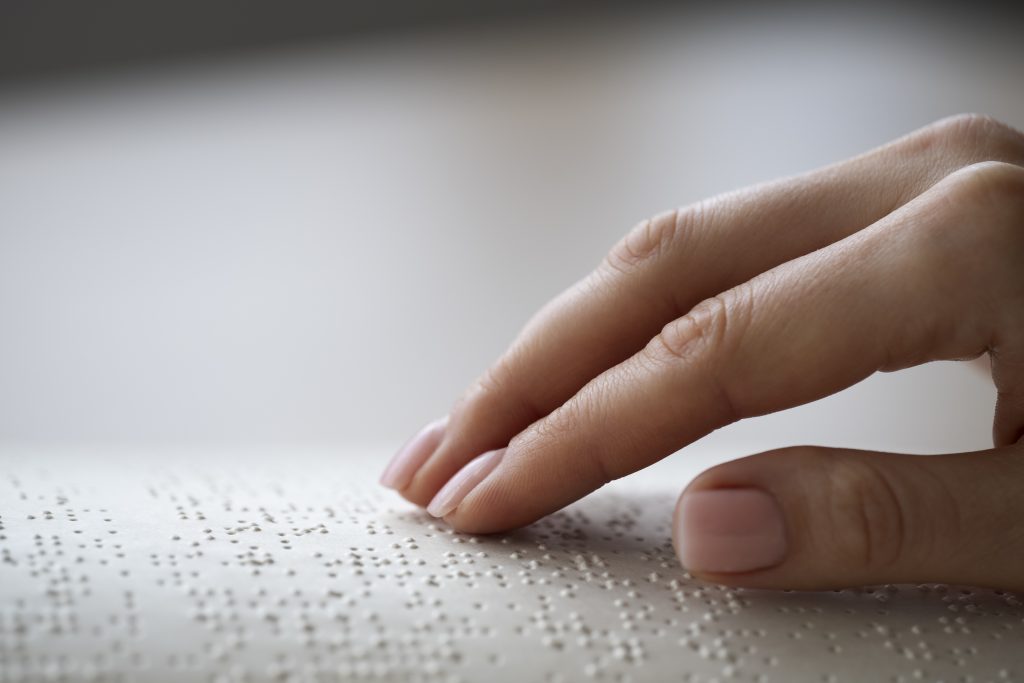
What do words feel like?
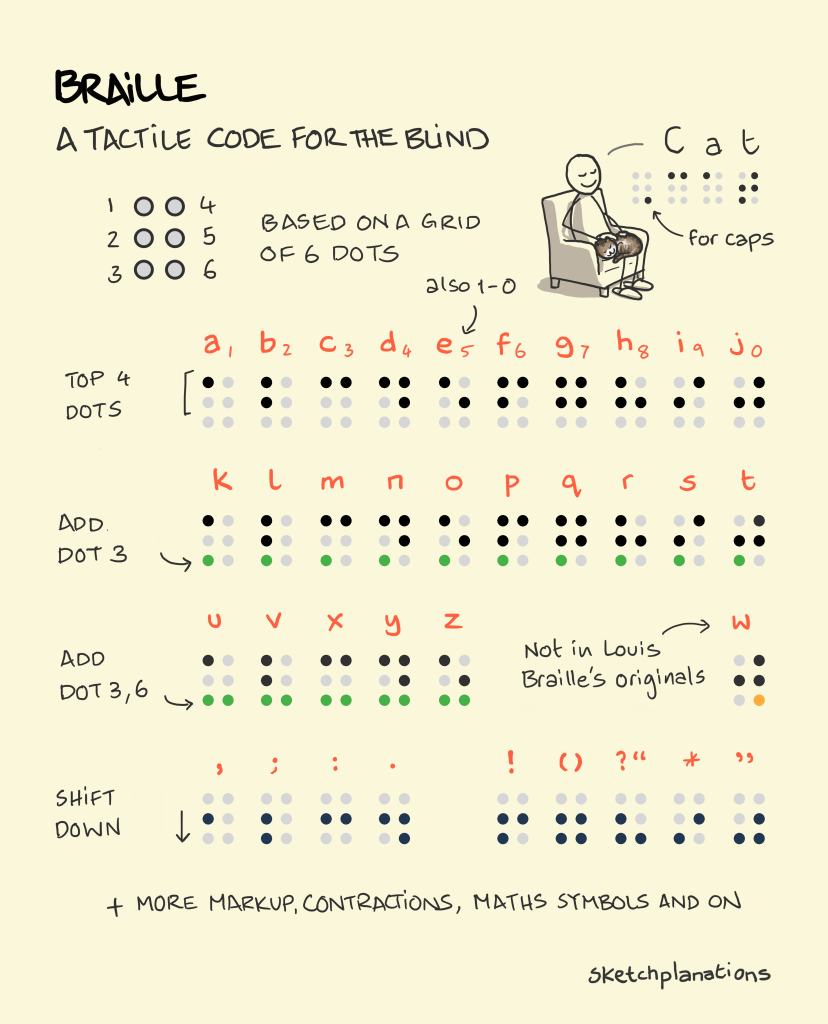
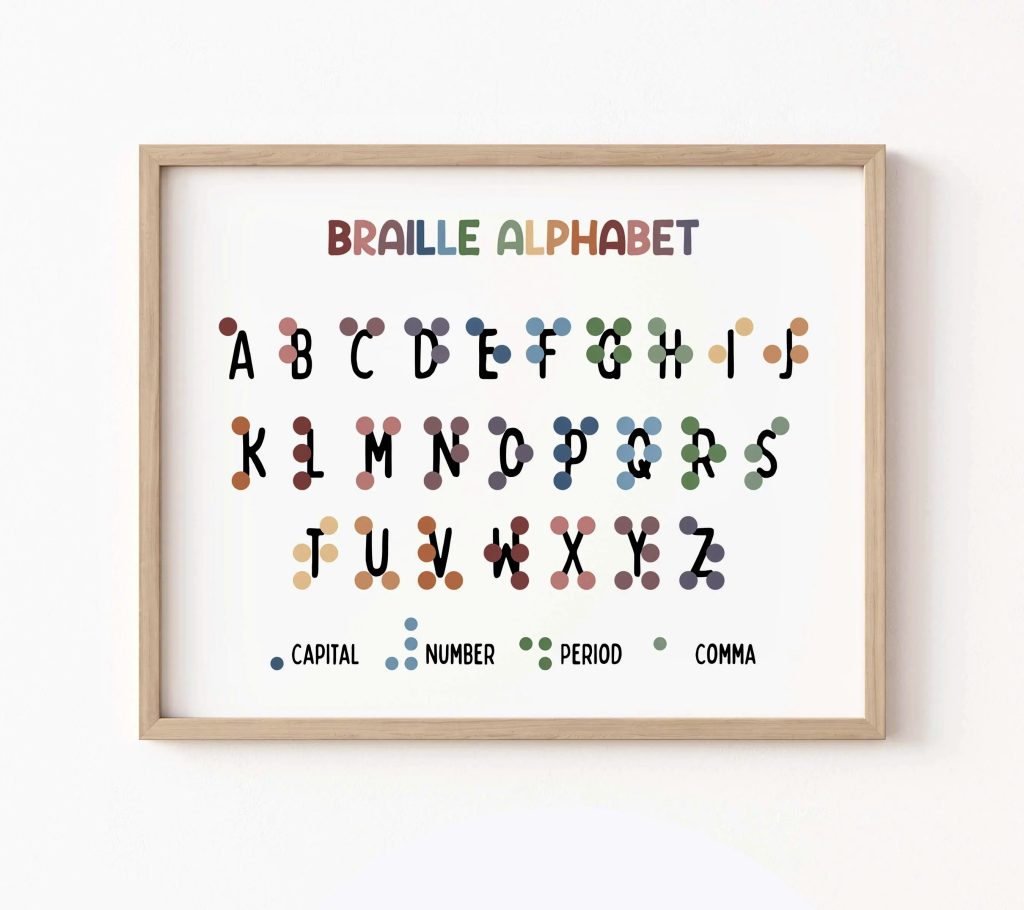
Braille may look complicated at first glance, but it is built on a surprisingly simple idea. Each Braille character is made up of six dots arranged in a rectangle, with different dot combinations representing different letters, numbers, and symbols.
Change one dot, and the letter changes.
For beginners, learning Braille often starts with basic, familiar words — words that feel comforting and recognisable.
Take “HELLO”.
Or “LOVE”.
Or even “KUCHING”.
In Braille, each of these words is spelled letter by letter, just like print. But instead of ink on paper, the letters rise gently from the surface, meant to be felt rather than seen.
For someone reading Braille fluently, the fingertips move as quickly and naturally as eyes scanning a page.
Try this: imagine running your fingers across those raised dots, identifying patterns rather than shapes. It is slower than reading with your eyes — at least at first — but it requires focus, patience, and practice. And once learned, it becomes second nature.
Braille is not a language of its own. It is a code — a system that allows written languages, including English and Bahasa Melayu, to be read through touch.
It is also used for mathematics, music notation, and even computer coding, proving that it is far from outdated in today’s digital world.
Your name, in dots
Now, think about something more personal: your name, written in Braille.
Each letter forms its own dot combination, creating a tactile pattern as unique as you are.
For many people who are blind or visually impaired, learning to read and write their name in Braille is one of the first steps towards independence.
But you do not need to be visually impaired to learn Braille.
Anyone can start by learning how their name feels in dots. There are Braille charts and online converters that show how each letter is formed, allowing beginners to explore the system at their own pace.
What begins as curiosity often turns into a deeper appreciation of how reading works when sight is removed from the equation.
Learning Braille, even at a basic level, changes the way people think about accessibility. It reminds us that reading is not just about seeing words — it is about understanding, connection, and access.
For sighted readers, trying to read Braille can be humbling. It slows you down. It makes you more aware of each letter, each word. And in that slowness, it builds empathy.
Learning Braille locally
While learning your name in Braille is a personal first step, many in Kuching can explore Braille more formally through local programmes and workshops.
The Sarawak Society for the Blind has long played a vital role in supporting individuals who are blind or visually impaired, offering education, training, and advocacy.
Through its work, Braille continues to be taught, used, and preserved as an essential tool for literacy and independence.
Braille education is also included in special education programmes at schools, where students with visual impairments learn to read and write using tactile methods.
Community programmes, workshops, and volunteer initiatives further help raise awareness and promote inclusivity, showing that Braille is accessible to everyone.
Learning Braille today doesn’t have to start in a classroom. You can begin right at your fingertips with mobile tools such as Braille Tutor and Braille Academy — apps that introduce the six‑dot system, basic letters, and simple words, making it easier for beginners to explore Braille at their own pace.
There are also accessibility apps like Be My Eyes, which can assist users in navigating daily visual tasks.
While apps cannot replace hands-on learning, they offer a handy first step for anyone curious about how Braille works before taking the next step locally.
Why Braille still matters today
In a world dominated by screens, voice assistants, and audio content, some may wonder whether Braille is still relevant.
The answer is yes — deeply so.
Braille is not just about reading. It is about literacy. It allows individuals who are blind or visually impaired to understand spelling, grammar, and punctuation in ways that audio alone cannot provide.
It supports education, employment, and independence, giving users control over how they access information.
More importantly, Braille represents choice.
For some, it is the difference between listening and reading. Between dependence and autonomy. Between information being given and knowledge being claimed.

Feeling words differently
World Braille Day is not only about recognising a system of dots. It is about acknowledging the importance of access, inclusion, and understanding.
Learning Braille does not require mastering the entire code. It can start with one word. One letter. One name.
This World Braille Day, try imagining how words feel instead of how they look.
You may not become fluent overnight, but you might walk away with a new perspective — one that reminds us that reading, in all its forms, is a right that should be felt by everyone.

Want to try learning Braille in Kuching?
Curious about how Braille works — or keen to learn more than just one word? You don’t have to look far.
📍 Sarawak Society for the Blind (SSB), Jalan Ong Tiang Swee
SSB is one of the main organisations in Sarawak supporting people who are blind or visually impaired, and a key place where Braille is still actively taught and used.
What you can expect:
- Basic Braille literacy classes and workshops
- Hands-on learning with trained instructors
- Sessions that introduce the six-dot Braille system
- Community-based programmes focused on independence and access
When are the classes?
Braille classes and workshops are usually organised periodically, not on a fixed weekly schedule. Dates depend on programmes, collaborations, and demand.
How much does it cost?
Good news — many Braille workshops held by SSB have been free or low-cost, especially those aimed at awareness, literacy, and skills development.
How to find out more:
📞 Call 082-424046
📧 E-mail: ssbkuchingbranch@gmail.com
Ask about upcoming Braille classes, literacy workshops, or awareness programmes.
Tip: Even if you’re not visually impaired, you can ask about learning opportunities, volunteering, or joining awareness activities. Sometimes, all it takes is one phone call — and one word in Braille — to see reading differently.