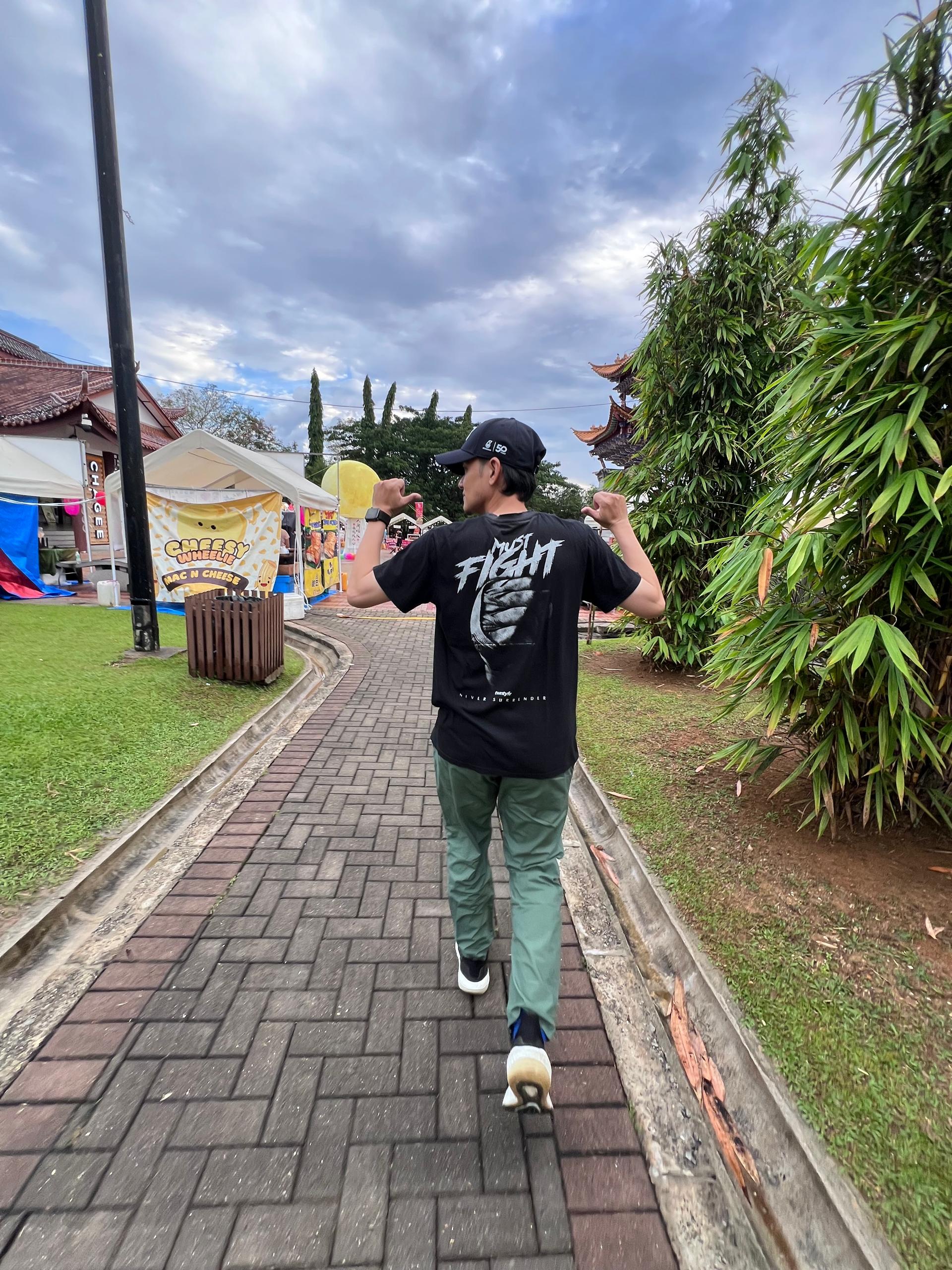
Being declared “clear” did not mean that life returned to normal for Mahathir Abu Bakar. Years after his diagnosis, he reflects on what cancer quietly changed — from his body and daily routines to how he understands time, love and being present.
Living with what cancer leaves behind
Mahathir Abu Bakar still remembers the smile.
It came easily, almost uncontrollably, on the day his doctor told him he was “clear”. At 44, after years of treatment and waiting, it was the kind of news he had imagined countless times.
Relief arrived first — so strong that he could not stop smiling.
“I really couldn’t stop smiling. I was so happy for myself, and also happy knowing I no longer had to make the people around me worry,” he recalled.
What surprised him most was not the joy, but the certainty.
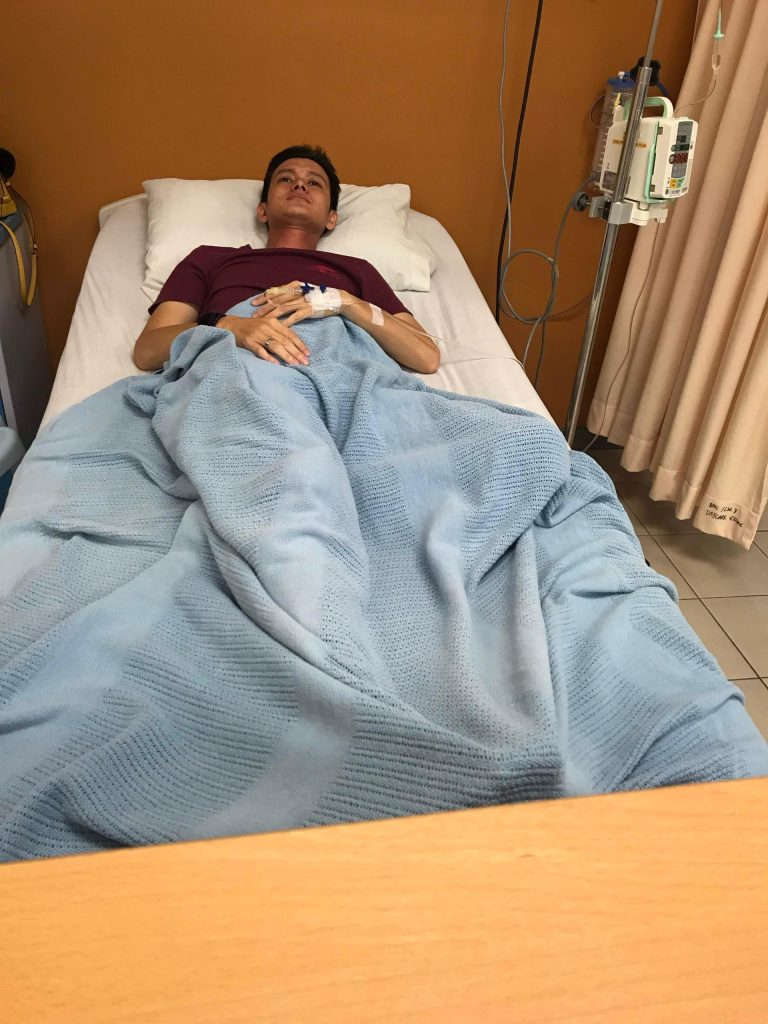
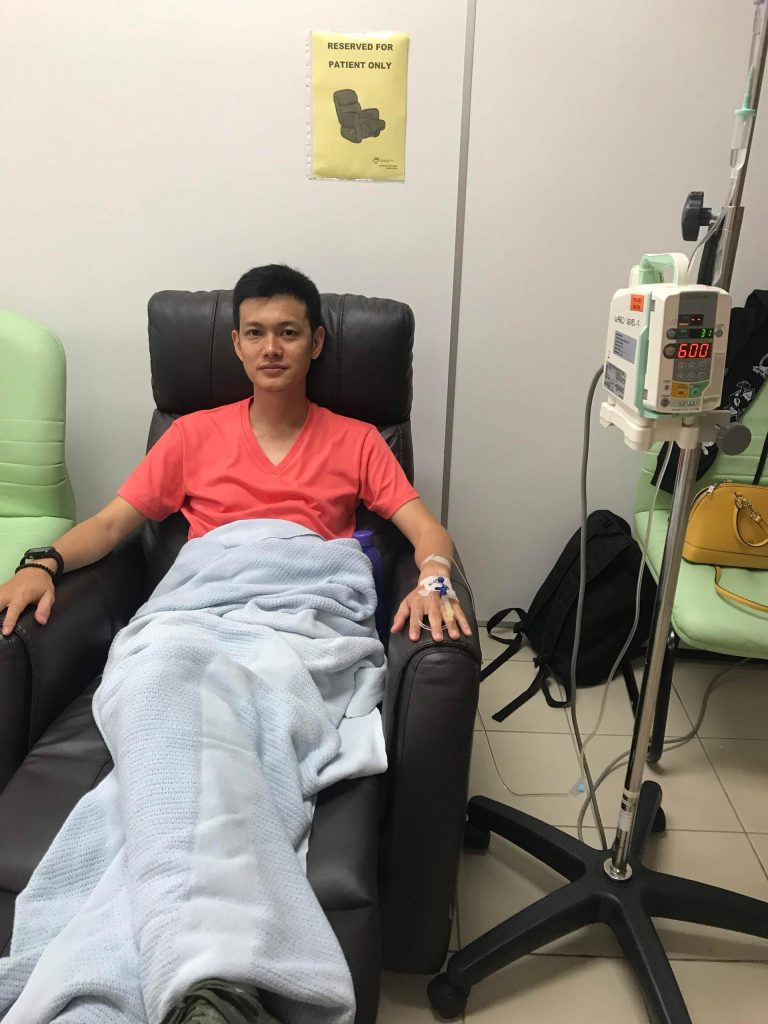
“This time, I didn’t need to pretend. I knew I was clear. I didn’t have to act like it,” he said.
Still, the word came with an important clarification. His doctor explained that being declared “clear” did not mean being free from cancer.
Medically, that would only come after five years of monitoring. It was a distinction that stayed with Mahathir, quietly shaping how he understood his recovery.
In May 2023, he was declared “clear”. Five years after his diagnosis, in 2024, he was officially declared cancer-free.
For most people, the terms might sound interchangeable. For Mahathir, they marked different emotional stages. “Clear” meant relief. “Free” meant release.
Mahathir was 36 when he was diagnosed with nasopharyngeal cancer on June 4, 2018.
At the time, the focus was solely on survival. Life beyond treatment did not exist as a concept. There were appointments to attend, procedures to endure and days to get through. Thinking too far ahead felt impossible.
It was only later, after treatment ended and hospital visits became less frequent, that he began to notice how cancer continued to live on — not in his body, but in his daily routines.
Adjusting to a different body
He felt it first in movement.
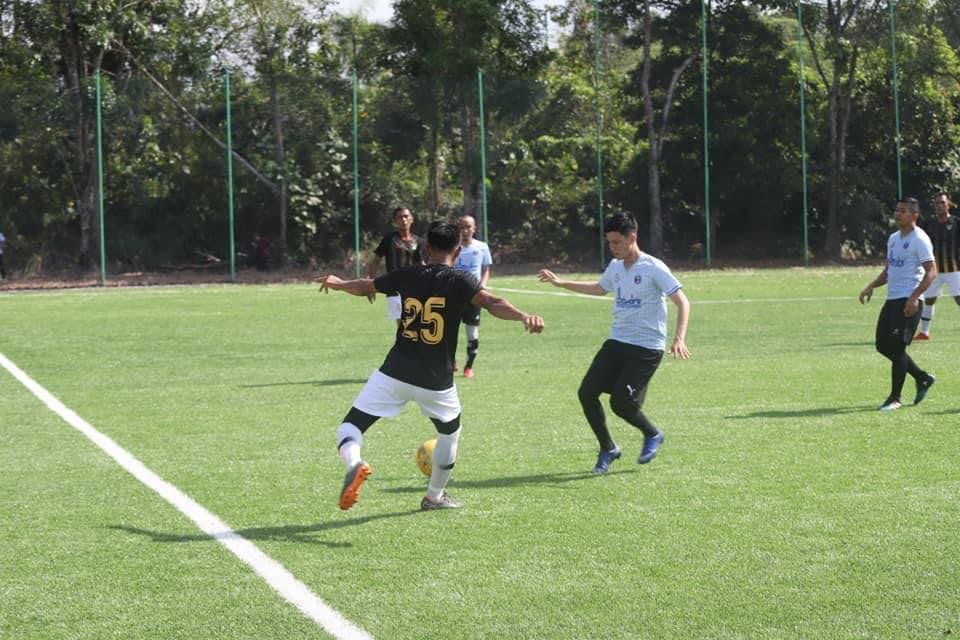
Before cancer, sports were part of his life. Football and futsal were not just weekend activities, but habits woven into his life.
Today, he can still play, but he does so carefully. His body feels more fragile and more prone to injury. Recovery takes longer than it used to.
“I don’t know if it’s because of the cancer treatment or just age — maybe both,” he said with a laugh.
After radiotherapy, his doctor warned him that his upper body would be more sensitive and vulnerable. Heavy lifting was no longer recommended.
Since then, Mahathir has learned to listen to his body in a way he never had to before. He has shifted towards brisk walking and light exercise, avoiding anything that might push him too far.
It is not fear that guides these choices, but caution — a quiet understanding of limits.
What eating means now
Food, too, became a daily reminder of change.
Before his diagnosis, one of his favourite foods was ikan long masin, a type of salted fish. Later, he learned it was among the foods linked to nasopharyngeal cancer.
“That part was really sad. I loved it. Giving it up felt like losing something small but familiar,” he admitted.
Still, he accepted it.
“It’s okay. There are many other foods,” he added.
In the months following treatment, food tasted strange. Meals felt unfamiliar, sometimes even unpleasant. Slowly, his sense of taste returned.
Today, food tastes normal again — perhaps even better, because it comes with awareness. Knowing what to avoid gives him a sense of control. Eating is no longer about indulgence, but understanding.
Along the way, advice came freely. Friends and acquaintances often suggested what he should or should not eat, based on things they had read online or heard from others.
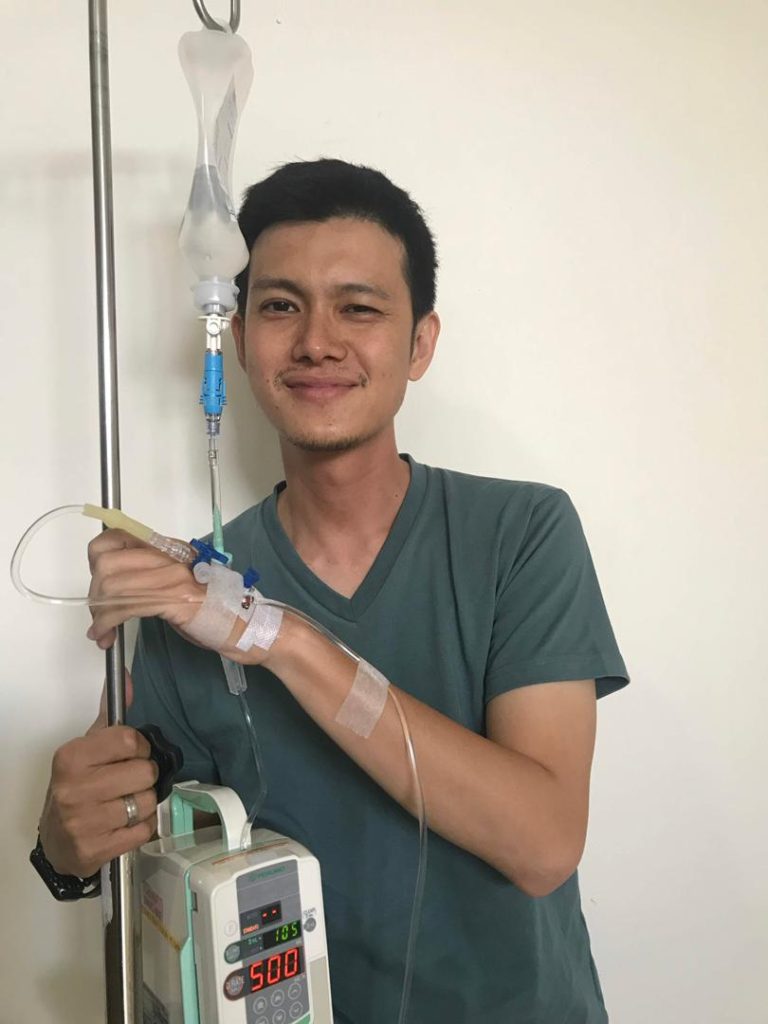

Mahathir listens, sometimes with a smile.
“Sometimes I just listen. Sometimes I follow it, sometimes I don’t. But I know they’re just concerned, and I appreciate that,” he said.
Despite the adjustments, fear does not define his life now.
When asked if a quiet fear still lingers — not panic, but something constant — Mahathir thought for a moment before answering.
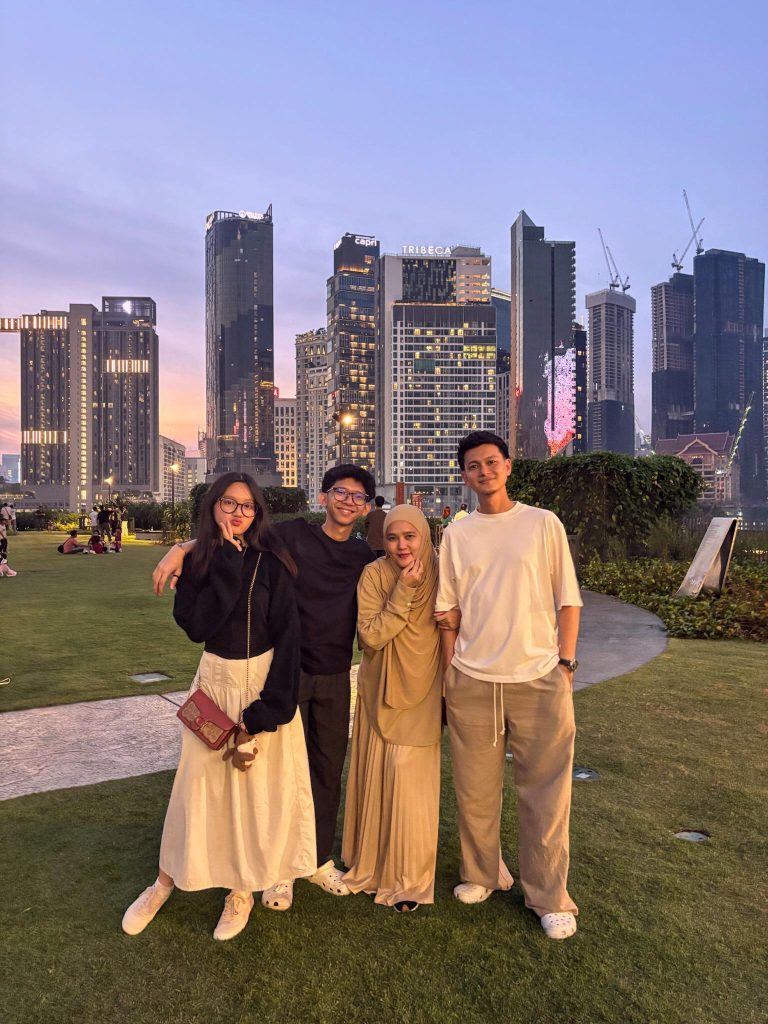
“Not really,” he said.
What remains instead is awareness. He is conscious of his body, his habits and his health — but without the weight of constant anxiety.
Cancer no longer dominates his thoughts, even though it has reshaped his life.
Time, memory and what comes next
Time, however, feels different.
Before cancer, plans stretched far into the future. Now, Mahathir lives more deliberately in the present.
He focuses on making happy memories, spending time with the people he loves and taking each day as it comes.
“I just live day by day now — with my loved ones,” he said.
When he allows himself to think about the future, it is not framed by ambition or milestones. His hope is simple and deeply personal.
“I just hope I’ll be around to see my grandkids be successful when they grow up,” he said, smiling.
Yet the emotional journey did not end when treatment stopped.
Follow-up appointments brought a different kind of tension. Sitting outside ear, nose and throat (ENT) and oncology clinics, waiting for results, Mahathir felt the familiar nervousness return.
“I still feel nervous. But I try to act cool,” he said.
Especially in front of his wife. She had been by his side since the first day of his diagnosis, and he did not want her to worry more than she already had.
There was one moment during treatment when he nearly gave up. By the fifth week — his fifth round of chemotherapy — the exhaustion became overwhelming. He wanted to stop.
It was his wife who held him steady then, encouraging him to continue when he felt he could not.
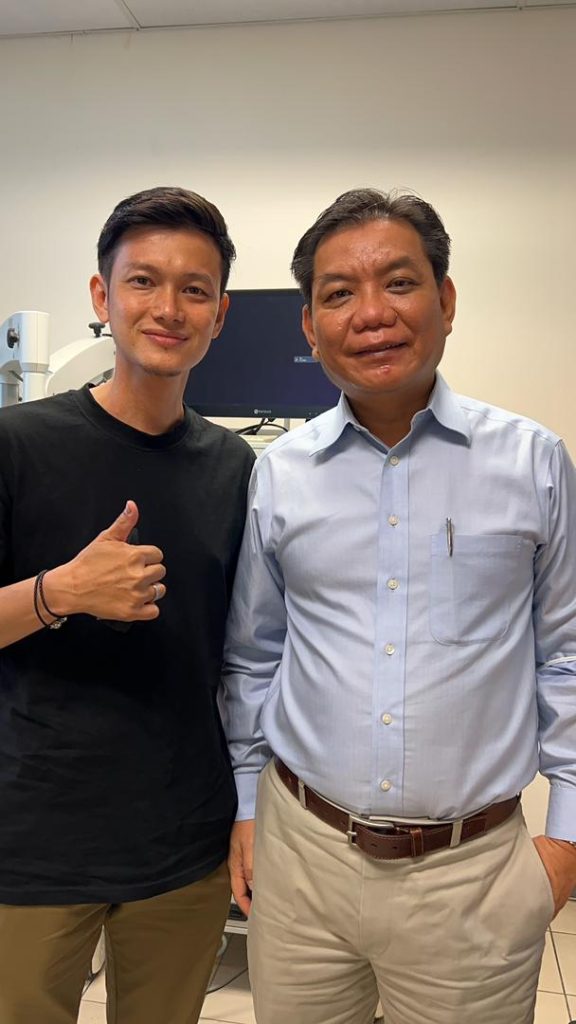
“She was the one who kept pushing me and supporting me all the way,” he said.
Her support did not end with treatment. It carried him through the long emotional stretch that followed — through the follow-ups, the waiting and the uncertainty — until he was finally told he was clear and, later, free from cancer.
Cancer took things from him, though not all of them were losses he mourned.
“I lost the part of me that was less confident. And that’s actually something good to lose,” he said, laughing.
What remains instead is clarity — and the awareness that some people may never see him as fully healthy again, even now.
If Mahathir could speak to the man he was before his diagnosis, he would not warn him or soften the truth.
He would tell him to take things step by step.
“Everything is already written. You have two choices. You go through it happy, or not happy. Why choose the second one?” he said.
What lies ahead, he would say, is not just survival, but something quieter and more meaningful — seeing the happy faces of his mother, wife, children and loved ones, cheering and celebrating together when he finally beats cancer.
Mahathir does not describe his journey as a battle, nor himself as a hero.
He lives with what cancer has left behind: a body that requires listening, routines shaped by care, and a future guided less by certainty than by gratitude.
Being declared “clear” was not an ending. It was an opening — into a life lived more gently, more consciously, and with a deeper understanding of what it means simply to be here.