A terrifying disease, cancer often leaves wounds beyond the physical. It discourages and demotivates those diagnosed with it. This year, the Union for International Cancer Control (UICC) has introduced a new theme for the next three years, in conjunction with World Cancer Day—‘United by Unique’, championing empathy and empowerment for cancer patients.
Let’s go beyond awareness
ACCORDING to the National Cancer Institute, cancer is defined as a disease in which some of the body’s cells grow uncontrollably and spread to other parts of the body. It can begin almost anywhere in the human body, which is made up of trillions of cells.
“Sometimes, this orderly process breaks down, and abnormal or damaged cells grow and multiply when they shouldn’t.
These cells may form tumours, which are lumps of tissue. Tumours can be cancerous or benign (non-cancerous).”
Cancerous tumours can spread into or invade nearby tissues and may travel to distant parts of the body to form new tumours in a process called metastasis.
In Malaysia, a total of 48,639 new cancer cases were reported in 2020. By 2040, the incidence of cancer is expected to double. The statistics also indicate that approximately one in every 10 Malaysians will be diagnosed with cancer in their lifetime.
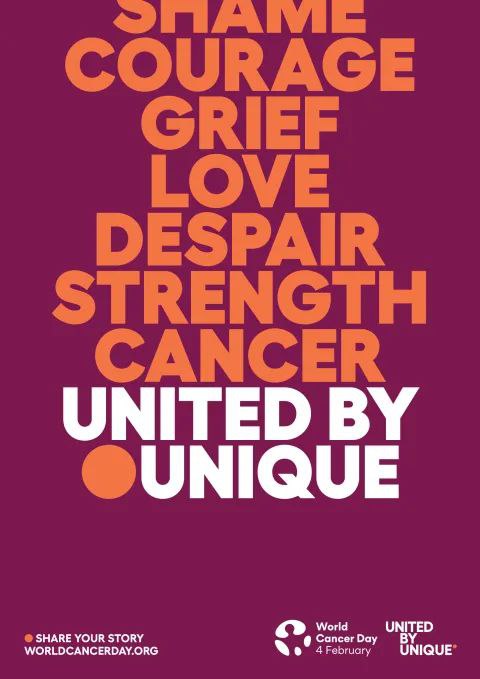
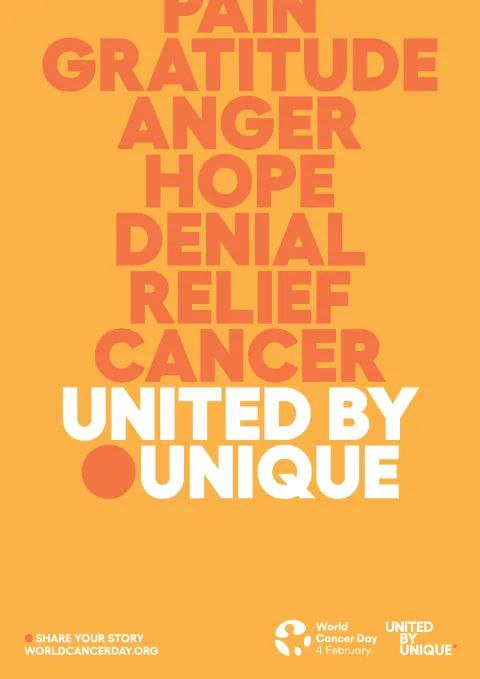
Although cancer can develop anywhere in the body, the five most common types of cancers in Malaysia are: breast cancer, colorectal cancer, lung cancer, lymphoma, and liver cancer.
A 2020 report by the National Cancer Institute Malaysia states that the lifetime risk for men is 1 in 10 (44.7 per cent of cases), while for women, it is 1 in 9 (55.3 per cent of cases).
Another report titled ‘Summary of the Malaysia National Cancer Registry Report 2017–2021’ highlights that women aged 25 to 64 have a higher rate of cancer diagnosis, whereas men have a higher incidence after the age of 65.
A rise in morbidity
Beyond statistics, cancer remains a chronic disease with high mortality rates. Around the globe, it is the second leading cause of death, with 9.7 million cases recorded in 2022.
In Malaysia, a January 2024 statement by the Ministry of Health revealed that cancer has become the third most common cause of death in the country, with 15,200 cases in 2022.
The ‘Summary of the Malaysia National Cancer Registry Report 2017–2021’ indicates that 65.1 per cent of cancer cases were detected at stages three and four, an increase from 63.7 per cent in 2012–2016.
According to the ‘Malaysia Study on Cancer Survival’ (October 2018), late detection is a major factor in low survival rates.
This underscores the need to foster multi-stakeholder collaborative efforts to improve community awareness and access to early diagnosis and treatment.
The World Health Organisation (WHO) further emphasises that cancer is not only a severe health issue but also a major challenge for families and society. The economic impact is significant, affecting healthcare costs and productivity, as premature deaths would reduce workforce contributions, which will dramatically hinder sustainable development.
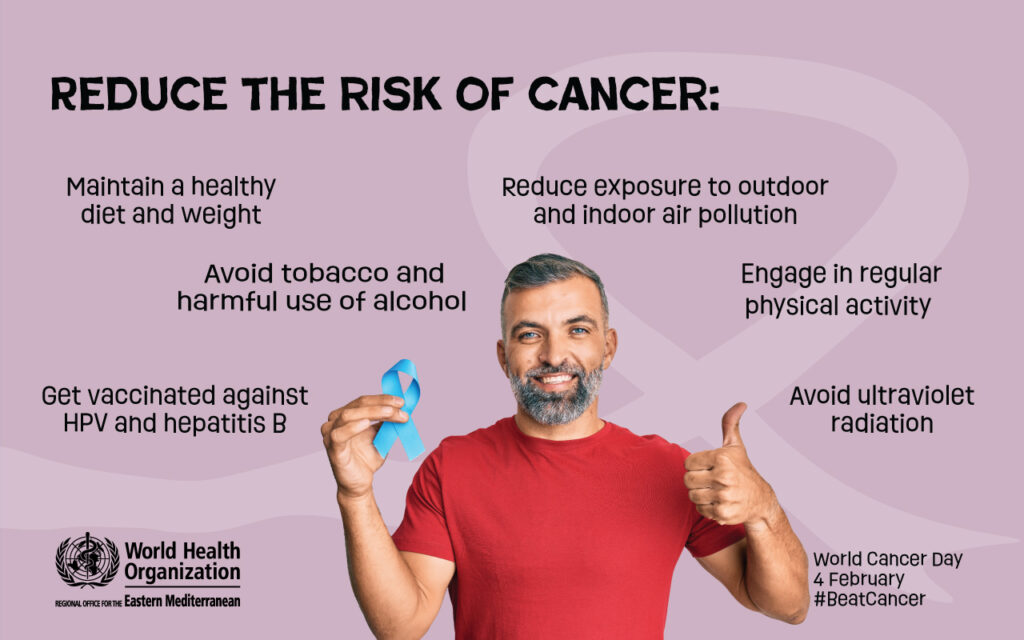
“When detected and treated early, cancer can often be cured completely. Although most cancers do not present symptoms in their early stages, some diagnostic tests (screening techniques) can detect the disease even when it is invisible. Early detection reduces the burden of late-stage cancer and improves treatment outcomes.”
World Cancer Day: ‘United by Unique’
Each year, World Cancer Day is observed to raise awareness, encourages prevention and mobilises action against the global cancer epidemic. Established in 2000 by the Union for International Cancer Control (UICC), this year’s theme, ‘United by Unique’, highlights that cancer is more than just a medical diagnosis.
“ It’s a deeply personal matter. Behind every diagnosis lies a unique human story — stories of grief, pain, healing, resilience and love. That’s why a people-centred approach to cancer care that fully integrates each individual’s unique needs, with compassion and empathy, leads to the best health outcomes.”
“Every cancer experience is unique, and it will take all of us, united, to create a world where we see the person before the patient. A world where the needs of people and communities are at the centre of health systems,” the UICC said in a statement.
Cancer patients often suffer in silence, and the pain is felt much more mentally, rather than physically as they navigate through emotional highs and lows of the diagnosis, treatment and recovery.
By embracing people-centred cancer care, the UICC believes that it represents an opportunity to refocus, rewire, and rewrite how we think about cancer, to embrace every individual’s differences, and make sure that they are seen, valued and has access to the care they need.
“It turns out that when a compassionate, humanising and empowering approach is thoroughly incorporated into a health system – one that not only understands but values a person’s inherent uniqueness – it creates a different kind of relationship between patient and provider. It brings everyone closer together.”
This World Cancer Day, let’s go beyond awareness. Listen to the voices of those who are hurting.