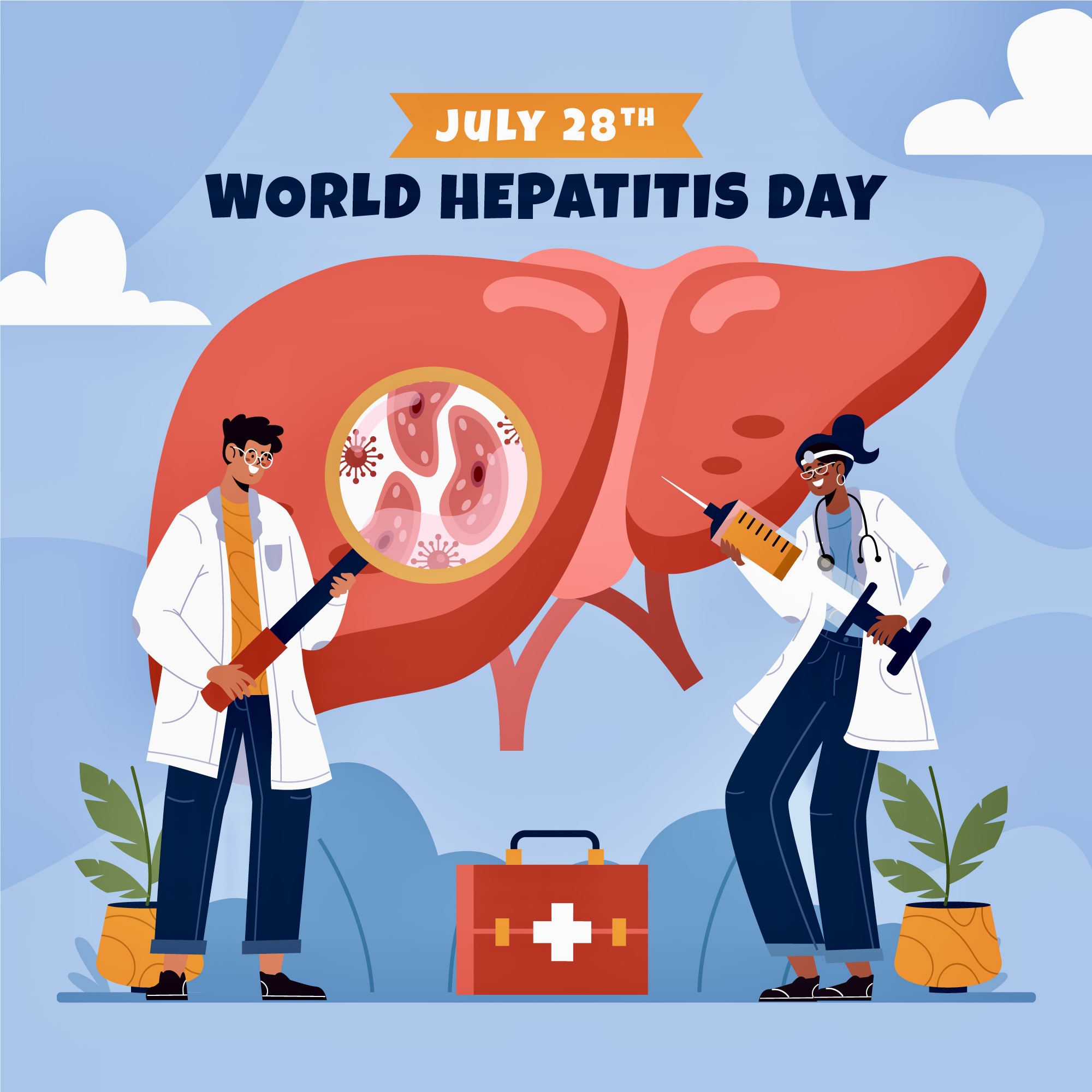
It kills every 30 seconds, yet most don’t even know they have it. This World Hepatitis Day, we unpack the facts, debunk the myths, and explore how testing, treatment and awareness can end the silent epidemic for good.
A Crisis Hiding in Plain Sight
Every 30 seconds, someone dies from a hepatitis-related illness — be it liver failure, cirrhosis, or liver cancer. Yet what makes this tragedy more heartbreaking is that most of these deaths are preventable.
This year’s World Hepatitis Day theme, “Hepatitis: Let’s Break It Down,” calls on us to dismantle the barriers that keep people from knowing, preventing, and treating the disease.
But before we talk about solutions, we first need to understand what we’re up against.
What exactly is hepatitis?
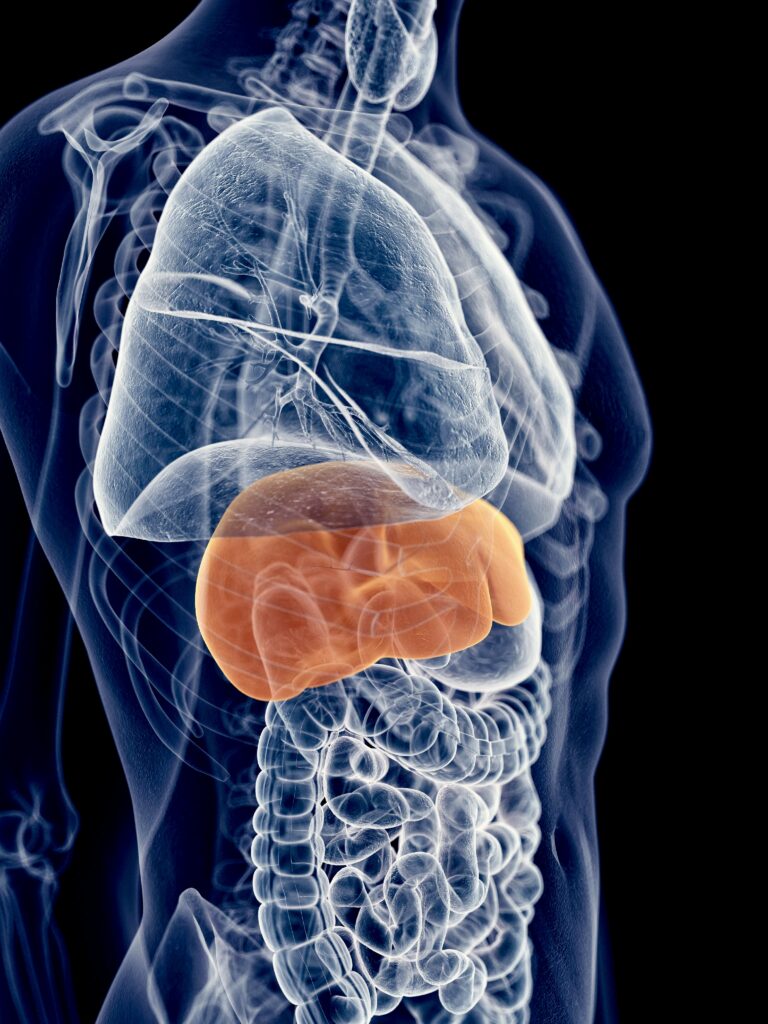
Hepatitis simply means inflammation of the liver. Your liver is one of the body’s hardest-working organs — it filters toxins, processes nutrients, and stores energy. When it’s inflamed or damaged, it can’t do these jobs properly, leading to serious health problems.
There are many causes of hepatitis, such as alcohol misuse, certain medications, and autoimmune diseases.
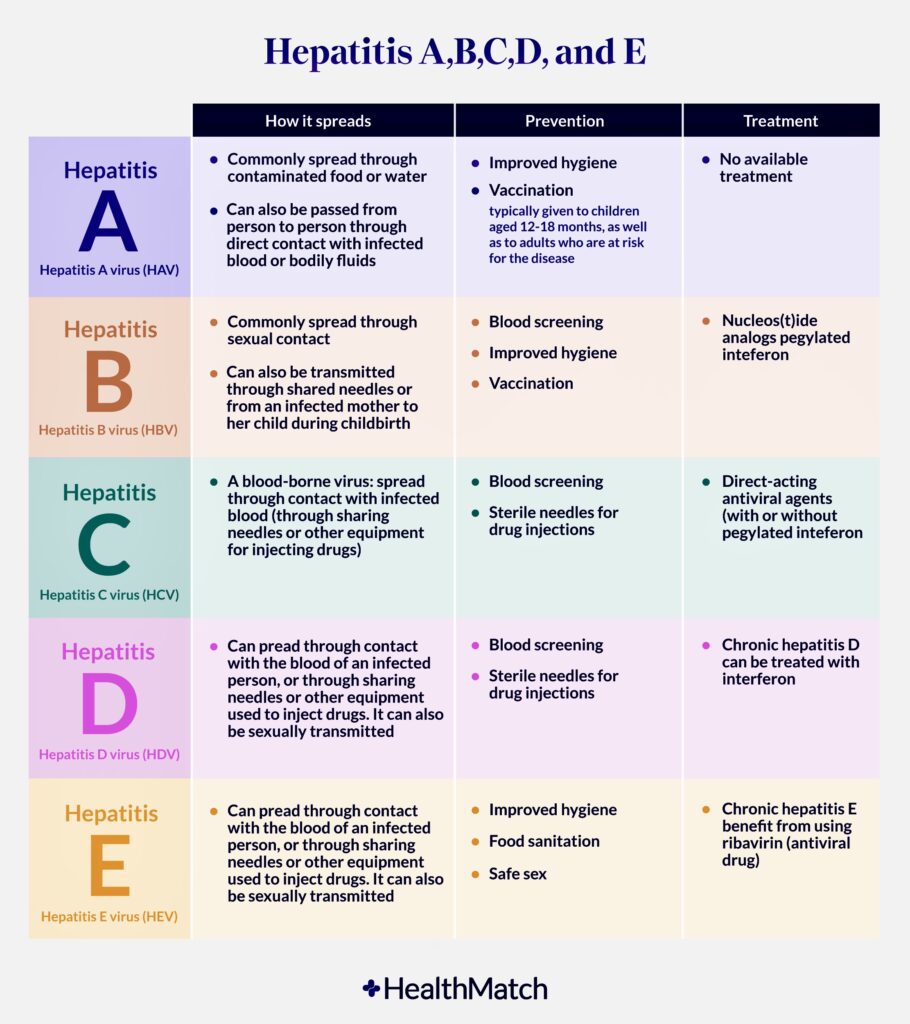
But globally, the biggest culprits are five viruses — A, B, C, D, and E (World Health Organization (WHO), 2024).
- Hepatitis A and E are usually spread through contaminated food or water. They typically cause short-term illness and don’t lead to chronic liver disease.
- Hepatitis B and C are more dangerous. They can cause long-term infections that silently scar the liver for years, eventually leading to cirrhosis or liver cancer.
- Hepatitis D only affects people who already have hepatitis B, making their illness even more severe.
The silent danger is that most people don’t know they’re infected — especially with hepatitis B and C, which can remain symptomless for decades (WHO Fact Sheet on Hepatitis, 2024).
What are the symptoms?
Hepatitis can appear suddenly and improve quickly (acute), or it can linger and become a long-term (chronic) condition. In severe cases, it can lead to liver damage, liver failure, cirrhosis, liver cancer — or even death.
The severity often depends on what caused the liver damage and whether you already have other illnesses. For example, hepatitis A is usually short-term and does not lead to chronic liver problems.
According to Penn Medicine, the common symptoms include:
- Pain or bloating in the belly area
- Dark urine and pale or clay-coloured stools
- Fatigue
- Low-grade fever
- Itching
- Jaundice (yellowing of the skin or eyes)
- Loss of appetite
- Nausea and vomiting
- Unexplained weight loss
However, many people — especially those with hepatitis B or C — may have no symptoms at all when first infected.
That’s why regular testing is important if you have any risk factors. You could still develop liver failure years later without knowing you were infected.
How big is the problem?
Worldwide, over 350 million people live with chronic hepatitis B or C (WHO Global Progress Report, 2023).
Each year, 1.3 million die from complications that could have been prevented with vaccination, testing, or treatment (World Hepatitis Alliance, 2024).
Despite these numbers, hepatitis often doesn’t get the same attention as other major diseases. Many think it’s rare or only affects certain groups of people. This fuels a dangerous cycle of silence, stigma, and inaction.
“Hepatitis is called the silent epidemic because it can quietly destroy the liver for decades without symptoms.”
— World Health Organization
What are the barriers?
If hepatitis is preventable and treatable, why does it still claim so many lives?
Lack of awareness — Many don’t know the difference between hepatitis types, how it spreads, or that you need testing even if you feel healthy.
Stigma and fear — Misconceptions — like hepatitis only affects drug users or people with “risky” lifestyles — create fear and shame, stopping people from getting tested (World Hepatitis Alliance, 2024).
Cost and limited access — In some countries, vaccines, tests, and treatments are still too expensive or unavailable, especially in rural or low-income areas.
Fragmented health services — Hepatitis services are often separate from other healthcare. Without integration into maternal care, HIV programmes, or primary health systems, many people miss out (WHO, 2024).
Late diagnosis — Since hepatitis B and C often cause no symptoms, many are only diagnosed when liver damage is already severe.

How do we break it down?
The good news is that hepatitis can be prevented, treated, and — even for hepatitis C — cured.
Vaccination saves lives
- Hepatitis B vaccination is 95 per cent effective. Giving the birth dose within 24 hours protects newborns from infection passed from mother to child (WHO Immunisation Guidelines, 2023).
- Hepatitis A vaccines are also widely available.
Testing and early detection
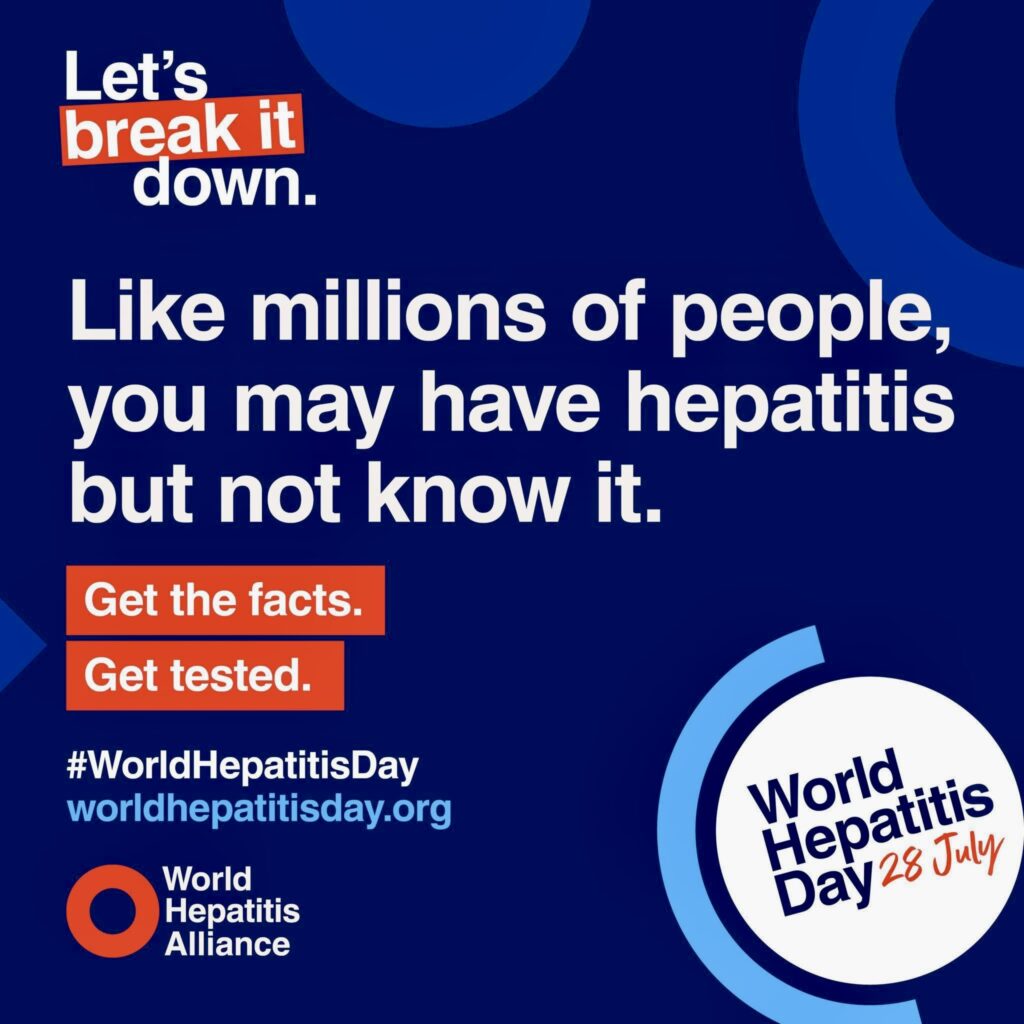
- Simple blood tests can detect hepatitis B and C before symptoms appear.
- Making testing part of routine health checks removes the stigma and catches infections early.
Access to treatment
- Hepatitis B can be controlled with lifelong antiviral medicines, preventing liver damage.
- Hepatitis C can now be cured in just 8 to 12 weeks with new antiviral medicines (WHO Hepatitis C Treatment Fact Sheet, 2024).
Safe practices
- Use sterile medical equipment, ensure safe blood transfusions, and provide harm-reduction services for people who inject drugs.
- Avoid sharing razors, toothbrushes, or needles.
Fight stigma
- Education and open conversations help dismantle myths. Testing should be seen as responsible, not shameful.
A future without hepatitis
The WHO has set a bold goal: eliminate viral hepatitis as a public health threat by 2030 — reducing new infections by 90 per cent and hepatitis-related deaths by 65 per cent (WHO Global Health Sector Strategy, 2023).
It’s ambitious, but achievable. Governments must integrate hepatitis care into national health systems. Communities must spread awareness and fight stigma. And individuals can take simple steps: get informed, get tested, and get vaccinated.
Hepatitis doesn’t discriminate — it affects newborns, young adults, and older people alike. But it is one of the few major diseases we have the tools to eliminate within our lifetime.
This World Hepatitis Day, let’s break down the fear. Break down the stigma. Break down the barriers. Because a world free from hepatitis — and liver cancer — is within our reach.
Quick facts about hepatitis
- 350 million people worldwide live with chronic hepatitis B or C (WHO, 2023).
- 30 seconds: someone dies from a hepatitis-related illness every half-minute (World Hepatitis Alliance, 2024).
- 95 per cent of hepatitis B infections can be prevented with vaccination (WHO Immunisation Guidelines, 2023).
- Hepatitis C is curable in 8 to 12 weeks with modern treatment (WHO, 2024).
- The world aims to eliminate hepatitis by 2030 (WHO Global Strategy, 2023).