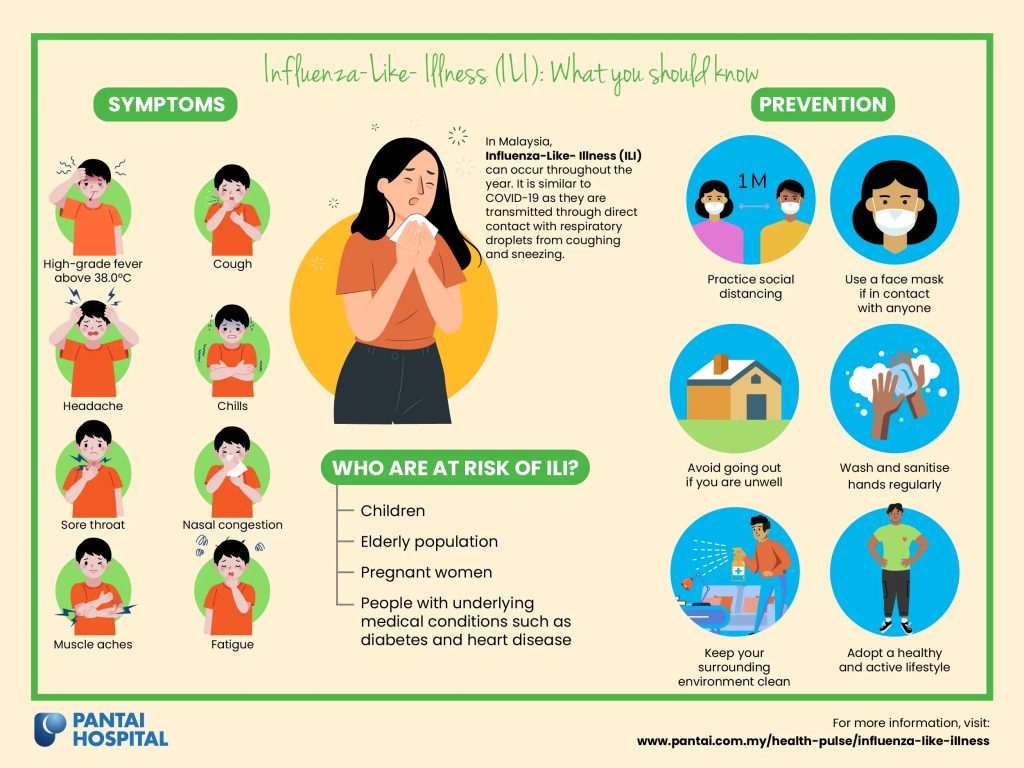
With Influenza A on the rise in Malaysian schools and more children falling ill, health experts warn that vaccine hesitancy puts children and communities at risk. This World Immunisation Day, doctors stress that vaccines remain one of our safest shields – built on care, not fear – and urge parents to prioritise protection to keep classrooms, families, and communities safe.
Rising Influenza A cases sound alarm on vaccine hesitancy
IT was just another quiet afternoon at a corner eatery when I overheard a man in his late 30s telling his friends that he wouldn’t be taking his children for their influenza jabs.
Between bites of his lunch, he spoke with conviction, repeating what he had been told by a friend: that vaccines could “disrupt the body’s natural system”.
It’s a line many of us have heard before, especially since the pandemic: the jab can cause side effects, children don’t need it, it’s all just business.
Yet as Influenza A sweeps through Malaysian schools, infecting dozens of children at a time, such beliefs are no longer harmless.
Each skipped vaccine represents not just an individual risk, but a gap in the community’s protection – a gap viruses are all too ready to exploit.
The surge in schools
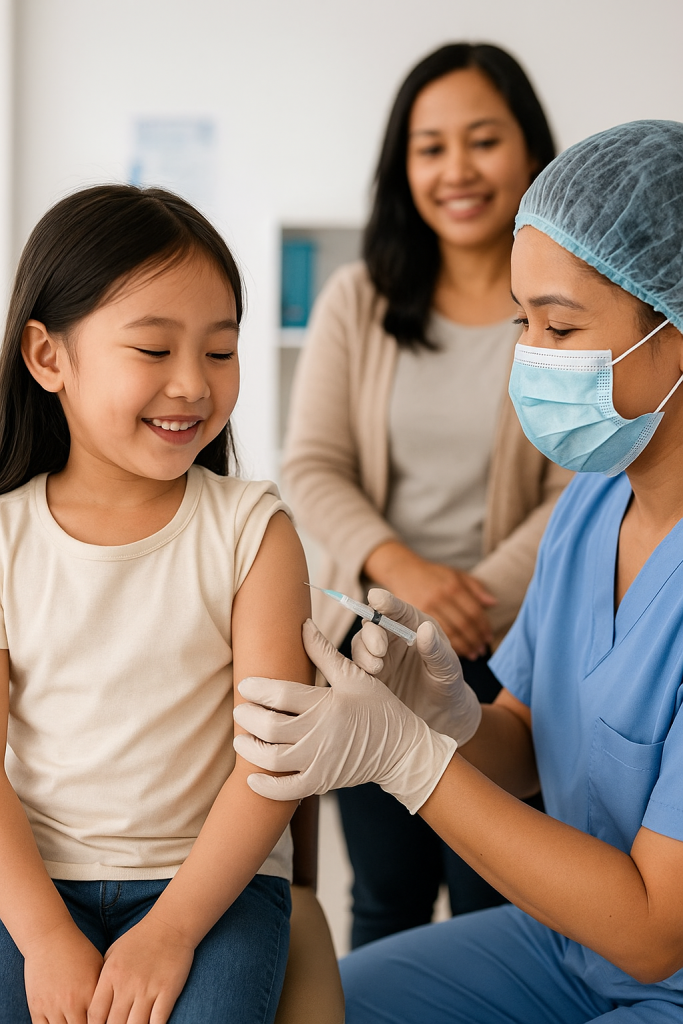
Across Malaysia, schools and kindergartens have seen a sharp rise in Influenza A cases in recent weeks.
According to the Ministry of Health (MOH), 97 influenza clusters were detected nationwide as of Epidemiological Week 40/2025, with the majority occurring in educational institutions.
In October alone, several schools were temporarily closed after about 6,000 students nationwide fell ill, many reporting fever, cough, and fatigue.
MOH surveillance data shows that over 80 per cent of recent Influenza A cases were detected in schools and kindergartens, highlighting how quickly the virus spreads in crowded settings.
A New Straits Times report notes that from Week 1 to Week 41 this year, 65.8 per cent of influenza clusters occurred in schools, with kindergartens and other educational settings also affected.
Teachers describe entire classrooms falling ill within days, leaving parents juggling care and work. While most children recover with rest and fluids, doctors caution that Influenza A can cause serious complications, particularly in children with asthma, chronic illnesses, or weaker immune systems.
Experts say the outbreak is a clear reminder that infectious diseases can resurface quickly when community immunity declines — and that even a single missed vaccine can ripple across a classroom, a school, and a community.
Vaccine hesitancy: A hidden barrier
Malaysia’s childhood immunisation programme has long been a global success story, with coverage for core vaccines above 95 per cent. But hesitancy has grown – especially toward optional vaccines like influenza or COVID-19 boosters.
A 2025 study found that a significant portion of Malaysian parents were hesitant toward the influenza vaccine, citing concerns over side effects and a belief that it was unnecessary.
This hesitancy is not limited to rural areas; surveys show that parents across urban and suburban Malaysia can be influenced by rumours circulating online or through word of mouth.
Health experts warn that skipping vaccines doesn’t just leave a child vulnerable – it creates gaps in community immunity, allowing viruses to spread more easily.
As one family medicine specialist recently put it, “When herd immunity drops, outbreaks rise. Vaccination isn’t just about protecting one child – it’s about keeping the whole community safe.”
For many parents, vaccine hesitancy isn’t born from defiance but confusion – a mix of fear, distrust, and fatigue after years of pandemic messaging. Yet even small decisions to delay or skip optional vaccines can have wide-reaching consequences.
Why prevention still matters
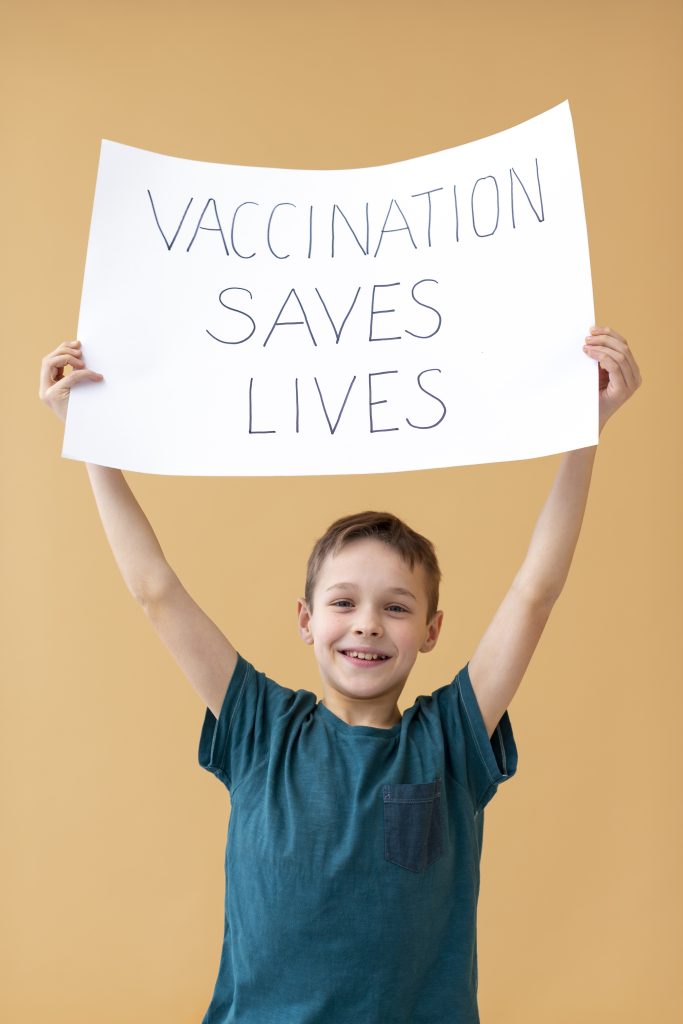
Vaccines work quietly in the background, reducing disease transmission and protecting even those who cannot be vaccinated for medical reasons.
Influenza shots, for example, may not prevent every infection, but they significantly lower the risk of severe illness and hospitalisation.
Studies in Malaysia found that influenza contributed to about 23 per cent of severe acute respiratory infection (SARI) cases and 13 per cent of pneumonia hospitalisations.
Yet vaccination coverage remains low. Among older adults, only around 3 per cent receive annual influenza vaccines – a sign that optional immunisation still isn’t widely prioritised.
The impact is felt every flu season. Hospitals see surges in respiratory patients, while parents juggle work absences and childcare as children recover at home. For doctors, these cycles are exhausting – and preventable.
Lessons from the pandemic
The COVID-19 crisis revealed how fragile public health can be when misinformation spreads faster than the virus itself. It also proved that vaccines – when trusted and taken widely – can save millions of lives.
Today’s Influenza A surge is a reminder that immunity fades, and viruses evolve. Complacency can reopen doors we thought were closed.
Health authorities continue to stress that vaccination remains one of the safest and most cost-effective interventions in modern medicine.
The World Health Organization (WHO) stated that immunisation prevents 4 to 5 million deaths every year worldwide — from diseases including influenza, measles, diphtheria, and tetanus.
This World Immunisation Day, Malaysian health authorities are reminding families that vaccines aren’t just about personal protection — they are a shared responsibility that helps safeguard entire communities.
“Vaccination is not just about individual choice — it’s about social responsibility,” said the Malaysian Paediatric Association in a 2024 statement supporting influenza and HPV vaccination programmes.
From measles to influenza, vaccines have saved countless lives and allowed generations of Malaysian children to grow up stronger and healthier.
But even a slight drop in vaccination rates can reverse decades of progress, as seen in recent measles outbreaks in parts of Southeast Asia.
Small steps, lasting protection
Putting these lessons into practice can be surprisingly simple. Protecting children and the wider community doesn’t have to be complicated. Parents can take a few crucial steps:
- Check vaccination records: Review your child’s vaccination card to ensure all doses – including optional ones like influenza – are up to date.
- Consult healthcare providers: Speak with your family doctor about influenza jabs, especially for young children, the elderly, and those with chronic illnesses.
- Stay informed: Follow guidance from trusted sources such as the MOH, WHO, or local health clinic.
Even a single vaccine can make a world of difference – protecting a child from illness while reinforcing the community’s invisible shield. Vaccines are acts of care, not fear: they help keep schools open, families healthy, and vulnerable loved ones safe.
As doctors often remind us, prevention is far easier than treatment. In a world where viruses constantly evolve, vaccines quietly guard childhoods, classrooms, and communities alike.
A shared responsibility
The wave of Influenza A will eventually pass, but its lesson should stay: health is a collective effort.
Every parent who keeps their child’s immunisation up to date strengthens the invisible shield that protects everyone — from the youngest infants to the oldest grandparents.
By choosing protection over fear, and facts over rumours, we can ensure that preventable diseases stay where they belong — in the past.
Outbreaks like Influenza A remind us that prevention is far easier than treatment. Sometimes, a single vaccine can be the difference between weeks of illness and a whole season of well-being.
Remember, a single jab doesn’t just protect a child – it safeguards a classroom, a family, and the community they all share.