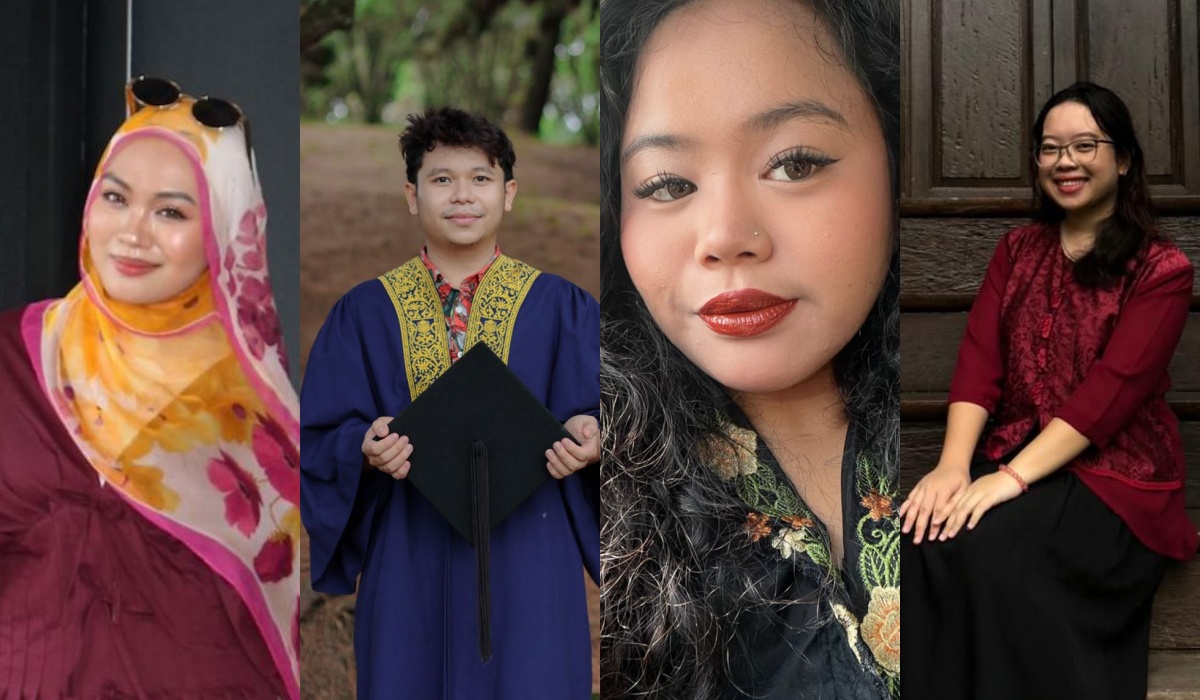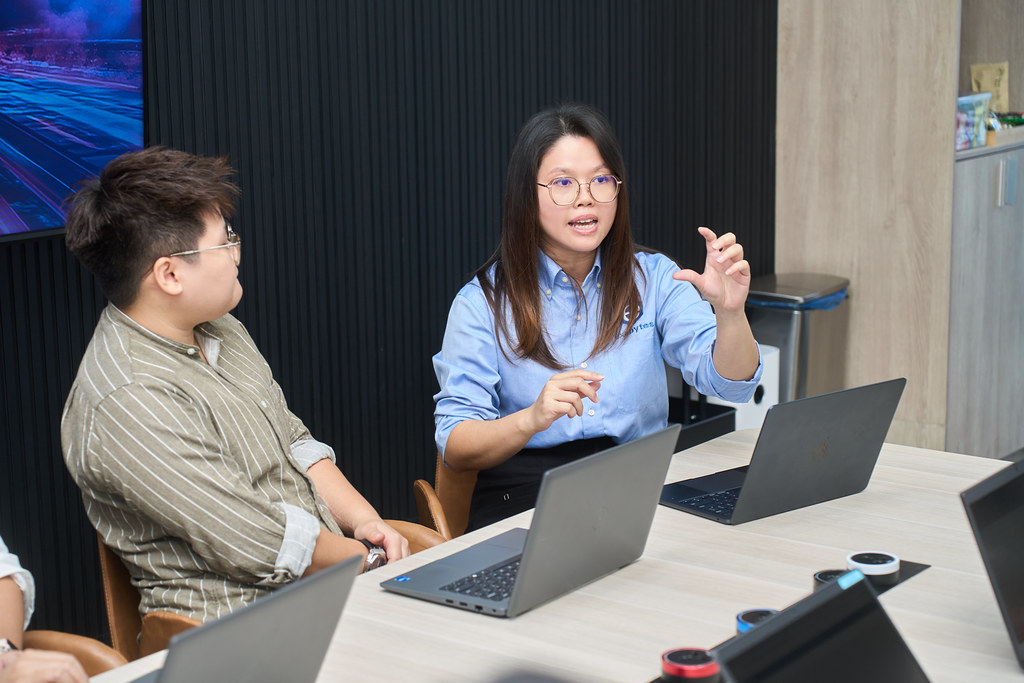
As a counsellor, Dorety Panggil has witnessed the weight of human struggle – and the quiet power of hope that follows. Today, she reminds us that healing begins when we reach out, listen with compassion, and believe that light still exists beyond the pain.
Listening beyond the silence
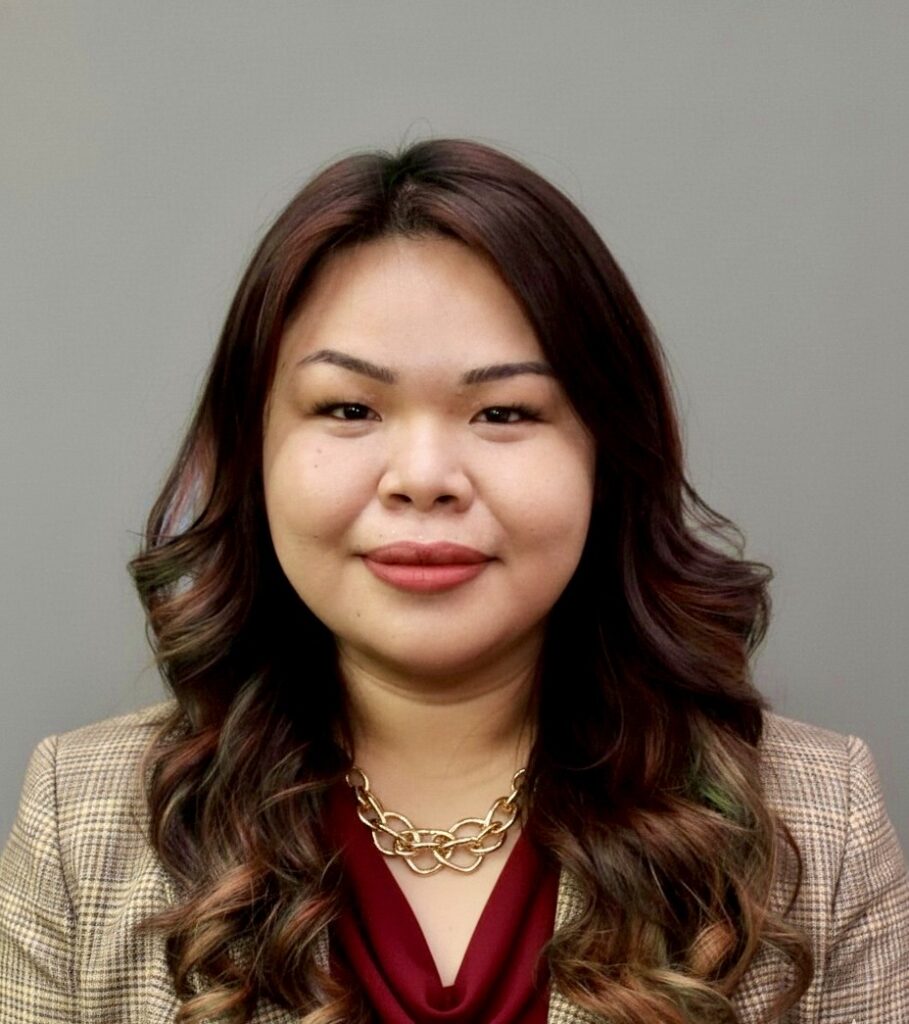
WHEN Dorety Panggil first picked up the phone during Malaysia’s movement control order (MCO), she was not expecting to hear someone crying on the other end – standing by the roadside, ready to give up on life. The world was quiet in lockdown, yet the silence was filled with invisible pain.
“Honestly, I wasn’t ready for it. You could feel their pain even through the phone, and all you wanted was to reach out and help,” she recalled.
Those desperate calls became turning points. What began as an ordinary job turned into a calling that shaped her purpose – one that has guided her through seven years as a counsellor at Riam Institute of Technology, Miri.
“It was one of the most emotionally heavy times in my career.
“But I was very blessed to be supported by my former supervisor, Dr Adeline Wong, and my partner, Jessica Akang. Their guidance and encouragement gave me the strength to stay calm and be fully present for those who needed help,” she told Sarawak Tribune.
That period changed her profoundly. It taught her that even in the darkest moments, hope still exists – sometimes in the form of a voice that listens, or a person who simply cares. And that, she believes, is why she continues doing what she does.
Finding meaning in healing
Dorety’s inspiration remains simple yet profound – to witness someone rediscover the meaning of life.
“So many people are silently struggling, trying to find peace, purpose, and belonging in this fast-moving world. For me, being part of their healing journey – to walk beside them and see that light return in their eyes – is priceless. That’s what keeps my heart in this field,” she said.
While the MCO was a period of fear and uncertainty, it also opened the nation’s eyes to the importance of mental health.
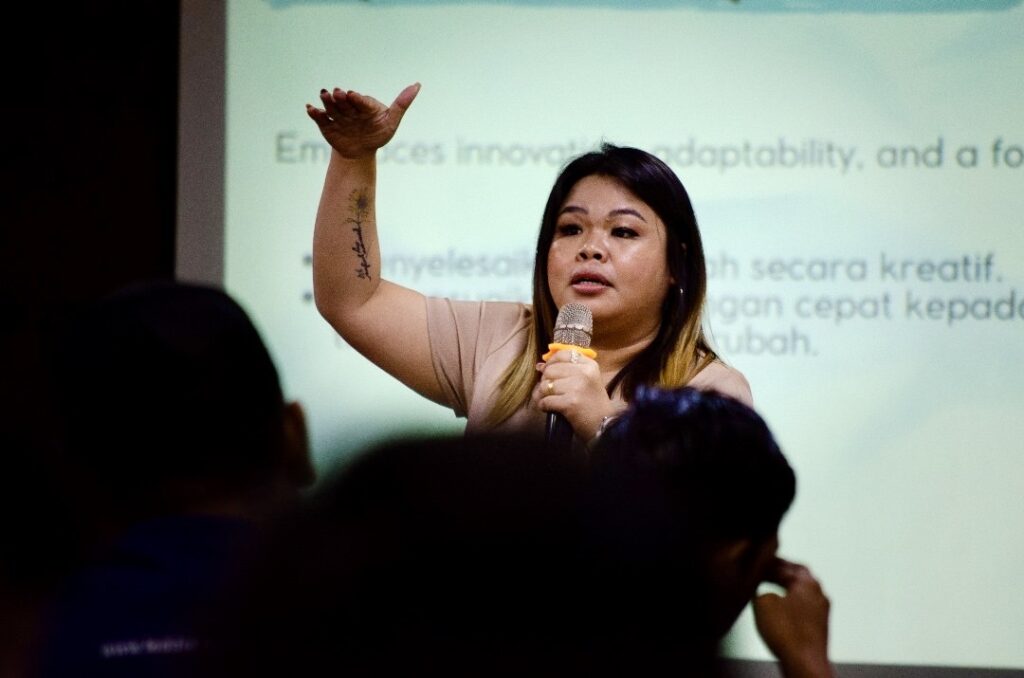
“Before COVID-19, many would link mental health issues to black magic or consider them taboo. But during the pandemic, people began to realise that it’s okay to seek help,” said the 34-year-old counsellor.
What was once whispered in shame became a topic of open conversation – a silver lining she still treasures today.
“The pandemic ‘forced’ people to learn about mental health. It made them see that healing starts when we talk about it,” she added.
A generation searching for balance
Working daily with young people, Dorety sees how easily the lines between reality and illusion blur in the age of social media.
“The most common struggle I see among youth is their difficulty distinguishing between reality and illusion in the age of social media. Many base their expectations of success and happiness on what they see online, while some parents, overwhelmed by work, have lost the personal connection that once helped shape their children’s values,” she observed.
For those whose pain runs deeper – including those with suicidal thoughts – Dorety’s approach begins with something deceptively simple: listening.
“It always starts with listening – really listening without judgment. Once someone feels safe, that’s when healing begins,” she explained.
Her sessions are calm and person-centred. She makes time for regular wellbeing checks, helps clients identify their support systems – whether a friend, family member, or even a pet – and ensures they have emergency contacts they can reach at any time they feel unsafe.
After that, she helps them build a safety plan together. But more than that, it is about being there with empathy and patience – that, she believes, is how trust is built.
Reframing the meaning of counselling
Despite growing awareness, Dorety believes many still misunderstand what counselling truly is.
“Many people still think counselling is only for those who are ‘problematic’ or ‘crazy’, but that’s a big no!”
She smiled knowingly, believing that a counsellor’s role is not to fix people but to guide them towards finding their own strength and peace.
To her, healing takes time, effort, and teamwork – it is not magic, but a process of open communication that helps people grow stronger and handle life better.
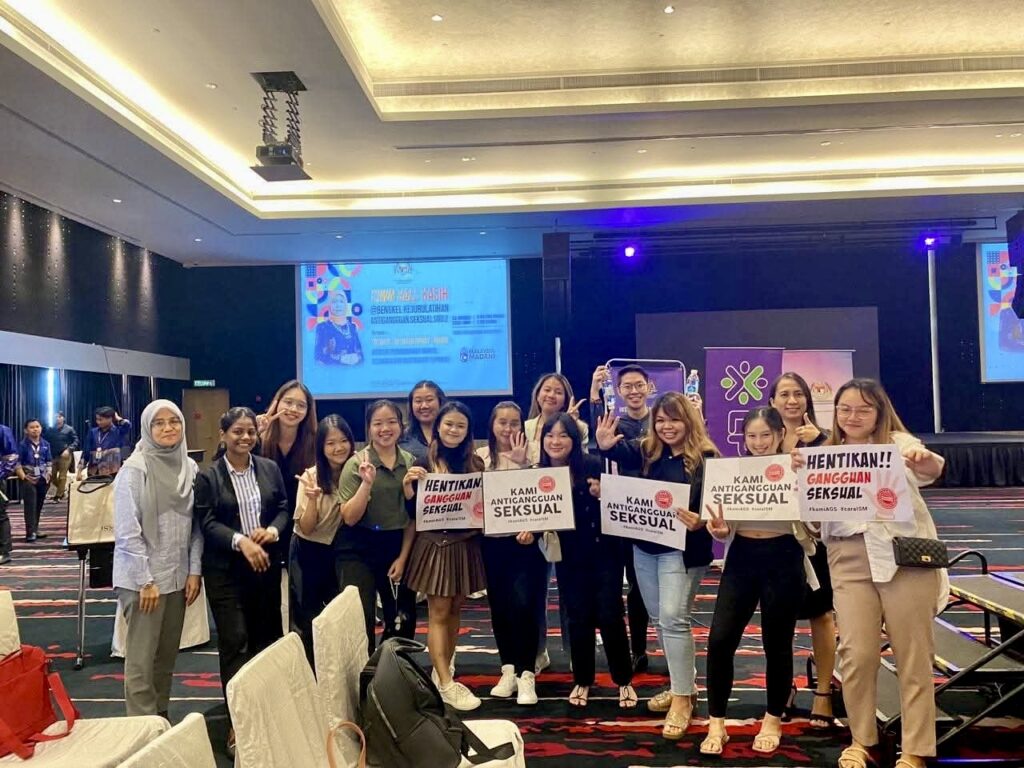
Listening to other people’s pain day after day can be exhausting, and Dorety is open about needing her own quiet moments to recharge.
As a counsellor, she admitted that there were times when overlapping cases left her feeling emotionally drained.
In those moments, she seeks calm and renewal in the simplest of ways – walking barefoot on the sand, watching the sunrise, or chatting with a close friend after work.
“These little moments don’t cost much, but they mean a lot. Nature and good company are my best therapy,” she said.
“Whenever I encounter cases beyond my control, I refer them to another counsellor. Taking care of myself allows me to take better care of others.”
A heart for second chances
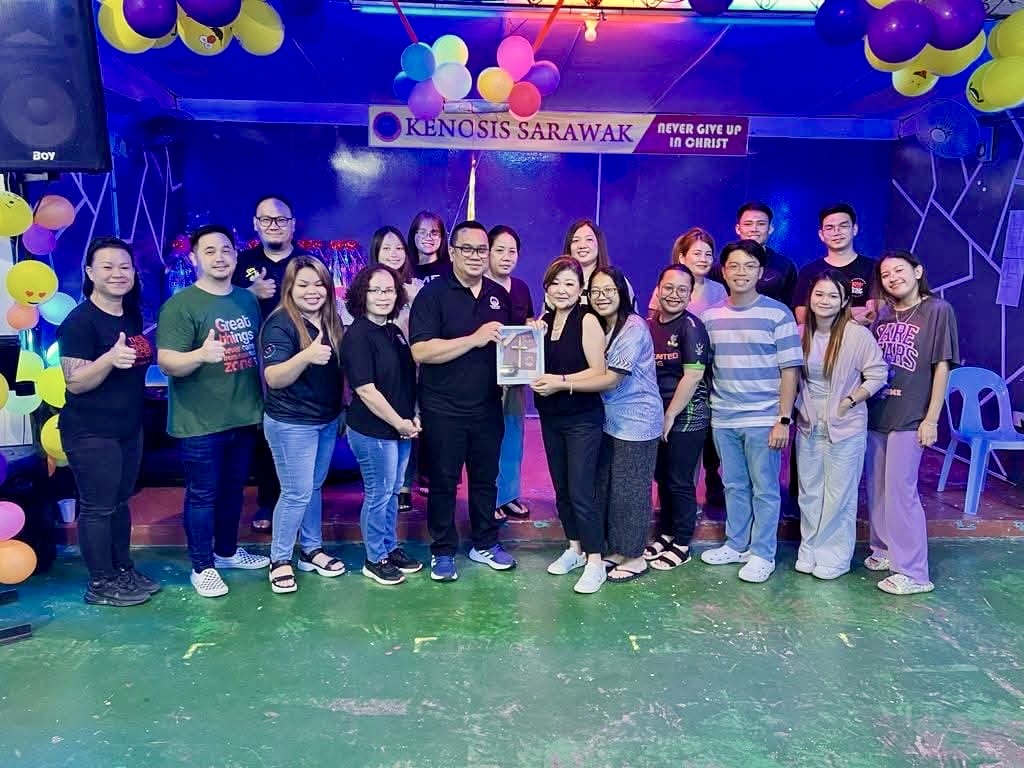
Outside her professional work, Dorety volunteers at the Kenosis Rehabilitation Centre, Miri – a faith-based community that helps people battling addiction rebuild their lives.
She first joined in 2021 after reading a post by Pastor Billy Quick calling for volunteers.
Her goal was to raise awareness that everyone can play a role in supporting those struggling with addiction. But what she found there changed her deeply.
“The number of drug addiction cases in Sarawak, especially in rural areas, continues to increase. Many of the residents – or ‘students’, as we call them – are related to one another, showing just how far this problem has spread,” she said, her voice tinged with concern.
At Kenosis, she witnessed powerful transformations. Seeing the residents slowly rebuild their lives and believe in themselves again filled her heart with pride.

Before they leave, she always reminds them, “When you feel like breaking down, don’t wait – reach out. Remember, the first person who can truly help you is yourself.”
Her experience at the centre also deepened her understanding of recovery.
“Faith and mental health go hand in hand. When someone starts believing in themselves and accepts support, their mind becomes more stable, and they learn how to cope with life’s challenges.
“I’ve learnt to stop judging and start listening. Once people feel accepted, they begin to heal. With faith, support, and practice, I’ve seen many rediscover their purpose and strength. That’s the beauty of recovery,” she emphasised.
Holding on to hope
Among all her experiences, suicide prevention remains closest to her heart.
“I wish people understood that suicide isn’t about wanting to die; it’s about wanting the pain to stop,” she said gently.
Her message is simple yet profound: “If you’re struggling, take that one small, brave step to reach out. You don’t have to face it alone.
“And if you meet someone who seems to be struggling, be brave enough to listen. Sometimes, your kindness can be the reason they hold on a little longer.”
For Dorety, mental health is not a privilege – it is essential, “We all go through ups and downs, and it’s okay to ask for help.
“Mental health isn’t just for those facing serious struggles; it matters to all of us. Everyone deserves peace of mind, dignity, and a chance to heal,” she pointed out.
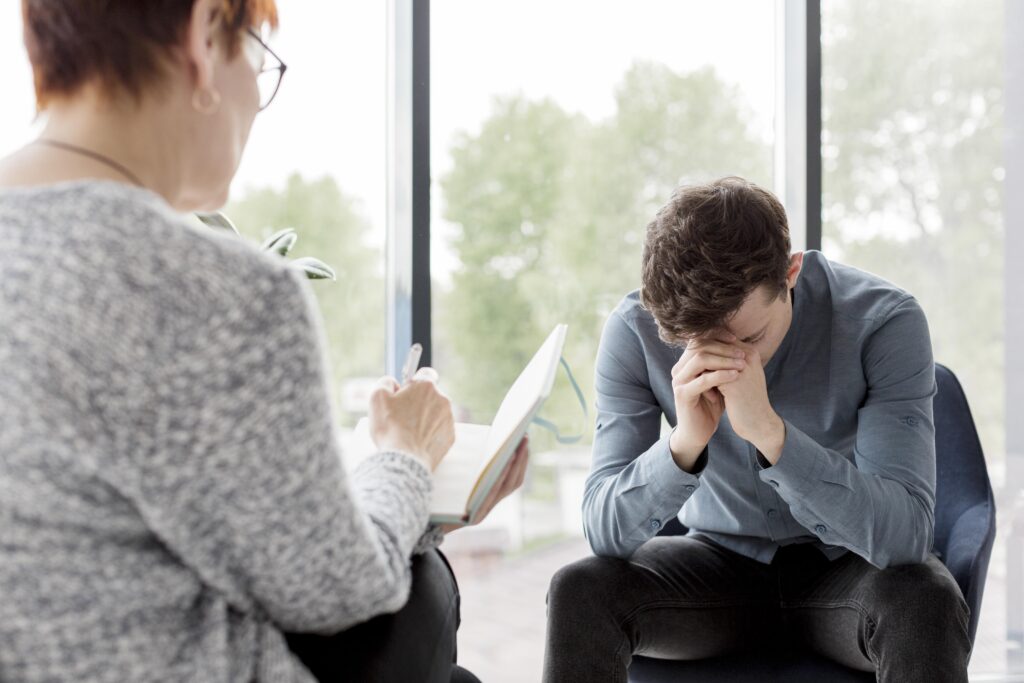
Before the conversation ended, Dorety shared one final message for anyone who might be feeling lost or hopeless.
“It’s okay to feel lost sometimes. But don’t carry it alone. You’re stronger than your pain. There’s always light waiting at the end – you just have to keep walking towards it,” she said softly.
And if the road feels too heavy to walk alone, take that first step and reach out. Help is just a call away – Talian Kasih at 15999, the MIASA Crisis Helpline at 1-800-180-066, or Befrienders Malaysia at 03-7627 2929.