Photography captures moments that words cannot always describe, preserving people, places, emotions and memories in a single frame. This World Photography Day, five photographers share the stories behind their lenses.
Five photographers, five perspectives: The moments that matter
THEY always say a picture speaks a thousand words. Behind every image, however, is a story waiting to be told. For some, photography is about capturing a fleeting moment. For others, it is a way of preserving memories, documenting history or giving people and places a voice.
As we celebrate World Photography Day today, we turn the lens on five local photographers and the meaningful moments they capture, one frame at a time.
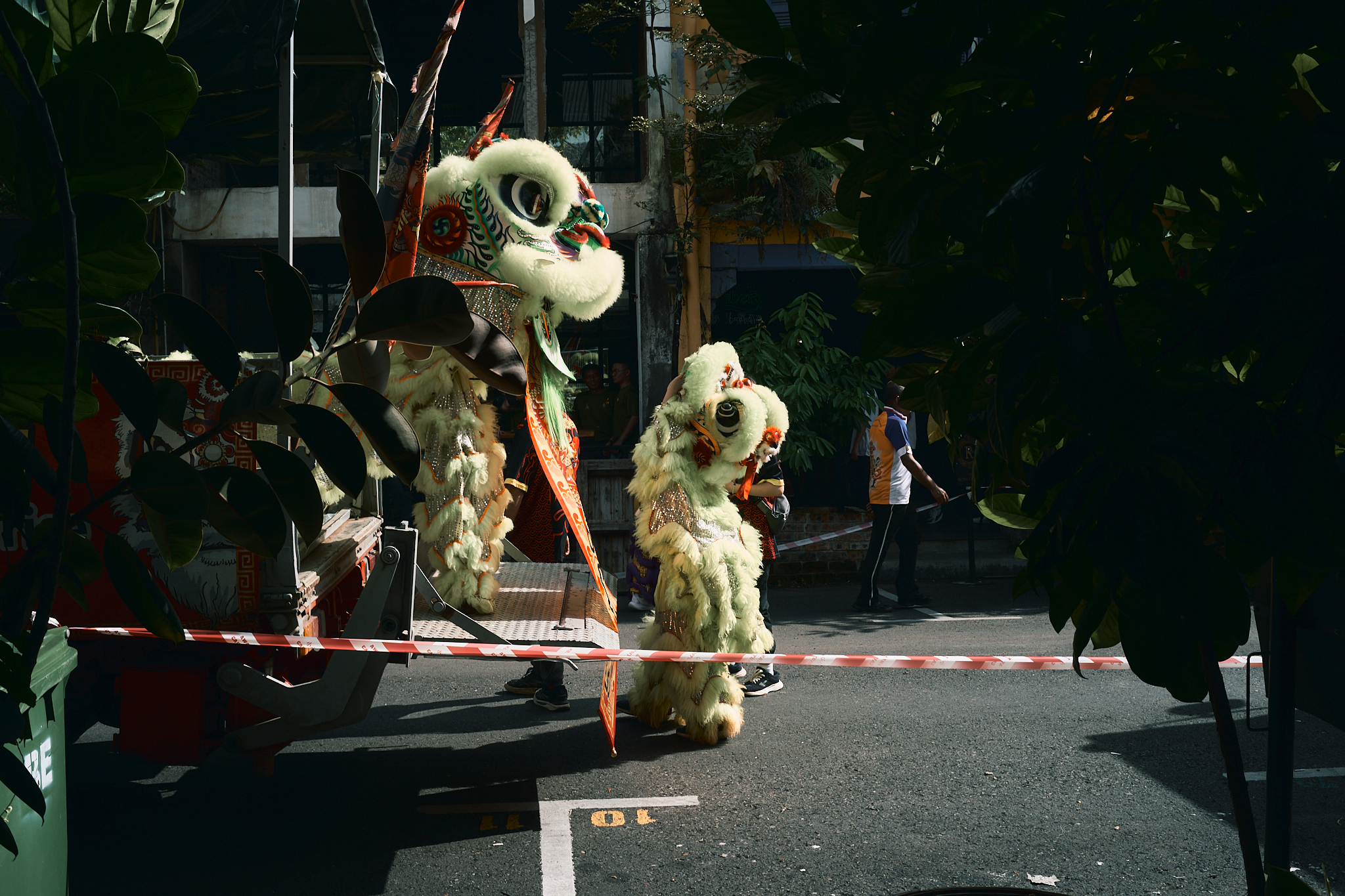
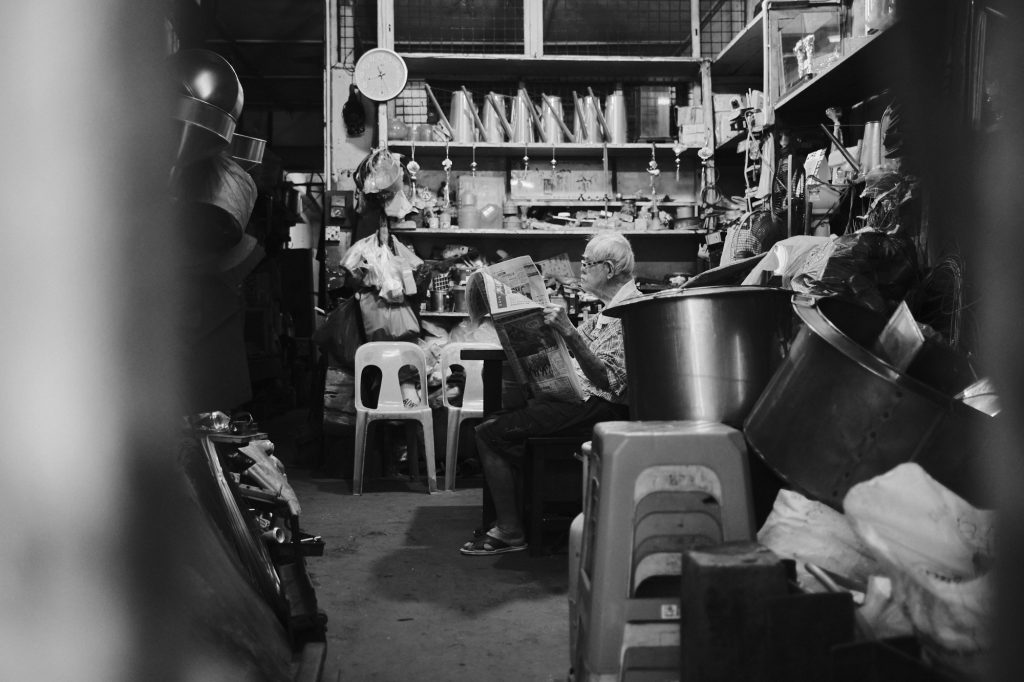
Jee, street photographer
“Photography, for me, is more than just taking pictures. I realised that not through a photograph I had taken, but through the old photographs I discovered as a child while going through my parents’ and grandparents’ belongings.
Those old monochrome photographs with decorative edges felt like little slices of time – what I like to call “mini time machines” that showed me what life was like back then.
Years after those encounters, I began documenting the ordinary things in our daily lives and highlighting them, making them extraordinary through street photography. Through those experiences, I realised that photographers pay close attention to how light behaves and how it sets the scene for a photograph.
Over the years, I have photographed people and places that were here one day and gone the next. Sometimes, I wonder if an image I took could be the last photograph of that person. Moments like these drive me to keep documenting the city.
Photography has also taught me that it is more than simply clicking a button. It teaches patience and tenacity, while giving you access to other people’s lives. With a camera in hand, you can meet some of the most interesting people, hear their stories and get to know a little about their world.”
Kelvin Chan, portrait photographer
“I think photography became more than just taking pictures for me when I realised that a photograph could tell a story without saying a single word.
When I first started, I was mainly interested in taking nice pictures. But over time, I became fascinated by people, emotions, light and the stories behind a moment. Photography slowly became more than simply pressing the shutter. It became a way for me to observe, communicate and preserve something that might otherwise disappear.
After years of looking through a lens, the one thing I notice most is light. Most people see a beautiful place, but a photographer sees how the light falls across someone’s face, how a shadow changes the mood or how a person stands in relation to their surroundings.
I also pay attention to the small human moments – a glance, a gesture, an expression or even the way someone interacts with another person. Sometimes, these little things can tell a much bigger story than the obvious subject itself.
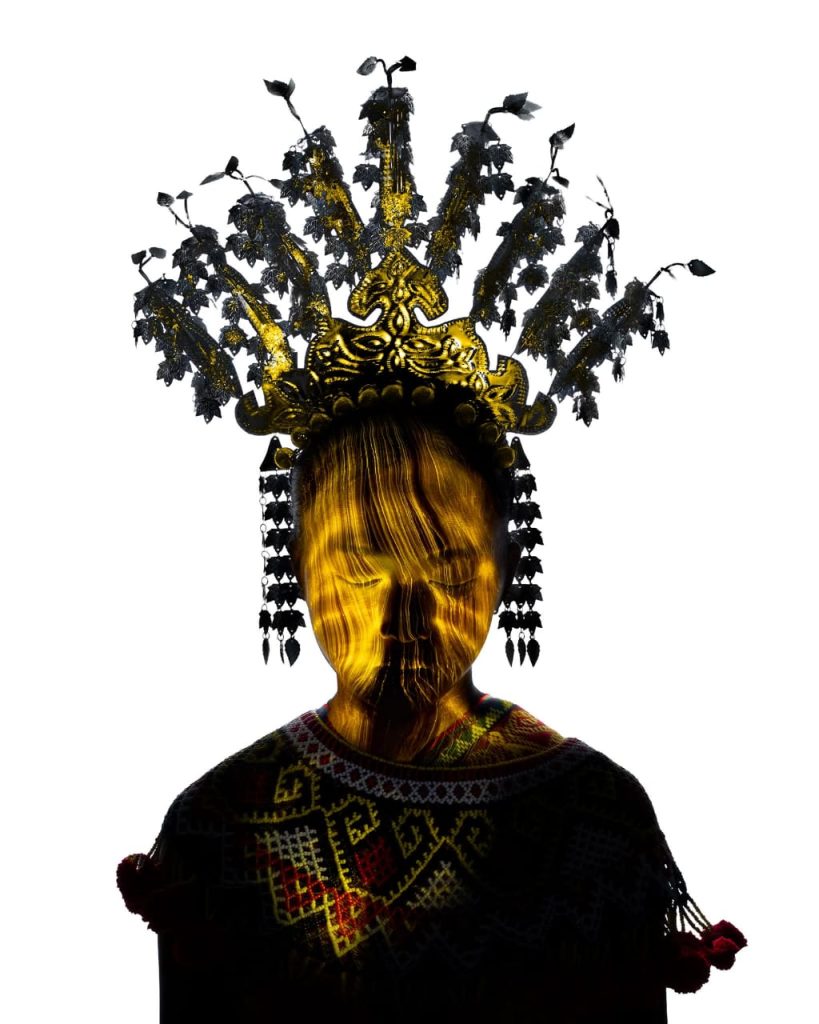
One of the things that has stayed with me most is photographing people in traditional attire while documenting their culture. There is something powerful about photographing someone wearing attire that represents generations of history. You realise you are not simply photographing an outfit or a person. You are documenting identity, heritage and a piece of history that may one day be looked back upon by future generations.
That is one of the reasons I became deeply interested in documenting Sarawak’s different ethnic communities. A photograph can become a small time capsule.
There are photographs I would never delete, not necessarily because they are my most technically perfect images, but because they carry memories that cannot be recreated.
For me, the value of a photograph is not always measured by its artistic quality or commercial value. Sometimes, a simple photograph can become priceless because of the person in it, the place, the moment or the story attached to it.
Once a moment has passed, we cannot photograph it again. That is what makes photography so special to me.”
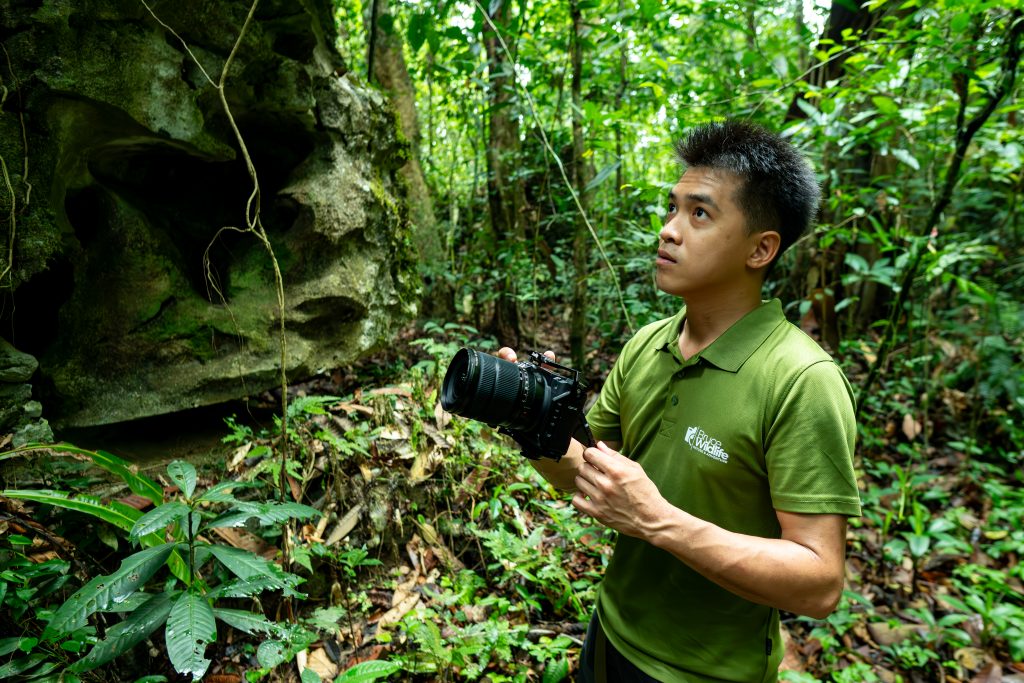
Bruce Teo, wildlife photographer
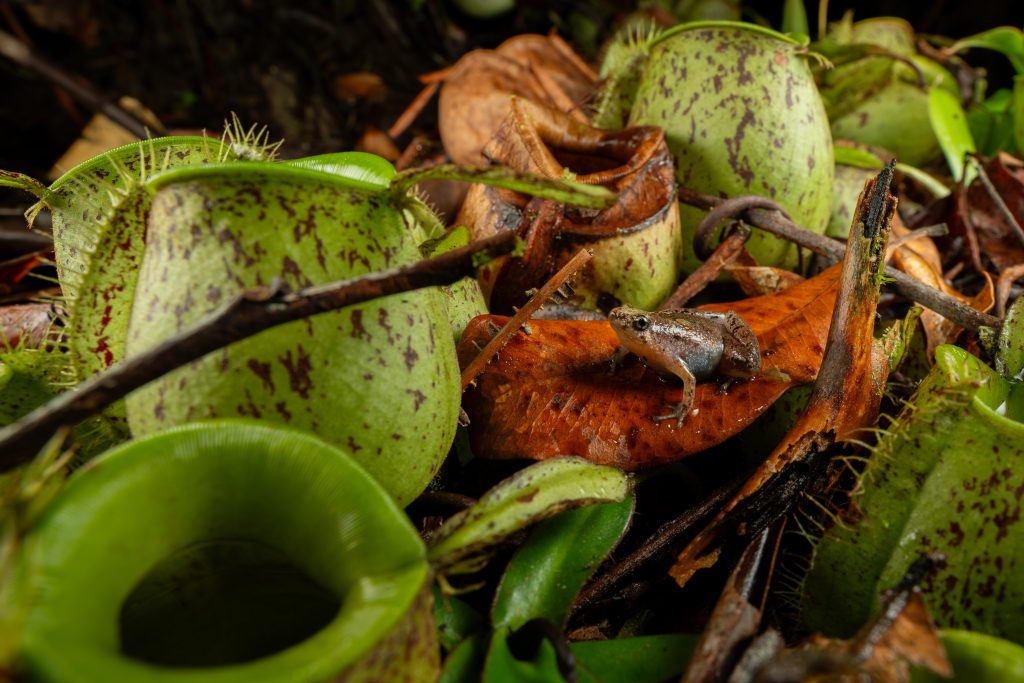
“For me, photography became more than just taking pictures when I photographed the world’s second-smallest frog, the narrow-mouthed frog (Microhyla nepenthicola). What made that photograph special was that it captured not only the tiny frog, but also the entire habitat around it.
That experience made me realise that photography is not simply about taking a good photograph. It is about recording the story behind the image and allowing the photograph to speak for itself. Sometimes, I do not even get the chance to take a photograph because certain moments are simply meant to be memories.
After photographing wildlife for years, I have learnt to appreciate the rare encounters – especially species that are seldom seen and, in some cases, species that I may only encounter once.
For me, every click also carries a responsibility to convey a message to the public. Conservation education is always at the heart of my photography. I want people to see the value of what is around us and understand why these species and their habitats are worth protecting.
And yes, there are photographs I would never delete. They capture special moments and memories that are worth keeping.”
Chan Hua Chiang, film photographer
“For me, photography became more than just taking pictures when I began photographing Sarawak’s diverse cultures and communities. Through my lens, I discovered the many ethnic groups, religions, cultures and ways of life that make up Sarawak, all living together in harmony. Photography allowed me to document that diversity and preserve it in a way that words sometimes cannot.
After years of looking through a lens, especially through the experience of film photography, I have learnt to slow down and observe. Film teaches you to be more deliberate. You begin to notice the subtle changes in light, expressions, gestures and fleeting moments that can easily be overlooked.
One moment that has stayed with me was not necessarily a particular photograph, but the first successful black-and-white photograph I took. At the time, black-and-white film was a popular and readily available medium. Seeing the final print for the first time was unforgettable. What I saw in the photograph was different from what my eyes had seen in colour, and that made me appreciate the power of photography.
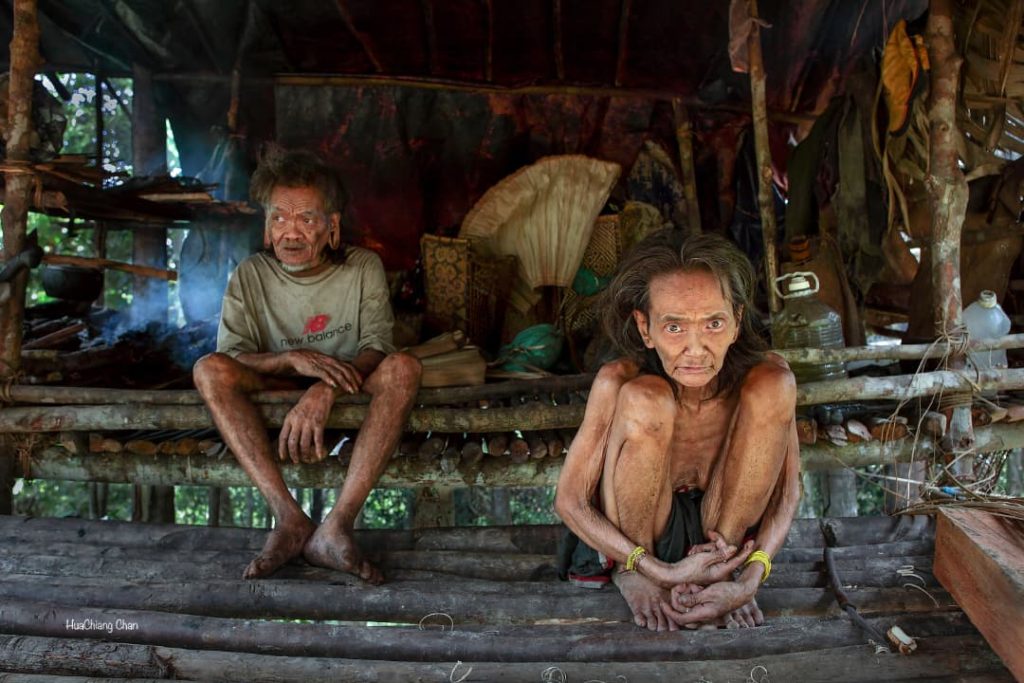
If there is one photograph I would never delete, it is a photograph of an elderly Penan couple living deep in the jungle. They lived on a simple platform made of tree branches, without proper walls or a roof to protect them from the weather, insects or even wild animals.
That photograph has stayed with me. It reminded me of how fortunate we are compared to them, and how photography can sometimes open our eyes to realities and ways of life that we might otherwise never see.”
Mark Leong, sports photographer
“Photography became more than just taking pictures for me when I took my first photograph of Johan Ghazali. He was 17 at the time and had just signed his ONE Championship contract.
Before the shoot, I reminded myself not to photograph him like a superstar. I wanted to photograph him like someone I was getting to know. That experience made me realise photography was not about capturing the rising star everyone else was photographing. It was about being allowed close enough to keep seeing the person behind the rising star.
After years behind the lens, I notice the person more than the action. Anyone can see a punch land or a winning moment. What is harder to capture is the flicker of doubt, the exhaustion, the focus, or that split second when someone stops performing and simply is.
One photograph that has stayed with me is Johan after his recent loss, back in the lockers. The fight went to a decision, and the decision did not go his way. I was there when the decision was announced and it sank in.
You could see all of it in his face. He wasn’t putting on an act for the camera. Away from the crowd, there was nowhere left to hide it.
I almost didn’t take the photograph because it felt like I was intruding on something private. But that frame has stayed with me more than any win I have ever photographed.
Anyone can photograph a champion with his hand raised. Almost no one gets to see the other version – the honest moment immediately after everything he worked for slipped away. For me, that was the truest thing I have ever captured.
If there is one thing I would tell people about photography, it is that the technical side – settings, lenses and lighting – can be learned. What takes years is learning to care about what is in front of you.
My favourite photograph is one of my sister and me in our strollers, with our mum and dad behind us, taken years before I ever picked up a camera.
Everything I do now is about holding on to memories – fighters, fight nights and moments that disappear the second they happen. Yet the photograph that means the most to me is a simple family snapshot that I had nothing to do with.
Nobody was trying to make art. It was just a quick photograph of us. But because that photograph exists, that whole day still exists.
That’s what photography is really for. Not the camera, not the skill – just making sure the people you love don’t disappear.
I understood that from this picture long before I ever understood it through a lens.