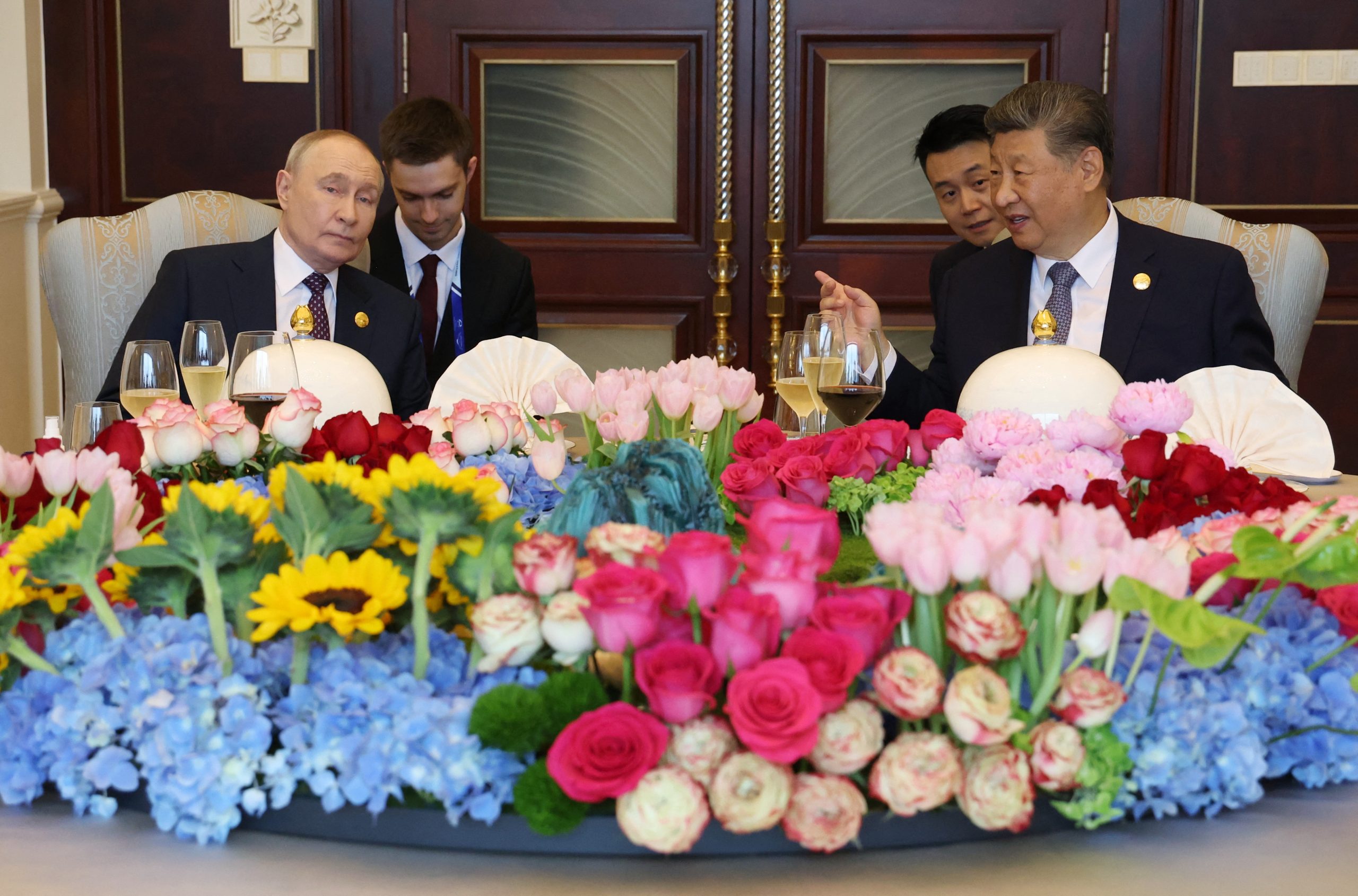
SHENZHEN (China): Chinese President Xi Jinping and Russian counterpart Vladimir Putin began talks in Shenzhen yesterday ahead of a historic three-way summit with US President Donald Trump, amid concerns over the future of Ukraine and global power relations.
Today’s meeting is expected to address major international issues, including the Iran war, nuclear disarmament and strategic stability, although uncertainty remains over whether Ukraine will feature prominently.
The prospect of the three leaders discussing Ukraine without Kyiv or European representatives has raised fears that major powers could seek to reshape global influence through new spheres of influence.
Washington initially indicated that Ukraine was unlikely to be discussed, but Trump later suggested otherwise. Beijing, meanwhile, said the leaders would hold “in-depth exchanges on safeguarding world peace and promoting strategic stability in major-power relations” on the sidelines of the Asia-Pacific Economic Cooperation (APEC) meeting.
Xi and Putin, meeting for the fifth time this year, were also expected to discuss energy, finance and foreign policy, including Ukraine and North Korea.
Addressing the APEC gathering, Putin described the upcoming summit as “highly useful”, calling for unity and dialogue amid rising geopolitical tensions. He also dismissed Western sanctions imposed following Russia’s 2022 invasion of Ukraine, claiming they had failed to undermine his country’s economy.
Xi, meanwhile, called for greater international cooperation on artificial intelligence (AI) and free trade, pledging reforms to expand market access and improve regulatory cooperation.
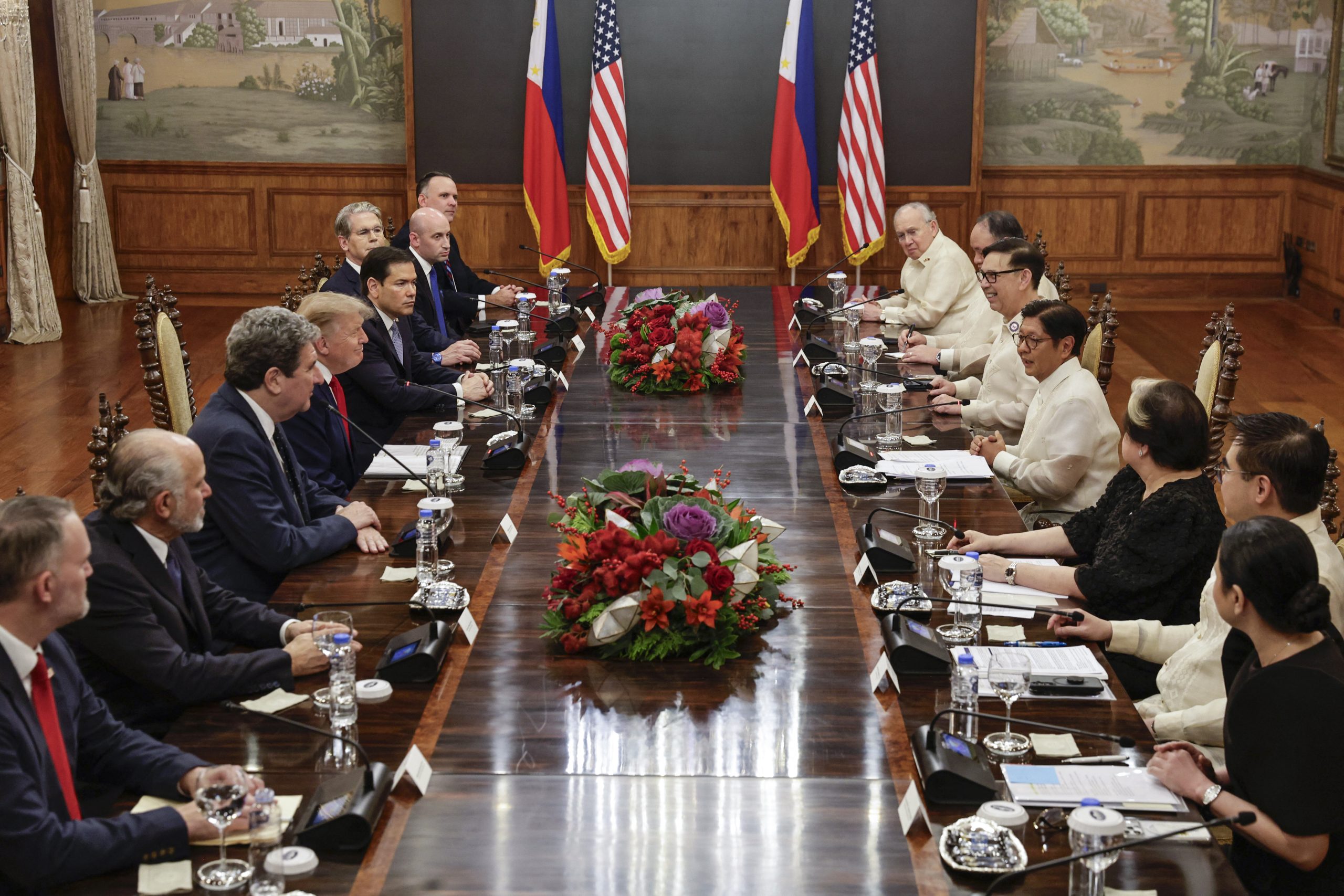
Trump arrived in the region following a visit to the Philippines, where he attended an Association of Southeast Asian Nations (ASEAN) summit and met leaders of the Quad grouping, comprising Australia, Japan, India and the United States.
He also expressed interest in meeting North Korean leader Kim Jong Un in Shenzhen, although US Secretary of State Marco Rubio stopped short of confirming any meeting.
Meanwhile, Trump’s trade policies continued to concern regional economies. China criticised rising protectionism, while Brazil and Canada called for reduced dependence on the US market.
Washington also announced tighter licensing requirements for exports of advanced AI chips to Singapore, Malaysia, Thailand and Indonesia, citing concerns over potential diversion to unauthorised destinations. Singapore said it was exploring ways to ensure trusted access for local companies. – AFP