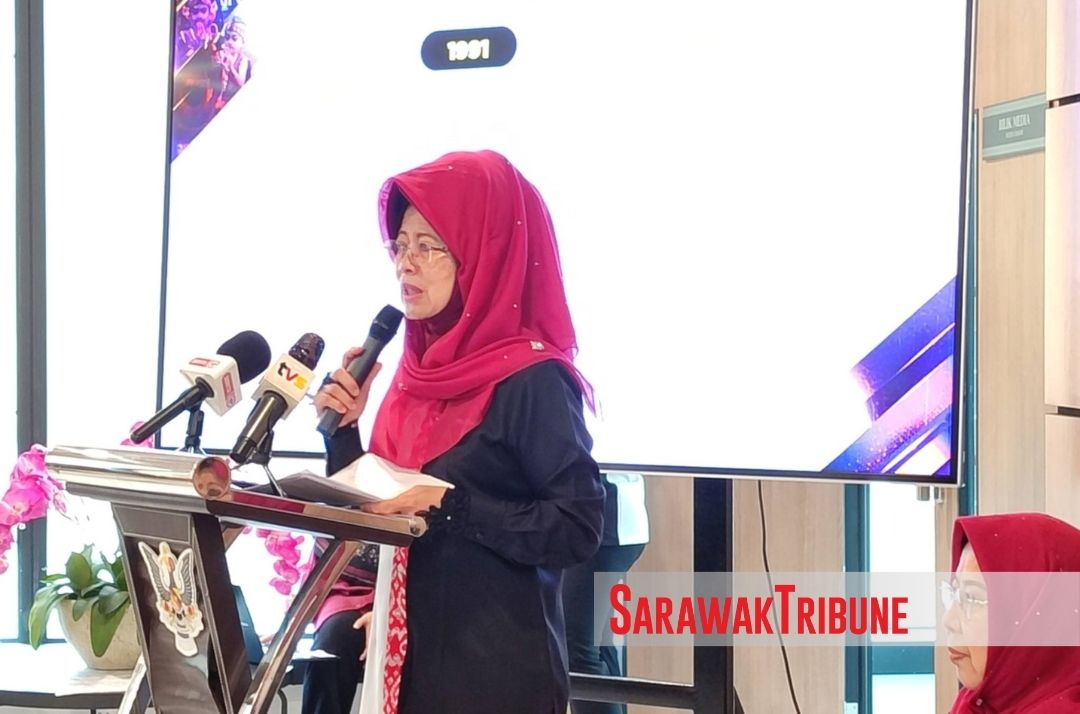
KUCHING: Education should prioritise adjustment and enjoyment rather than immediate academic pressure for six-year-old entering Year One in 2027.
This will bring about a smoother transition into formal schooling with gradual adaptation.
“For Year One education in 2027, children should not be pressured academically at all. This phase should focus more on fun learning as a transition,” said Women, Early Childhood and Community Well-being Development Minister Datuk Seri Fatimah Abdullah.
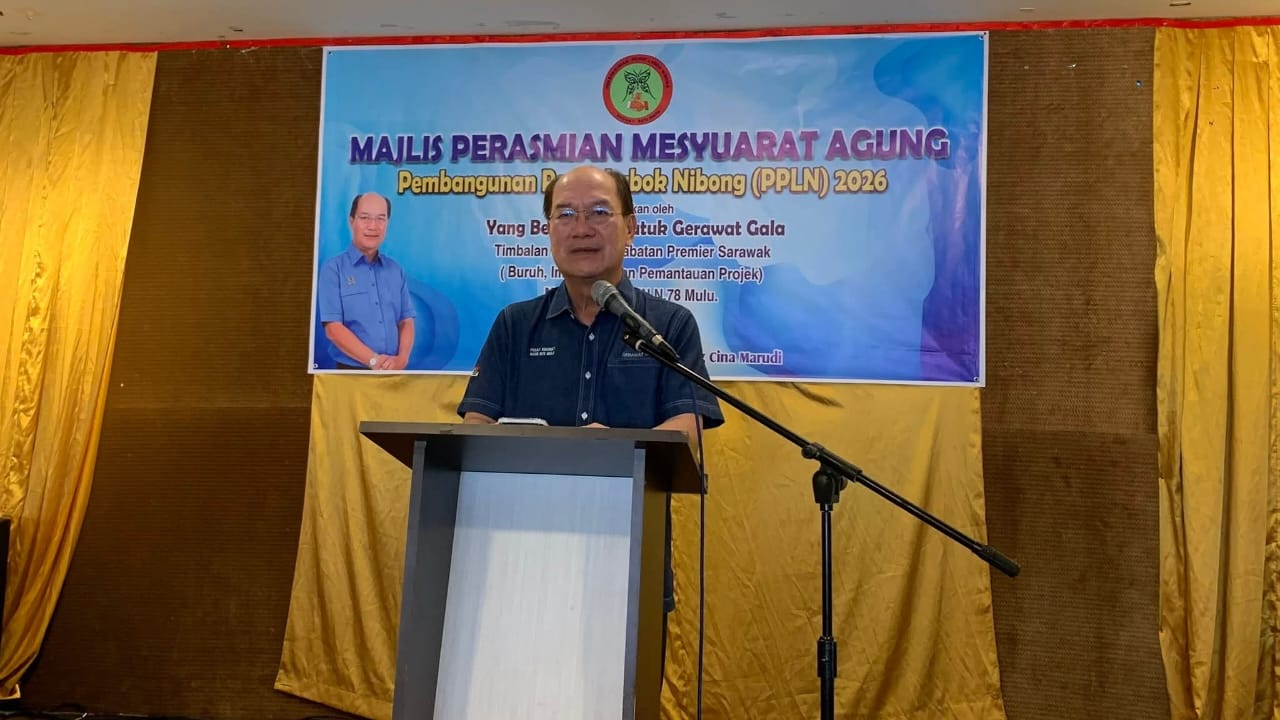
She said this at the TOY8 Training of Trainers (TOT) Certificate Presentation Ceremony here Wednesday (Jan 21).
Fatimah said preschool education emphasises enjoyable learning experiences and that this philosophy should continue into Year One instead of shifting abruptly to formal, desk-based academic instruction.
“Young learners should not be confined to long classroom hours immediately, but rather introduced gradually to structured routines to prevent emotional and cognitive overload.
“At six, children are still developing socially, emotionally, and cognitively, making a flexible, child-centred approach essential to sustain their interest in formal education,”she said.
She highlighted that many developed countries already begin Year One education at six, supported by strong school readiness frameworks in early childhood education.
“School readiness includes preparation for structured schedules, classroom behaviour, social interaction, and emotional resilience, not solely academic mastery.
“Entering primary school can be overwhelming due to larger student populations compared to preschools, especially for children unprepared for sudden environmental changes,
“While many children adapt well, some still experience anxiety or distress on their first school days, indicating varied readiness levels even among preschool graduates,”she said.
Recognising these differences, she stressed that teachers must understand that children develop at different paces, even if they share the same age or birthdate.
She proposed that preschool progress records be shared with Year One teachers to help identify children who may need additional emotional or learning support.
“Such records would include developmental progress, personality traits, and special educational needs, enabling teachers to provide targeted assistance during the transition.
“Children who are not school-ready, including those with autism or dyslexia, should receive patience, understanding, and structured support rather than discipline or pressure,”she said.
She added that education must remain child-centred, acknowledging individual developmental differences while ensuring a welcoming school culture for all new learners.
“This approach reflects a caring education system that values holistic development, ensuring every child feels safe, confident, and motivated to learn from the very beginning,”she said.