KUCHING: Young Sarawakians have been encouraged to consider aerospace engineering as a future-oriented field offering strong career prospects, as Sarawak accelerates its transition towards high-technology and innovation-based industries.
With aerospace emerging as a strategic sector under the state’s long-term development agenda, demand is expected to rise for skilled professionals in areas such as aircraft maintenance, avionics, unmanned aerial systems, satellite applications, and aerospace research.
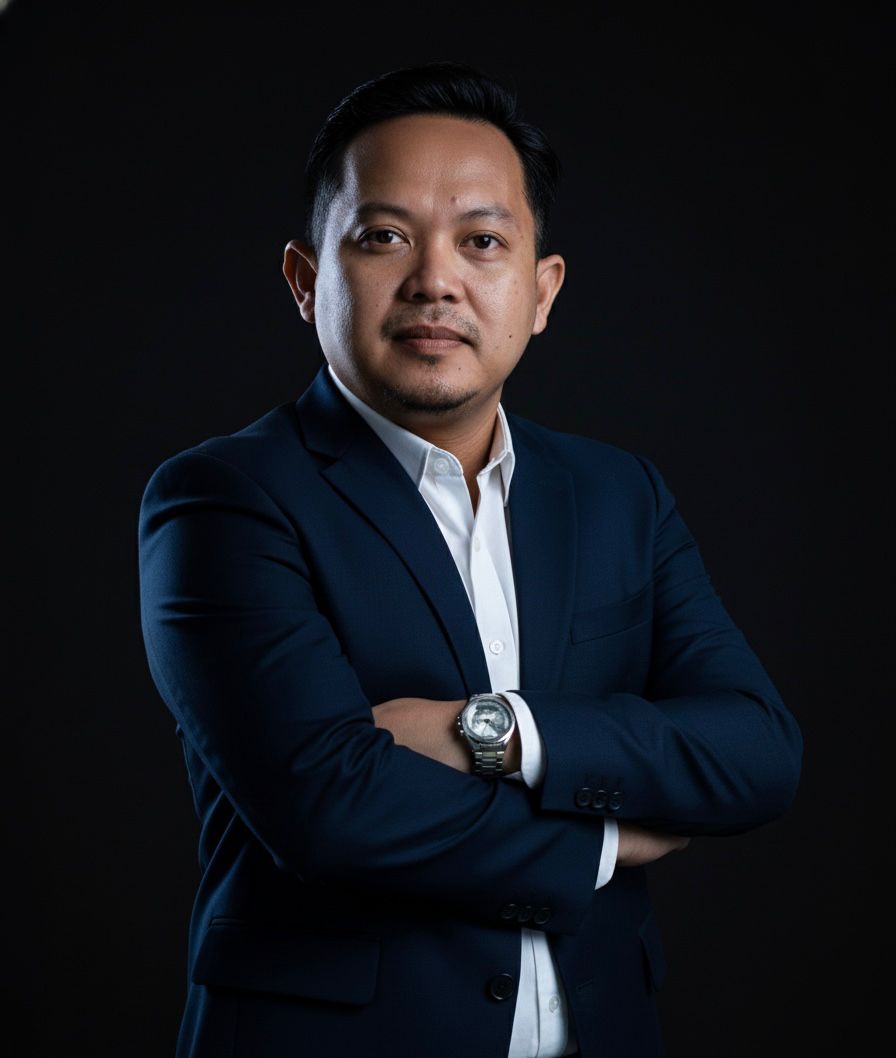
Deputy Dean of the Faculty of Aerospace Engineering at i-CATS University College, Abdul Qaiyum Alidin, said aerospace engineering offers diverse career pathways both locally and internationally, spanning aviation, space technology, defence, advanced manufacturing, and emerging green mobility sectors.
“Sarawak is positioning itself for a technology-driven future. Aerospace engineering is no longer a distant or niche field. It is becoming an integral part of how economies grow, connect, and innovate,” he added.
“Young people should take advantage of local institutions that now offer aerospace-related programmes, as these provide direct pathways into Sarawak’s expanding high-technology ecosystem.”
According to Abdul Qaiyum, i-CATS University College established its Faculty of Aerospace Engineering as a strategic response to Sarawak’s growing need for high-skilled talent, particularly in advanced engineering and aerospace-related fields.
The faculty aims to produce industry-ready graduates who can support Sarawak’s broader development agenda, which places strong emphasis on innovation, sustainability, and high-value industries.
“With aerospace identified as an emerging sector in Sarawak’s economic transformation plans, this initiative helps strengthen our local talent base and reduces long-term reliance on external expertise,” Abdul Qaiyum said.
He added that the faculty is focused on advancing aerospace science and technology through a combination of academic excellence, applied research, and real-world industry exposure.
The Bachelor of Aerospace Engineering with Honours programme, he explained, is designed with a broad and flexible curriculum, covering core areas such as aerodynamics, propulsion, flight mechanics, and aerospace structures, while also introducing specialised topics, including satellite technology, systems integration, flight control systems, and engineering ethics.
“Our approach is to combine strong theoretical foundations with hands-on learning, so that graduates are not only academically strong but also industry-ready,” he added.
Graduates, he noted, will be equipped to contribute to a wide range of aerospace-related activities in Sarawak, including maintenance and design engineering, drone technology, satellite applications, aviation services, and emerging space-related industries.
Abdul Qaiyum also stressed that industry collaboration is a key pillar of the faculty’s development, with plans to work closely with aerospace companies, government agencies, and technology partners to provide students with industrial training, applied research opportunities, and real-world exposure.
“This is not just about education. It is about building an ecosystem where learning, industry, and innovation move together,” he said.
He believes the initiative will not only create new educational pathways for Sarawakian youth but also contribute to positioning the state as a regional centre for aerospace education and technology in Borneo.
The first intake of students for the aerospace engineering programme began in August last year, marking a milestone in Sarawak’s efforts to build a future-ready, high-skilled workforce.
The next intake is scheduled for March, with applications now open and the faculty is targeting 30 to 60 new students for this year intake.
Abdul Qaiyum noted that aerospace engineering graduates are highly versatile and in demand across multiple sectors in Malaysia and internationally.
Career pathways include roles such as aerospace design engineer, propulsion systems engineer, aerodynamics specialist, satellite systems engineer, flight test engineer, systems integration engineer, research and development engineer, and aerospace project manager.
“At this stage, our programmes are also aligned with Sarawak’s immediate needs, particularly in developing local capabilities in aircraft maintenance and aviation services,” Abdul Qaiyum said.
“For aircraft and airports to operate sustainably, we need skilled technicians, engineers, pilots, and aviation professionals. In that sense, we are supporting the state’s long-term goals by building this talent pipeline locally.”