KUCHING: The Ministry of Economy fully supports the efforts of the Sarawak government through SEDC Energy, a subsidiary of Sarawak Economic Development Corporation, in the development of the Sarawak Hydrogen Hub.
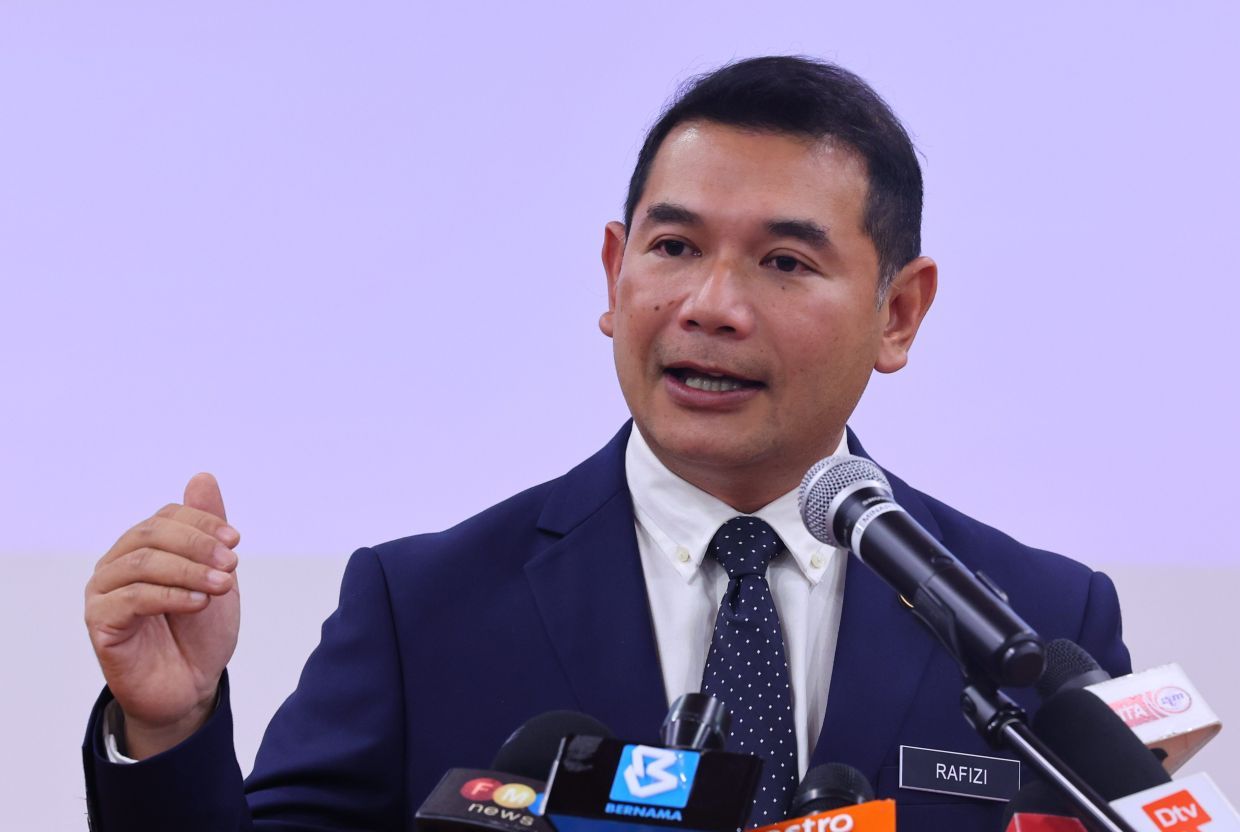
Its minister Rafizi Ramli said hydrogen energy is one of the renewable energy components that Malaysia is exploring through the National Energy Transition Roadmap (NETR).
He said increasing renewable energy capacity (TBB) is one of the 17 major shifts in the Mid-Term Review of the 12th Malaysia Plan which focuses on high growth high value (HGHV) industries based on energy transition.
“The implementation of three integrated projects in Sarawak, including a green hydrogen production plant in Kuching (domestic use) and two plants in Bintulu (export use) will involve large-scale green hydrogen production.
“These projects are expected to drive Sarawak as a regional green hydrogen hub by 2027 in addition to creating new hydrogen-based industries such as the manufacture of electrolysers, fuel cells and green chemical industries,” said Rafizi in a statement posted on his Facebook, yesterday (Sept 12).
He said the Economy Ministry supports the efforts of the state government through SEDC Energy, which will work with its strategic partners to realise the goal of becoming a regional leader in green hydrogen.
According to previous media reports, the two hydrogen manufacturing projects in Bintulu, namely H2biscus and H2ornbill are expected to begin operations in 2027.
SEDC Energy is collaborating with Japan’s Sumitomo Corp and Eneos on the H2ornbill project, which will involve large-scale production of green hydrogen.
SEDC Energy is also in a tie-up with three South Korean multinationals, namely Samsung Engineering, Posco and Lotte Chemicals, to develop a green hydrogen derivative facility.
The three companies will take an active role in developing the entire cycle of the H2biscus project, which includes direct investment, construction, transportation and utilisation.
The H2biscus project is expected to produce 7,000 tonnes per year of green hydrogen for Sarawak’s domestic use; 600,000 tonnes per year of blue ammonia; 630,000 tonnes per year of green ammonia and 460,000 tonnes per year of green methanol for export.