SINGAPORE: The Kuching Urban Transportation System (KUTS), Southeast Asia’s first hydrogen-powered Autonomous Rapid Transit (ART) is using artificial intelligence (AI) to enhance efficiency and sustainability.
Premier Datuk Patinggi Tan Sri Abang Johari Tun Openg said the AI is used to optimise routes, monitor operations, and enhance maintenance for cleaner, more efficient mobility.
“Our Sarawak Digital Economy Blueprint 2030 promotes AI, Internet of Things (IoT), and Big Data to improve energy use, waste management, and urban planning, strengthening economic growth and connectivity.
“As we modernise our cities, we must also safeguard our natural environment to ensure long-term sustainability,” he said.
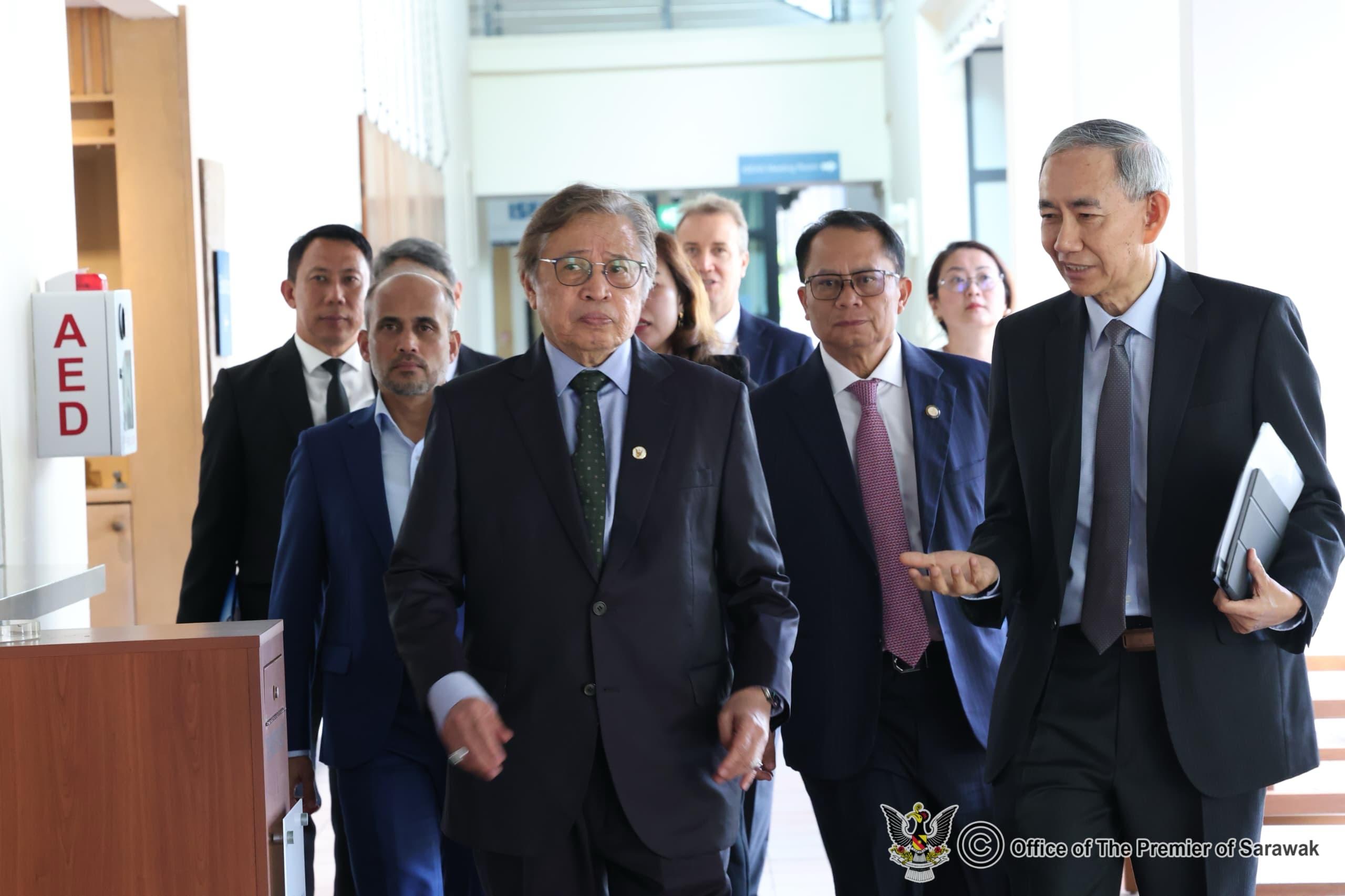
He said this when delivering a public lecture at the ISEAS-Yusof Ishak Institute here today.
Abang Johari, who is also Finance and New Economy Minster, added Sarawak’s journey for sustainable growth extends to urban development and digital transformation, creating efficient, connected, and green cities.
“Our forests play a vital role in carbon sequestration, with 62 per cent of Sarawak’s land under forest cover. Expanding this capacity remains a priority, alongside strict conservation policies and the elimination of unsustainable logging,” he said.
Complementing large-scale reforestation, he said Sarawak is enhancing climate resilience through nature-based solutions like mangrove restoration, peatland conservation, and ecosystem rehabilitation.
Such efforts strengthen carbon sequestration while ensuring urban growth aligns with environmental protection, he added.
“By integrating smart urban planning with conservation, Sarawak ensures development supports, rather than harms, its natural heritage,” he said.
To further Sarawak’s climate action, he said the state is establishing the Sarawak Climate Change Centre as a regional hub for research, policy development, and collaboration where it focus on adaptation, mitigation, carbon management, disaster risk assessment, and renewable energy while serving as a platform for climate modelling, capacity building, and global knowledge exchange.
“Meanwhile, governance and accountability are essential to sustaining these efforts. Sarawak has announced plans to introduce Public Sustainability Reporting to enhance corporate responsibility and align with global Environmental, social and governance (ESG) standards.
“Once fully implemented, this framework will strengthen investor confidence, promote responsible business practices, and solidify Sarawak’s role as a leader in sustainability governance, contributing to Asean’s green economy and long-term resilience,” he said.