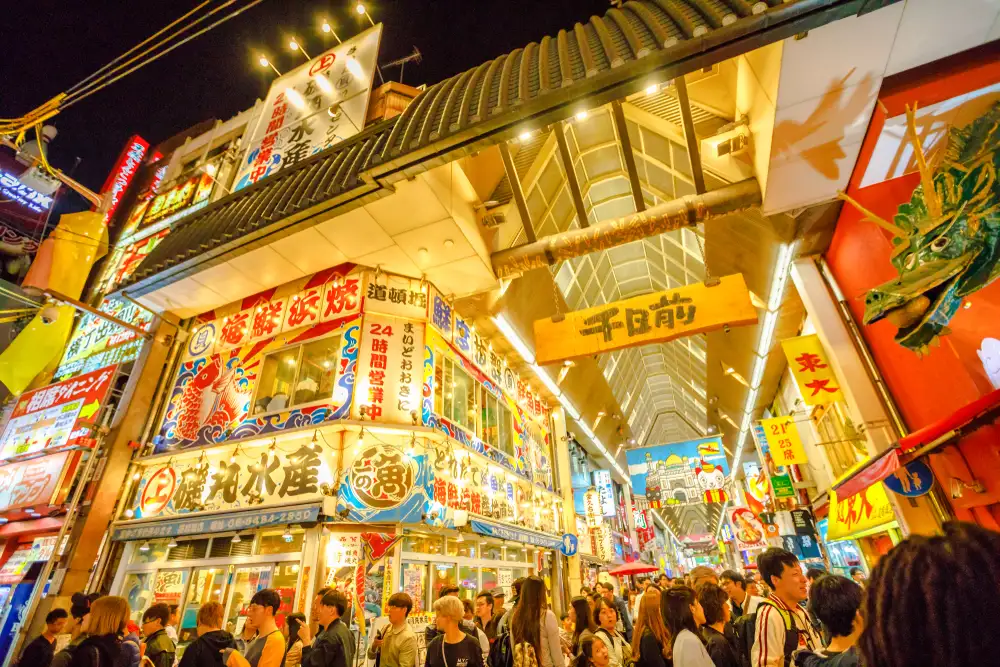
TOKYO: Japan’s iconic “Golden Week” holiday began in full swing yesterday, but surging hotel rates and inflation have dampened domestic travel enthusiasm.
The break, which includes three consecutive public holidays, is typically one of the longest for Japanese workers — a chance to travel within the country or abroad. This year, however, many are staying put.
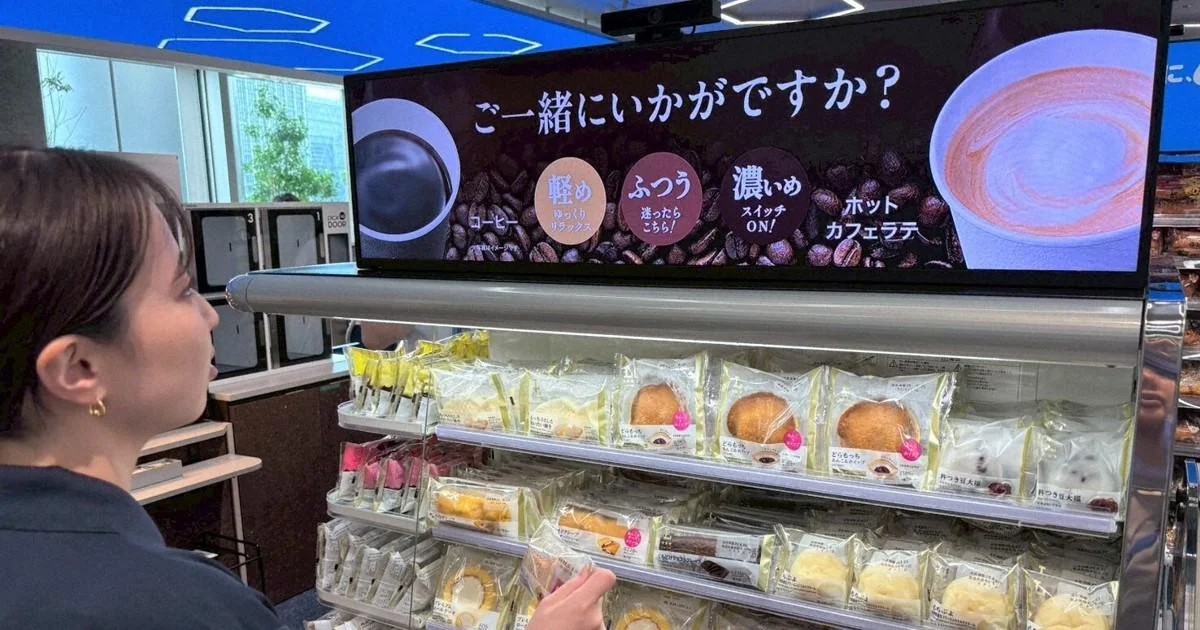
Prices for everyday items like rice, cabbage, and utilities have soared, while the weakened yen — down roughly a third since 2022 — has made Japan an even bigger draw for foreign tourists, pushing hotel demand and room rates sharply higher.
According to the Nikkei, hotel prices in Japan’s five major cities are up 16 per cent compared to last year’s Golden Week.
“Inflation is curbing locals’ willingness to splurge,” said Atsushi Tanaka, tourism professor at Yamanashi University. “With strong inbound demand, hotels see no need to lower prices — making it harder for locals to travel.”
A JTB survey found just 20.9 per cent of respondents plan to travel during the holiday, down 5.6 percentage points from 2023. Another study by Intage showed a similar drop in domestic travel intentions to 13.6 per cent, citing financial burdens and crowd fatigue as key deterrents.
Travel abroad, once a Golden Week staple, now borders on “unattainable luxury,” Intage said. Still, average spending per outing rose from US$192 to US$201 — a sign, analysts say, of resigned acceptance to higher costs. “They know it’s just going to cost more to do anything,” said Intage’s Motohiro Shimogawara.
Tourist arrivals in Japan hit 36.8 million in 2024, surpassing the pre-pandemic record of 32 million. The government aims to nearly double that to 60 million by 2030. Yet, as in other global tourist hotspots like Venice, locals are pushing back.
Communities from Kyoto to the base of Mount Fuji have raised concerns over overcrowding, traffic, and tourist misbehaviour, adding another layer of tension to Japan’s golden season. – AFP