THE enhanced provisions under Section 32A and the new Section 32AA of the Land Code (Amendment) Bill 2025 strengthen the states’ ability to regulate the extraction, possession and especially the cross-border transportation of rock material.
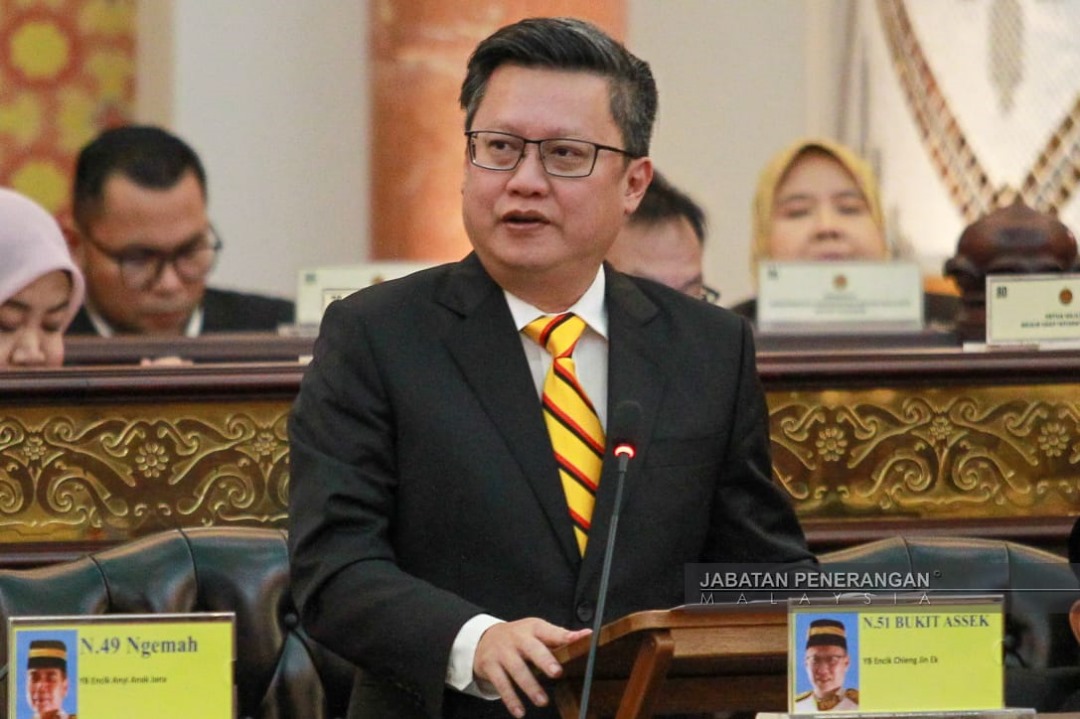
Bukit Assek assemblyman Chieng Jin Ek said these updates are timely and necessary to ensure that Sarawak does not become a passive exporter of raw resources without proper oversight or revenue safeguards.
“These new rules will prevent illegal extraction, protect our environment and ensure fair revenue collection for the state,” he said.

He said this when debating on the bill at the Sarawak Legislative Assembly (DUN) sitting here today.
Chieng said the amendments to Sections 227-234 of the bill including the introduction of utility surveys, clearer definitions of planning documents, and extended approval periods, reflect a sincere attempt to streamline and digitize land development processes.
“This will reduce bureaucracy, improve investor confidence, and align our land planning framework with the demands of a fast evolving economy.
“The addition of Section 171A, which introduces the recognition of wakaf, or land endowment for religious and charitable purposes, is a meaningful reform. For the first time, the Land Code will provide clear legal standing for lands set aside not only by Sarawak Islamic Council (MIS) but also by individual landowners who wish to dedicate land for religious or charitable causes.
“Importantly, this provision does not limit itself to Islamic wakaf alone. It extends protection to similar forms of endowment by other religious communities, provided they are regulated by their own governing laws. This reflects Sarawak’s inclusive and pluralistic values, where different faiths are treated with respect, and their contributions to society are recognized equally under the law,” he added.
While he fully supported the bill, Chieng also wished to raise one important cautionary point for the collective consideration.
“With increased penalties and broader enforcement powers, including presumptions of guilt and heavy fines, we must ensure that small landholders and rural communities are not unjustly penalized.
“Enforcement mechanisms must be fair, transparent, and accompanied by proper awareness and education.
“We should not allow overzealous enforcement to result in unintended consequences, particularly for those who may unknowingly be in breach of new regulations,” he said.